Vietnam’s battery energy storage market is gaining momentum, driven by a combination of rising electricity demand, increasing renewable energy penetration, regional supply-demand imbalances, and supportive government policies. According to InfoLink, emerging markets outside China, the U.S., and Europe are expected to account for a growing share of global newly installed energy storage capacity, rising from around 7% in 2024 to approximately 18% by 2026. Southeast Asian countries, including Indonesia, Malaysia, Thailand, Vietnam, and the Philippines, are entering a phase of accelerated energy storage adoption. Among these, Vietnam faces particularly acute challenges in balancing its power system, creating a strong foundation for the domestic electrochemical energy storage market.
Vietnam’s electricity demand is rising rapidly, fueled by economic growth, industrial expansion, and urbanization. The World Bank projects that Vietnam’s GDP growth in 2025 will remain around 6%, supported by strong performance in the industrial and export sectors. The Ministry of Industry and Trade forecasts a 13.5% year-on-year increase in electricity consumption, with the industrial sector accounting for roughly 72% of total demand. Growing manufacturing investments, expanding urban populations, and higher household consumption are placing pressure on the country’s power-generation structure and grid flexibility, creating clear demand for energy storage solutions.
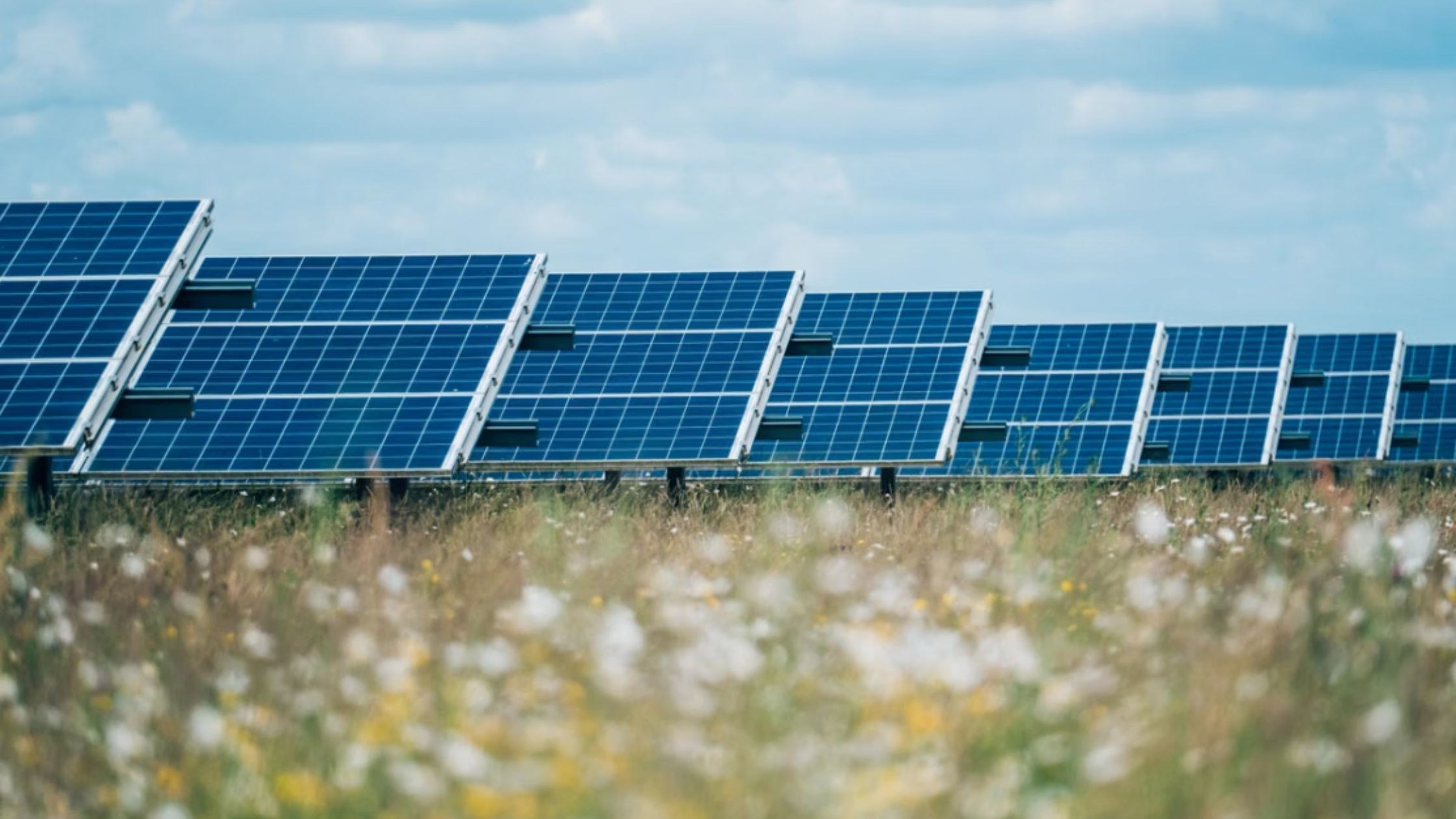
At the same time, renewable energy capacity in Vietnam is growing faster than conventional generation. Under the Power Development Plan VIII and its revisions, solar and wind power are expected to account for 25%–31% and 14%–16% of installed capacity by 2030, while thermal power gradually declines. In 2025, renewable energy is projected to contribute 38% of power generation, with solar rising to 25% and wind to 10%. This increasing share of renewables introduces volatility in the power system, particularly during periods of strong solar irradiation and high wind speeds, creating a need for energy storage to support peak regulation, grid integration, and power absorption.
Vietnam’s north–south power imbalance further boosts energy storage demand. The southern regions host abundant solar and wind projects, while the north contains major industrial and population centers. Limited transmission infrastructure and localized grid weaknesses result in renewable curtailment in the south and supply shortages in the north. Hydropower output in the north is also lower during the dry season, exacerbating supply-demand gaps. Energy storage can help smooth renewable output in the south and provide peak-shaving support in the north, reducing pressure on coal- and gas-fired generation.
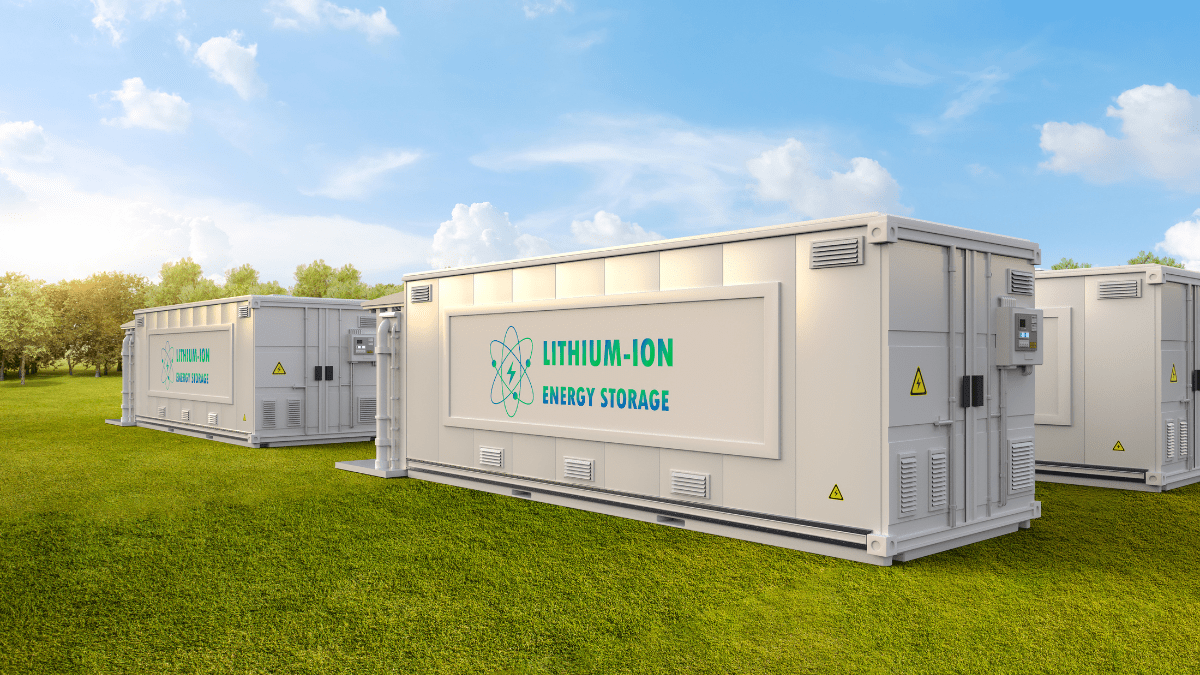
Government policy supports this trend, with targets for 10–16.3 GW of electrochemical energy storage by 2030 and nearly 96 GW by 2050. Vietnam Electricity has outlined plans for grid-scale and distribution-level BESS projects, with 1.2 GW targeted for commissioning by 2026. Tariff incentives for solar projects combined with storage provide a 10%–15% price premium, encouraging investment in PV-plus-storage systems. Broader investment incentives, including tax breaks and land support, also exist, though standalone and utility-scale storage remains constrained by unclear revenue structures and immature market mechanisms.
On the supply side, international and Chinese companies are establishing manufacturing and technology hubs in Vietnam. Fluence Energy and South Korea’s ACE Engineering launched a 35 GWh/year BESS facility, while Chinese firms, including Tianneng, Goldwind, and Gotion High-tech, are expanding local production and integrating into regional supply chains. This has positioned Vietnam as a regional hub for energy storage manufacturing, even as project deployment is still cautious.
Overall, Vietnam’s energy storage market is emerging rather than booming, with growth driven by long-term structural demand, policy support, and rising renewable energy integration. Near-term opportunities focus on PV-plus-storage projects and EVN-led pilots, while future expansion will depend on electricity market reforms, pricing mechanisms, and replicable business models. For companies with battery and ESS expertise, Vietnam presents a timely opportunity to establish a strategic presence in Southeast Asia’s evolving energy transition.
Subscribe to get the latest posts sent to your email.