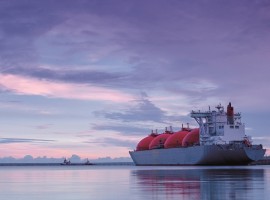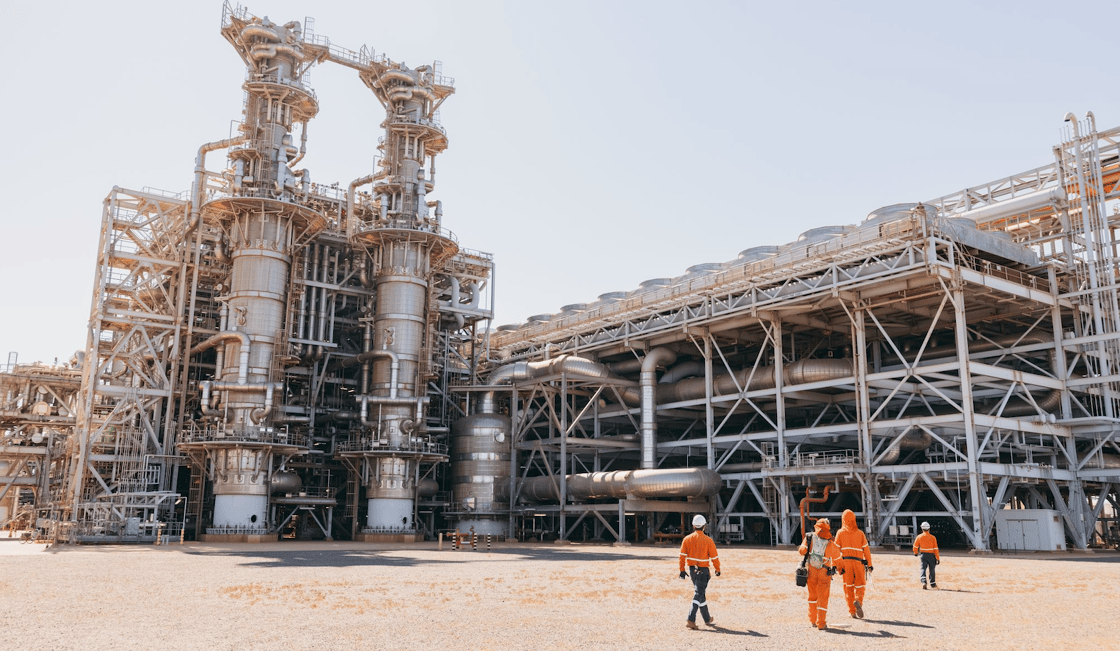
An LNG tanker has loaded fuel from a sanctioned Russian export project on the Baltic Sea, vessel-tracking data showed on Monday, as Russia and China are boosting their mutually beneficial LNG trade unfazed by the Western sanctions.
The Kunpeng tanker, which is not blacklisted, has loaded LNG from Portovaya, a small export plant on the Baltic Sea run by Russia’s gas giant Gazprom, and departed with the cargo on December 21, according to ship-tracking data from analytics firm Kpler and from LSEG cited by Reuters.
Portovaya, Gazprom’s only LNG export facility, and its Russia-based operator, Gazprom SPG Portovaya Limited Liability Company, were sanctioned by the United States in January 2025 in one of the last actions of the Biden Administration in a barrage of sanctions to “degrade Russia’s energy sector.”
Last week, Bloomberg reported that the Kunpeng is now linked with companies in China and the Marshall Islands and docked at Portovaya for the first time a China-linked tanker has been sent to ship LNG from the export facility sanctioned by the United States.
Earlier this month, China received the first shipment from Portovaya on a U.S.-blacklisted vessel, as Russia and China continue to flaunt Western sanctions on their LNG trade.
Russia has been stepping up efforts to sell its sanctioned LNG supply in China in recent months.
Clear evidence of these efforts is the rising exports from Russia’s Arctic LNG 2 project to China in defiance of U.S., UK, and EU sanctions on the project and tankers serving its exports.
China is estimated to have received more than a dozen LNG cargoes from Arctic LNG 2 this year.
The increased shipments from Portovaya come as thick ice hinders LNG exports from the Arctic project.
Russian liquefied natural gas exports to China broke a record set earlier this year, overtaking Australian shipments in November, according to customs data cited by Bloomberg. The data showed that Russian LNG flows to China in November rose more than twofold from a year earlier to reach 1.6 million tons, making the country China’s second-largest LNG seller after Qatar.
By Charles Kennedy for Oilprice.com
More Top Reads From Oilprice.com
- Adani Explores Nuclear Power Foray With 16 GW Small Reactor Project
- Putin Lashes Out as EU Agrees to Loan $105 Billion to Ukraine
- Iraqi Crude Can’t Replace Venezuelan Oil in the U.S. Market