By
6 min ago 2 min read
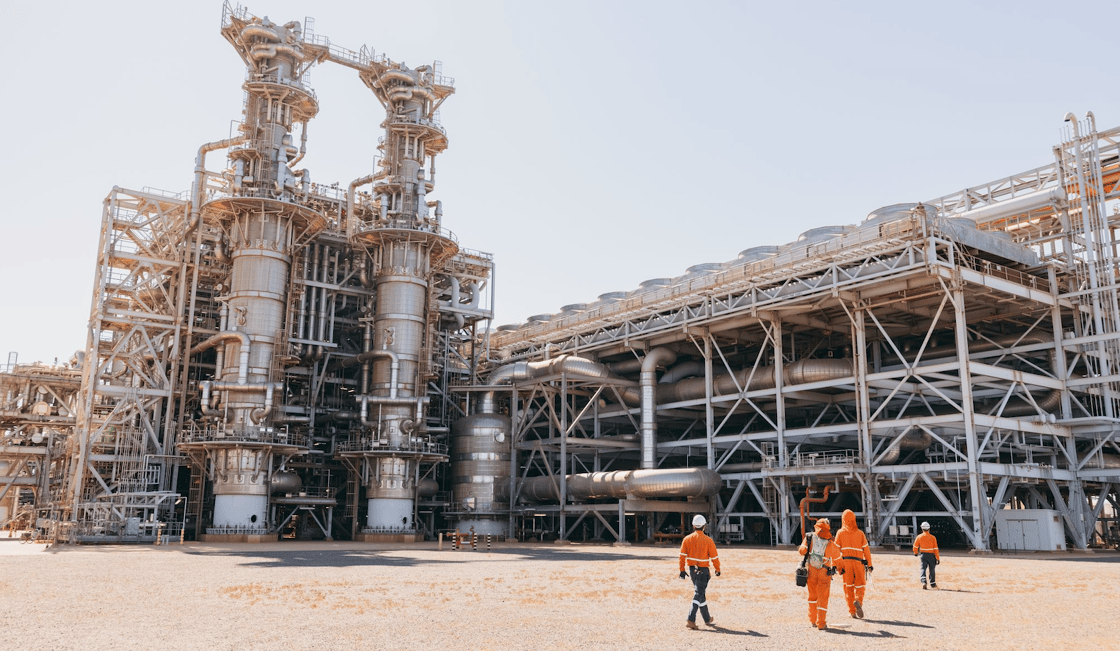
Woodside Energy has announed the third and final module for Pluto LNG’s train 1 modifications project has arrived in Karratha, Western Australia.
Standing 10 storeys high and weighing around 4,500 tonnes, it is one of the heaviest modules ever delivered to the Pilbara region.
Woodside said it marks another important step “in preparing Pluto train 1 to process Scarborough gas for our customers.”
The upgrade allows the existing facility near Karratha to handle up to 3 million tonnes per annum (mtpa) of extra gas once the Scarborough field starts production, which is expected to produce up to 8 mtpa for global markets.
Pluto train 1 processes gas from the offshore Pluto and Xena gas fields located in the Carnarvon Basin, roughly 174km north-west of Karratha.
Gas travels via a 180km subsea pipeline from the unmanned Pluto-A offshore platform straight to the onshore facility.
It features a single processing line with a capacity of 4.9 to 5.9 mtpa of LNG, plus domestic pipeline gas export and truck-loading facilities.
The newly built Pluto LNG train 2 is on track for commissioning in Q4 this year and will feature 5 million tonnes capacity.
Australia is one of the world’s largest exporters of LNG, shipping around 80 million tonnes annually from 10 liquefaction facilities.
Rising LNG prices as a result of the Middle East crisis are likely to massively boost Australian LNG export earnings, as happened after Russia’s expanded invasion of Ukraine, when oil and gas sector profits increased from AU$13bn ($9.3bn) in FY2020-21 to AU$62bn ($44.4bn) in FY2022-23.
However its LNG sector faces structural challenges, including east coast supply shortfalls, regulatory interventions such as the draft Domestic Security Obligation framework mandating that exporters supply gas equivalent to 20% of export volumes, and the need for new projects to compete for capital.
“While global LNG demand is projected to rise significantly through 2050, upcoming Australian projects face intense competition and stringent regulatory hurdles to secure final investment decisions,” notes research consultancy Wood Mackenzie.