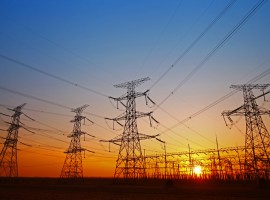
Iraq on Tuesday announced a complete suspension of natural gas imports from Iran, a move the electricity ministry said immediately knocked between 4,000 and 4,500 megawatts off the national power grid.
On its face, the decision sounds dramatic. In practical terms, it is but the final step in a process that was already well underway. Iraqi officials have spent the past year declaring victory over fuel imports, first halting shipments of gasoline, diesel, and kerosene while pitching a broader narrative of energy self-sufficiency. Gas was the remaining—and most politically sensitive—piece of that puzzle.
Iranian supplies had been covering roughly 30 to 40 percent of Iraq’s power generation needs. Of course, those volumes had already been diminishing due to payment disputes, U.S. sanctions pressure, and Iran’s own domestic shortages. The “complete suspension” isn’t the sudden cutoff that it appears. Baghdad is merely taking the next logical step in the breakup with Iran through partial import reductions and unreliable flows.
Washington has been steadily pushing Iraq to unwind its dependence on Tehran, and Baghdad has been eager to show compliance without triggering a full-blown electricity crisis. The fallback plan—burning locally produced alternative fuels—is not new, nor is it ideal. It keeps the lights on at a higher cost and with greater strain on infrastructure, but it buys political breathing room.
More importantly, this announcement fits into a much larger strategic shift. Western-backed energy projects are finally moving from paper to production. BP’s $25 billion, five-field development in Kirkuk is now active, with a heavy emphasis on capturing associated gas that would otherwise be flared. TotalEnergies’ multi-billion-dollar integrated gas project in southern Iraq is designed to feed power plants directly, cutting Iran out of the loop altogether.
None of this means that Iraq has solved its power problem. Summer demand still dwarfs the country’s installed capacity, and gas capture takes time. Still, Baghdad wants to send the appropriate message, to Washington, to Tehran, and to investors, that Iranian gas is no longer a pillar of its energy system. Whether the grid can tolerate that ambition is the real test still ahead.
By Julianne Geiger for Oilprice.com
More Top Reads From Oilprice.com
- Sanctioned Ships Still Loading Venezuelan Oil Despite U.S. Blockade
- U.S. Ready for Partnership in India’s Nuclear Energy Industry
- Sweden’s Vattenfall Seeks State Funding for New Nuclear Reactors