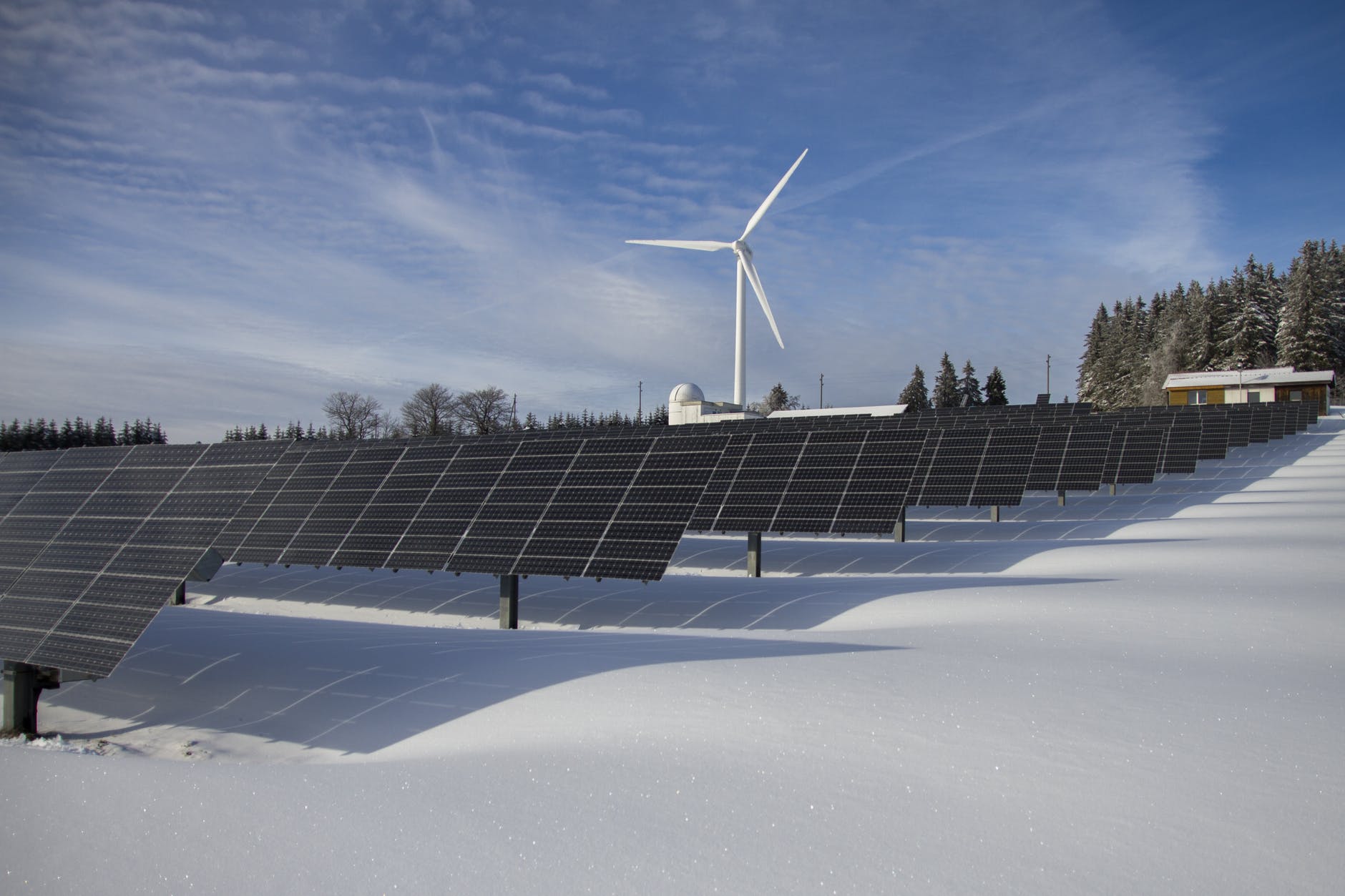
The shift to clean energy in the Asia Pacific region is becoming a strong business decision, not just an environmental goal. Companies are increasingly investing in renewable energy like solar and wind because it now makes financial sense. Over the past decade, the cost of clean energy technologies has fallen sharply. Solar photovoltaic (PV) systems, which convert sunlight into electricity, have become much more affordable. Batteries and energy storage systems have also seen significant price drops due to improvements in technology and production, particularly in countries like Australia and China. These cost reductions are expected to continue, making renewable energy even more competitive in the coming years.
Corporate demand for renewable energy is rising rapidly. Many companies are setting sustainability targets and committing to reducing carbon emissions. Some aim to follow frameworks such as the Science Based Targets initiative (SBTi) or join RE100, a global campaign for companies to source all their electricity from renewable sources. For these firms, using renewable energy is not only an environmental choice but also a financial one. Renewable energy helps companies lock in long-term electricity prices and avoid the volatility of fossil fuel costs.
A popular approach for businesses is corporate power purchase agreements (CPPAs). These long-term contracts allow companies to buy electricity directly from renewable energy producers at fixed prices. CPPAs provide price stability and support sustainability goals while helping businesses manage energy costs. Supportive government policies in several countries are making it easier for companies to adopt these agreements, and demand for renewable energy certificates is growing as businesses look to track and validate their clean energy use.
The growth of renewable energy varies across the region. In countries such as India, Vietnam, and parts of Australia, renewable energy is already cheaper than traditional fossil fuels, allowing companies to save money immediately. In India, switching to renewables can reduce energy costs by up to 50 percent, while in Vietnam, savings range from 15 to 20 percent. Other countries, like Singapore and Japan, face higher costs due to limited land and expensive project development. Despite these challenges, companies in these nations recognize long-term economic benefits, especially because they rely heavily on imported fossil fuels, which can fluctuate in price.
Some emerging markets, including Thailand and Indonesia, are still developing policies and systems to support corporate renewable deals, but progress is underway. The Philippines is also seeing more corporate agreements as renewable installations increase. Governments are working to expand renewable capacity, improve grid infrastructure, and enhance energy storage, ensuring that electricity from solar and wind can be delivered reliably.
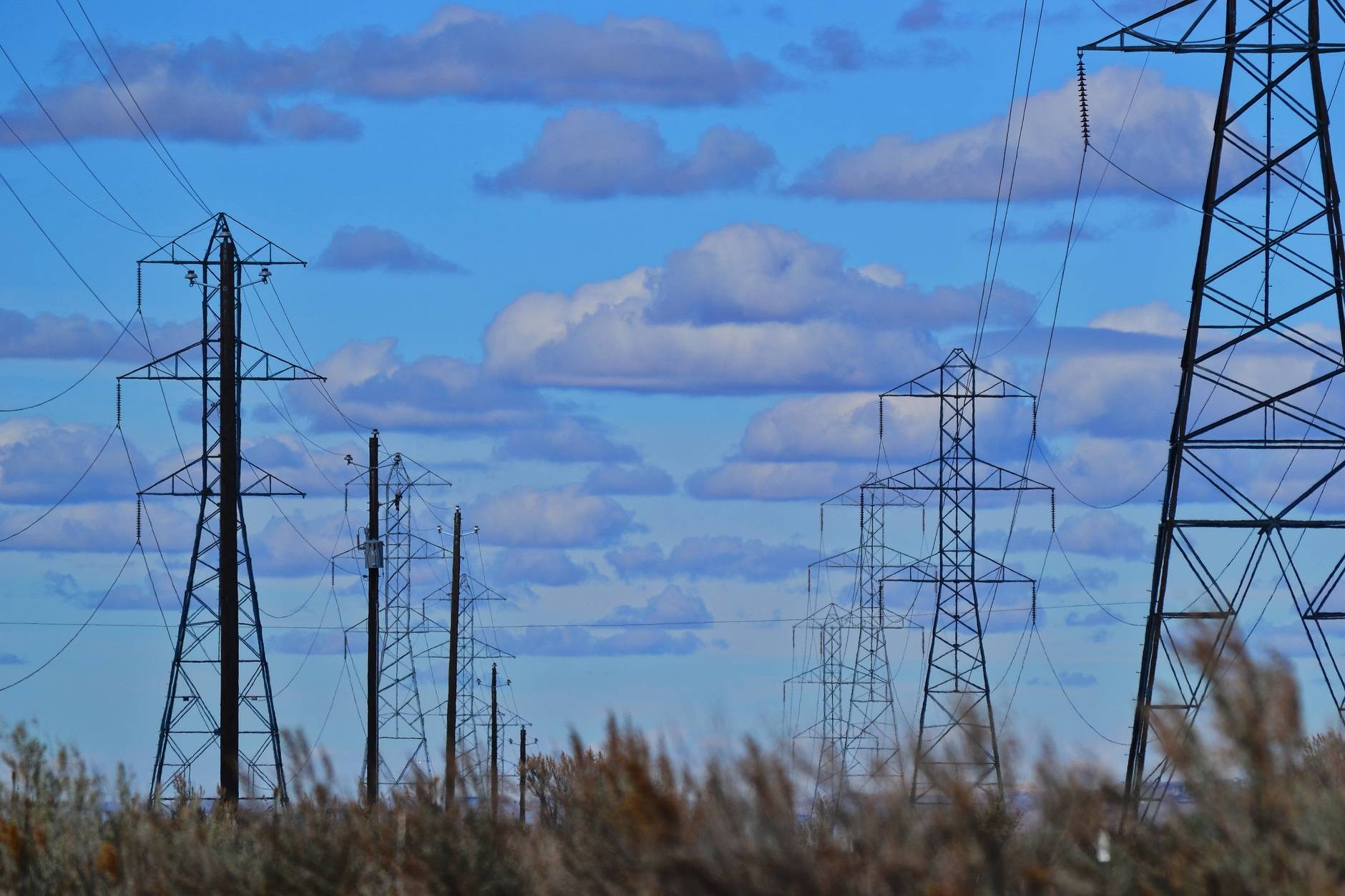
Challenges remain, including regulatory uncertainty, limited market competition, and grids that need upgrading to handle fluctuating renewable energy flows. Experts advise companies to understand local market rules, incentives, and risks before investing. Aligning teams from finance to legal departments early in the process can help ensure smooth execution of renewable energy contracts. With careful planning and falling technology costs, many businesses in the Asia Pacific region now see clean energy as both a smart financial decision and a sustainable one.
Subscribe to get the latest posts sent to your email.