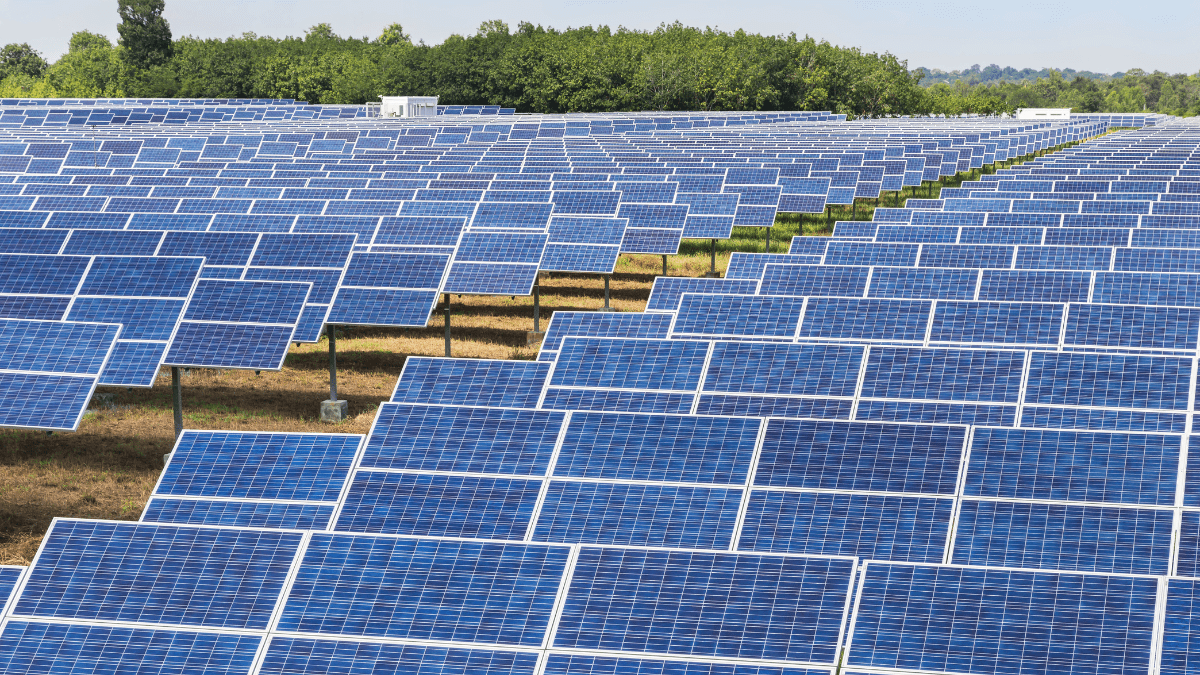
Africa is becoming an important region in the global renewable energy market as countries increase the use of solar power to meet their growing electricity needs. The continent receives some of the strongest sunlight in the world, giving it a natural advantage for solar generation. With more investment and better technology, solar energy is helping many African nations reduce dependence on fossil fuels and expand electricity access to communities that were previously underserved.
Over the past few years, solar installations have grown rapidly across sub-Saharan Africa. Data from the International Renewable Energy Agency shows that the region has added more than 10 gigawatts of solar capacity in just five years. This rise reflects steady project development and growing confidence among international investors who now see Africa as a serious market for renewable energy.
Kenya is a clear example of this progress. While other sectors often receive more attention, solar power has played a major role in rural electrification. The pay-as-you-go model has allowed low-income households to access small solar systems without large upfront costs. As a result, more than 20 percent of rural homes have received electricity for the first time. Policies like feed-in tariffs and programmes such as the Kenya Off-Grid Solar Access Project have attracted investors from different parts of the world, helping expand both grid-connected and off-grid solutions.
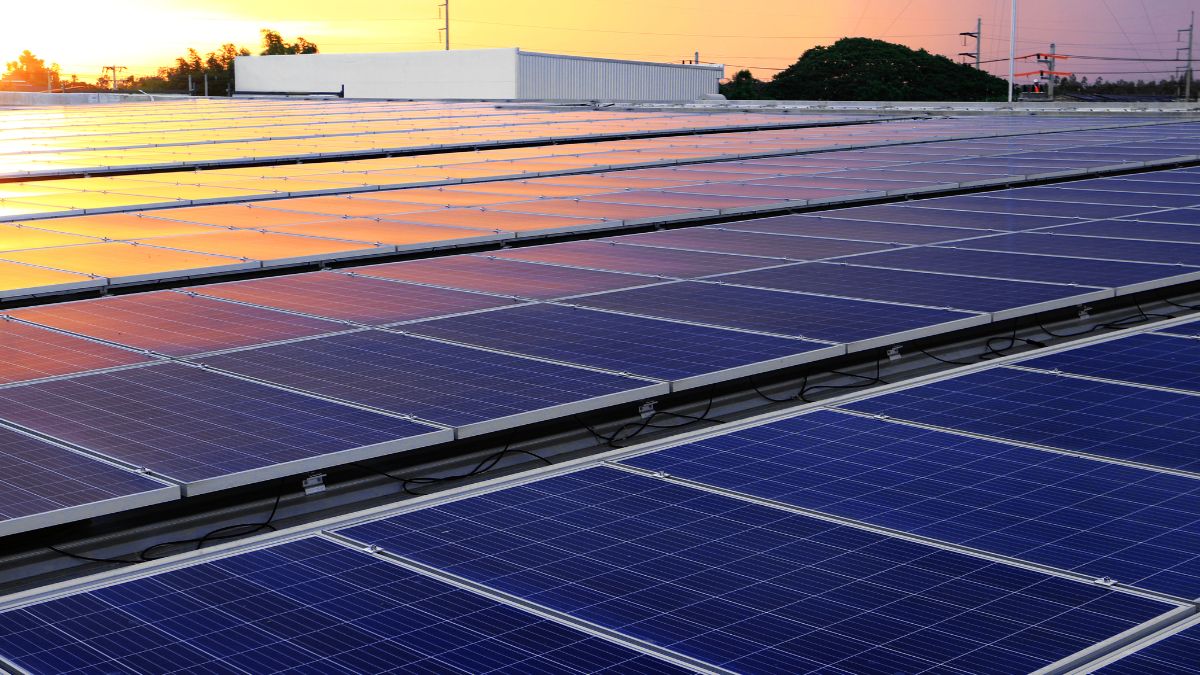
South Africa has also made solar power a key part of its plan to address energy shortages and strengthen its electricity network. The Renewable Energy Independent Power Producer Procurement Programme has helped install more than 6 gigawatts of solar capacity. Large solar parks, including the Kathu Solar Park, not only provide clean energy but also create employment and support local economic activity.
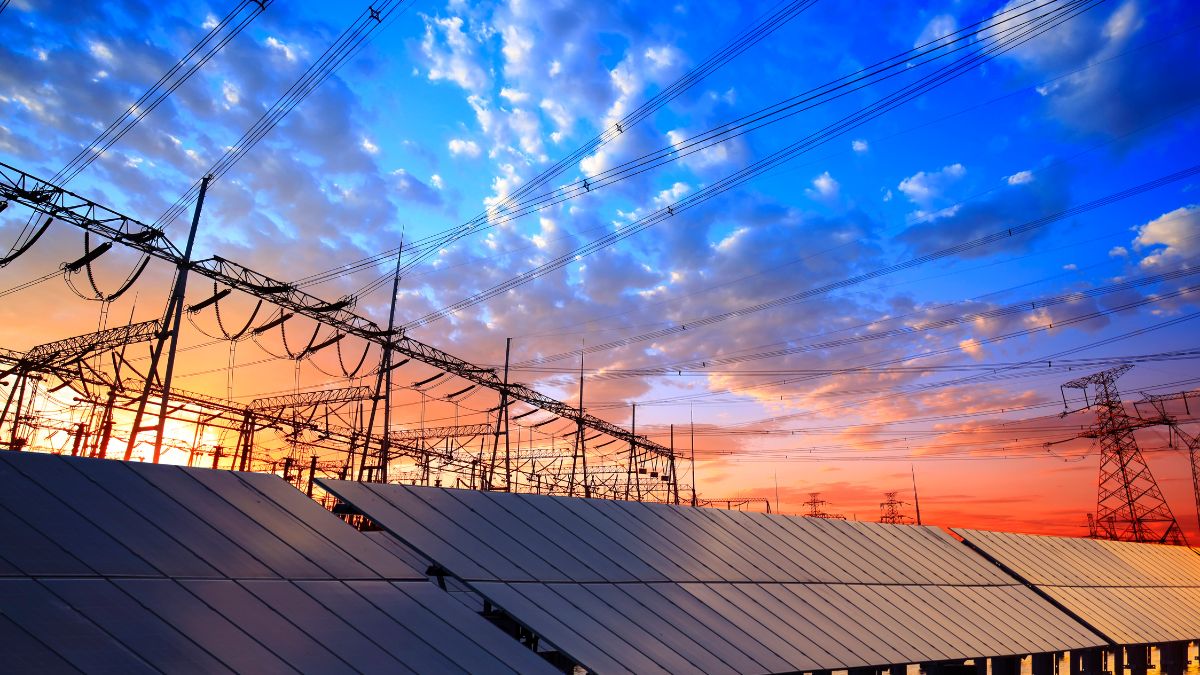
In North Africa, countries such as Morocco are investing in large-scale solar developments. The Noor Solar Complex is one of the world’s biggest concentrated solar facilities and demonstrates how government and private partners can work together to accelerate renewable energy adoption. Many of these projects are increasingly linked through regional electricity networks, helping stabilize power supply across borders.
The growth of solar in Africa is supported by falling solar panel prices, improvements in battery storage, and the rise of new business models. The sector is also generating work opportunities in areas such as installation, maintenance, financing, and digital energy platforms. Although challenges remain, including weak grid infrastructure and policy gaps, countries like Rwanda show that strong government support can make a big difference.
With events like Intersolar Africa 2026 approaching, the outlook for solar energy on the continent remains highly positive. Africa’s solar sector is shifting from early development to fast expansion, offering cleaner energy and new economic possibilities for millions of people.
Subscribe to get the latest posts sent to your email.