Germany has finalized a deal to buy a stake in the German division of Dutch power grid operator TenneT (TenneT Germany) for around €7.6–€8.9 billion (approx. $8.2–$9.6 billion), locking in some state influence over critical high-voltage infrastructure and unlocking funding capacity for the grid expansion required by the energy transition, Reuters reported on Monday.
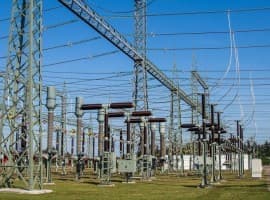
The transaction is aimed at easing one of the most persistent constraints in Germany’s energy shift: financing and executing large-scale transmission upgrades needed to move renewable power from the country’s wind-heavy north to industrial centers in the south. TenneT Germany operates much of the backbone grid required for this build-out, including major north–south corridors and offshore wind connections.
The Dutch state-owned parent, TenneT, has sought to divest its German operations as investment requirements ballooned beyond what the Netherlands was willing to support on its own balance sheet. TenneT Germany faces more than €100 billion in long-term grid investment needs, driven by offshore wind expansion, high-voltage direct current links, and reinforcement of aging transmission infrastructure.
Previous attempts by Berlin to acquire TenneT outright failed over valuation and governance concerns, but the new structure allows Germany to inject capital while gaining strategic influence over investment planning and execution. State participation is expected to lower financing costs and provide balance-sheet stability for projects with multi-decade timelines.
Germany’s Energiewende has intensified pressure on the transmission network as renewable generation has expanded faster than grid capacity. Priority grid access for wind and solar has made large-scale investment in high-voltage networks unavoidable, turning grid expansion into a central risk factor for meeting renewable targets and maintaining system reliability.
By Charles Kennedy for Oilprice.com
More Top Reads From Oilprice.com
- Global Upstream Capex Set To Fall Again In 2026 Amid Low Oil Prices
- Egypt Announces Oil and Gas Discoveries in Western Desert
- China Welcomes EU Guidance on Minimum EV Prices After Tariff Dispute