By
26 min ago 2 min read
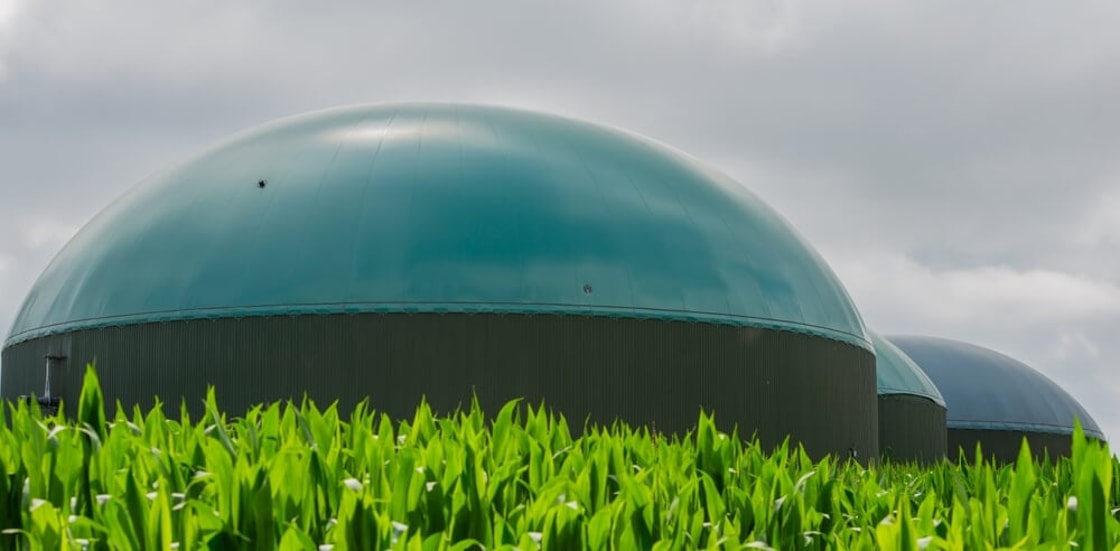
The US could deploy more than 17,000 additional biogas systems, according to new data from the American Biogas Council (ABC), highlighting a largely untapped source of renewable energy and future biogenic carbon dioxide (CO2) supply.
Despite the gap, the market continues to expand. Today, nearly 2,600 biogas capture facilities are in operation across the US, with over 1,450 generating electricity for on-site use or export to the grid.
Biogas systems capture energy released as organic materials – including food waste, manure, and wastewater solids – break down, converting waste streams into renewable natural gas (RNG).
RNG is known as biomethane in markets outside the US.
Even though RNG is growing quickly in the US, most biogas is still used to make electricity. In 2025, 52% of biogas output was used to generate electricity, while 44% was upgraded to RNG.
In total, ABC data reports that biogas systems used for power generation produce around 28.6 billion kWh annually, enough to supply nearly 2.7 million US homes.
Patrick Serfass, Executive Director of the American Biogas Council, described biogas as one of the largest untapped energy sources in the US.
“These systems are ready to scale using infrastructure and waste streams that already exist in every state,” he said.
At gasworld’s North American CO2 Summit last year, Erica Chase, President of the waste gases-to-CO2 company, identified an “add-on” opportunity for biogenic carbon dioxide (CO2) capture at RNG sites.
According to data from the RNG Coalition, there are around 474 operational RNG facilities in North America, representing a potential 2.25 million tonnes per year of recoverable CO2.
The Coalition further suggests that an additional 440 RNG facilities are currently in development, and these have the potential to add 2.1 million tonnes of CO2 per year to the market.
Less than 5% of sites currently have captive on-site reuse, showcasing the opportunity.