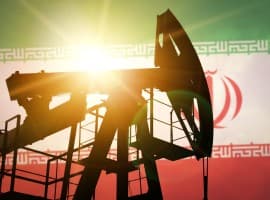
Oil prices continued to climb early on Tuesday as markets focused on unrest in Iran and the risk of a U.S. intervention disrupting supply in the world’s most important oil region.
At the time of writing, WTI Crude was trading around $59.74 per barrel, up 0.4%, while Brent Crude was near $64.09, 0.34% higher. Both benchmarks are nearly 6% higher on the week as geopolitical risk continues to dominate.
Nationwide protests in Iran, sparked initially by economic grievances and now encompassing broader political demands, have evolved into one of the country’s most serious internal crises in years, with large-scale demonstrations and a government internet blackout impeding communication across major cities.
Amidst reports of over 500 protesters being killed and over 10,000 arrests being made, there is growing concern that President Trump will follow through on his promise to intervene to protect peaceful protesters. Iran’s Foreign Minister has made it clear that Iran is ready for war, and encouraged the U.S. to choose “the wise option” of dialogue instead of war.
In an attempt to protect its output from this geopolitical risk, Iran has boosted the amount of oil stored at sea, with its floating storage reaching record volumes in recent weeks. With Trump having now announced a 25% tariff on countries doing business with Iran, Iranian exports are going to be under even more pressure, and that could evenually impact Iranian production.
Countering bullish sentiment in oil markets are expectations of a significant crude glut this year, particularly if Venezuelan supply returns to the market after the capture of Maduro.
As has so often been the case over the past year, geopolitical risk remains significantly elevated despite bearish fundamentals and no physical supply disruptions actually occurring. Just how long traders will remain focused on Iran without any significant developments one way or the other remains to be seen.
By Charles Kennedy for Oilprice.com
More Top Reads From Oilprice.com
- Global Upstream Capex Set To Fall Again In 2026 Amid Low Oil Prices
- Egypt Announces Oil and Gas Discoveries in Western Desert
- China Welcomes EU Guidance on Minimum EV Prices After Tariff Dispute