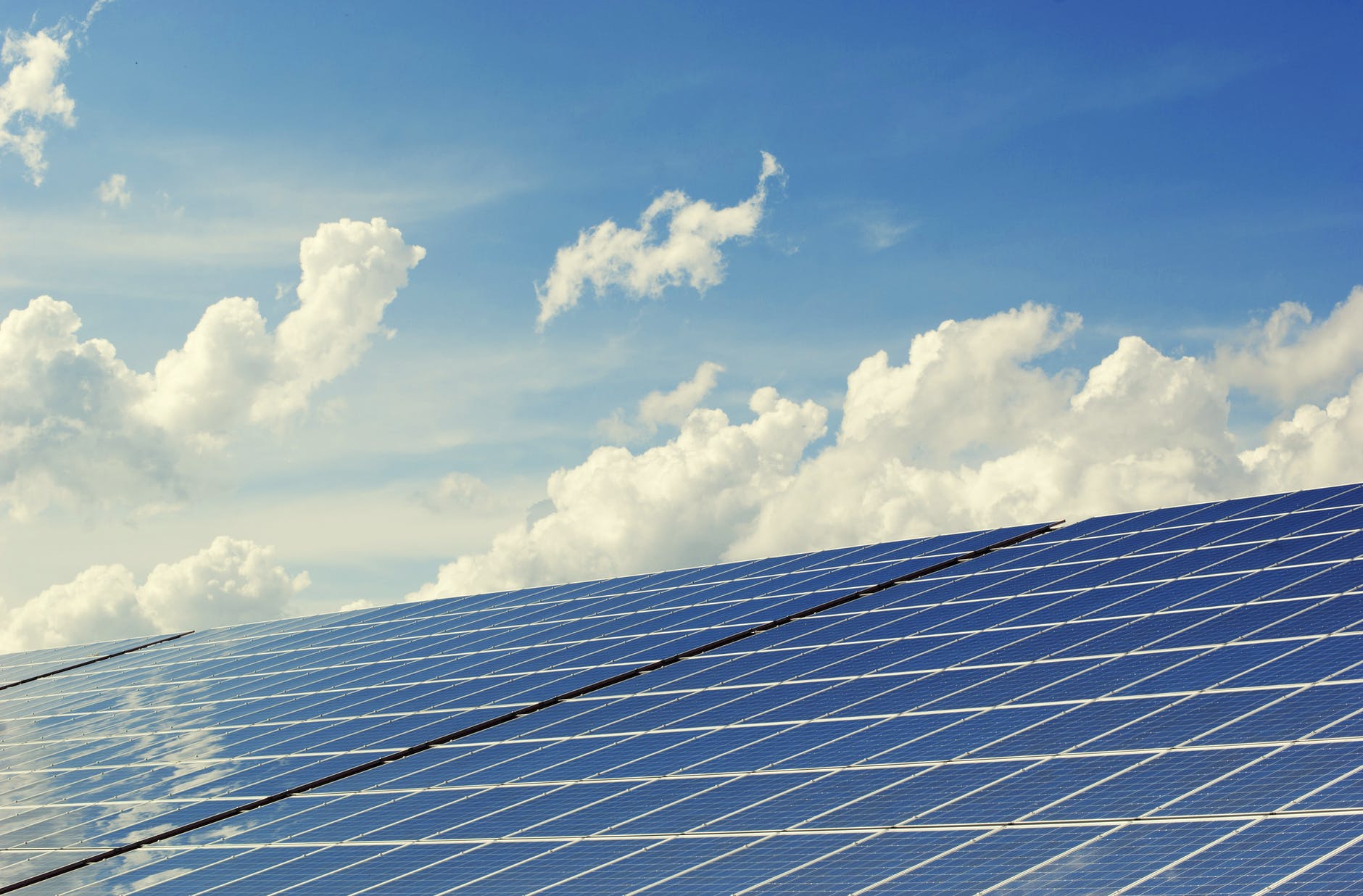
Africa’s solar energy sector crossed an important milestone in 2025 as the continent’s total operational solar capacity went beyond 20 GW for the first time. This achievement highlights Africa’s steady progress in clean energy adoption despite ongoing challenges related to infrastructure, financing, and grid reliability. According to the latest Solar Outlook report released by the Africa Solar Industry Association (AFSIA), Africa added around 2.4 GW of new solar PV capacity during the year. Although this was lower than the record 3.7 GW installed in 2024, experts believe the growth trend remains strong and encouraging for the region’s long-term energy transition.
One of the key reasons behind this expansion has been the continued inflow of solar equipment from China. For the first time, analysts used monthly Chinese export data to track solar shipments into Africa more accurately. The data showed that in 2025, solar exports from China to Africa increased by 17%. This growth is significant because Chinese solar exports declined in many other parts of the world during the same period. As a result, Africa has emerged as one of the top three fastest-growing solar markets globally since the pandemic.
The rising imports are changing the energy mix of many African countries. Tunisia moved up sharply in solar rankings due to increased imports of solar panels. Namibia and South Africa remain leaders when solar capacity is measured on a per-person basis. Overall, around 32 African countries now have the technical potential to generate more than 10% of their electricity needs using imported solar panels. This places Africa in a unique position compared to other regions, where solar growth is often limited by land, policy, or grid constraints.
Battery Energy Storage Systems are playing a crucial role in this transformation. Many African countries do not have stable or fully developed power grids, making energy storage more important than in other regions. Solar projects in Africa often depend on batteries to ensure power is available even when the sun is not shining. Between 2022 and 2025, battery prices dropped sharply, making solar combined with storage cost-competitive with grid electricity and diesel generators. This has been especially beneficial for commercial and industrial users who need reliable, round-the-clock power to run their operations.
While Chinese technology currently dominates the market, efforts are underway to build local manufacturing capacity. Countries such as Nigeria, South Africa, and Ethiopia are seeing new solar manufacturing projects take shape. As demand continues to grow, experts believe it is becoming commercially viable to set up factories within Africa. Nigeria is expected to play a major role in the next phase of growth and could soon become the continent’s largest solar market. This shift points toward a future where Africa is not only a major solar consumer but also a regional manufacturing hub.
Subscribe to get the latest posts sent to your email.