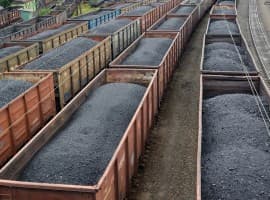
The coal-fired power plants in Germany are profitable to run again amid surging electricity demand in a cold snap and a plunge in European carbon prices this week.
Coal plants running on lignite, the dirtiest coal, returned to profit after carbon prices slumped by about 8% so far this week, following a jump in the previous week, analysts at Energy Aspects Ltd and LSEG told Bloomberg.
The plunge in carbon permit prices made coal-fired power plants in Germany more profitable to run than gas-fired capacity, according to the analysts.
Coal generation is now back to profit in Europe’s biggest economy, for the first time since November.
Set OilPrice.com as a preferred source in Google .
The cold snap, soaring demand, and faltering renewable output, especially solar in the winter, have resulted in coal and gas plants meeting almost half of Germany’s electricity demand this week, per data from Fraunhofer ISE cited by Bloomberg.
Germany looks to phase out coal-fired power capacity by 2030, but it continues to rely on coal power plants when demand is high and renewable output low in the winter.
At the end of last year, Germany’s ruling coalition slashed in half the capacity of new natural gas-fired power plants it aims to tender by 2032 in a significant scale-down from the previously planned 20 GW of new gas capacity.
The governing coalition led by conservative Chancellor Friedrich Merz has reached a compromise on the energy policy as Europe’s biggest economy looks to balance energy security with its decarbonization goals.
The government will tender 10 GW of new gas-fired capacity by 2032, to serve as flexible backup to wind and solar energy, as Germany also looks to phase out coal-fired power capacity by 2030.
Germany, which in 2023 closed all its remaining nuclear power plants – is now seeking to balance the generation and transmission systems with new gas power plants.
By Tsvetana Paraskova for Oilprice.com
More Top Reads From Oilprice.com
- India Deepens Energy Ties With the Gulf While Balancing Russian Oil Risk
- Indian Refiners Boost Middle East Supply To Offset Lost Russian Oil
- IEA Raises Forecast of Global Oil Demand Growth in 2026