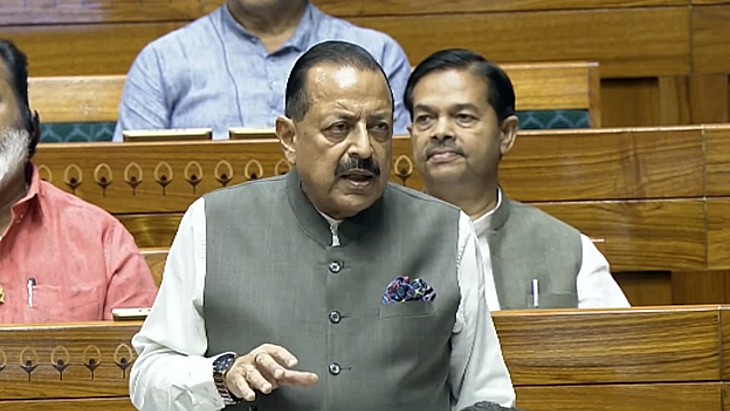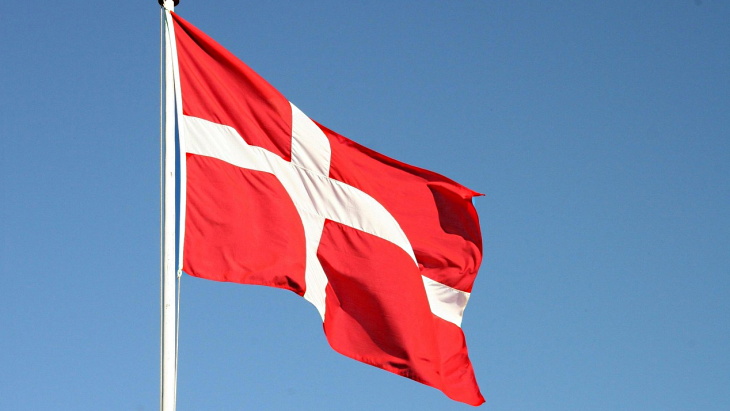
In 1985, the Danish parliament passed a resolution that nuclear power plants would not be built in the country. However, in a parliamentary vote in May last year, two-thirds of Danish MPs supported the country launching an investigation into the possible use of nuclear power to enhance its energy security. The analysis is aimed at allowing a subsequent debate on the possible lifting of the ban on nuclear power to take place on an informed basis.
“Although the government does not consider conventional nuclear power to be relevant in Denmark, there has been increasing interest in new nuclear power technologies such as small modular reactors (SMRs) in Denmark and the EU in recent years,” the ministry noted. “This should be seen, among other things, in light of the ongoing development of SMR solutions, increased focus on ensuring balance in a fossil-free energy system with a view to increased focus on European energy independence, stable and low energy prices, stable electricity supply and increased business interest.”
The ministry has now said that the basis for the analysis of new nuclear power technologies is in place and that initial work on the analysis has begun.
The analysis aims to uncover the following: whether SMRs could be included in the Danish energy system, including in relation to economic costs and benefits; the need for new national regulation, authority structure and competencies relevant to the possible establishment of nuclear plants in Denmark, as well as a specific work plan for how and in what sequence identified needs can be handled in order to constitute a sufficient basis for such plants to be established, and for what decisions must be taken if it is politically desired to lift the ban; and commercial interests and potential for the development and supply of components for SMRs, as well as for larger commercial enterprises in Denmark as potential buyers of electricity and/or heat from SMRs.
The analysis will also include an immediate estimation of a range of expected resource needs and considerations regarding authority organisation and departmental responsibility across the state in the event of a lifting of the ban and the development, testing and establishment of SMRs in Denmark. This will also include an immediate estimation of the need for new full-time equivalents in state authorities.
“The analysis does not in itself result in the launch of new initiatives with a view to the establishment of new nuclear power technologies in Denmark, but could form the basis for a discussion on this,” the ministry said.
“Green energy from the sun and wind is now and will continue to be the backbone of the Danish energy supply, but we can also see that it cannot stand alone,” said Minister for Climate, Energy and Utilities Lars Aagaard. “Therefore, we must be open to whether other technologies can provide us with green energy in the future. Small modular nuclear reactors may be an option here. However, mass-produced SMRs are neither a quick fix nor a free pass, and we must have a basis for getting control of the regulatory processes, safety, waste, competencies and responsibility. With this analysis, we will have a solid, informed basis on which to make political decisions.”
He added: “I approach nuclear power with an open mind, and I hope that everyone’s pulse will slow down. Debating the lifting of a ban without considering whether you will also do everything else that comes with it just sends a signal without substance. There may be great potential in SMRs down the road, so it should not be about ideology, but about doing things thoroughly and in the right order.”
The analysis is expected to be completed in the second quarter of 2026.
In December, several Danish business organisations, universities and companies launched the Nuclear Power Alliance with the aim of advocating for a technology-neutral approach to nuclear power in the country. The alliance is led by, among others, the Confederation of Danish Industry, Dansk Metal and the Novo Nordisk Foundation. Its members also include chemical engineering firm Topsoe and engineering consultancy Niras, as well as the private equity fund 92 Capital, which concentrates its investments in the nuclear energy sector.