Pressure-Based CO₂ Capture System Advances Industrial Decarbonisation

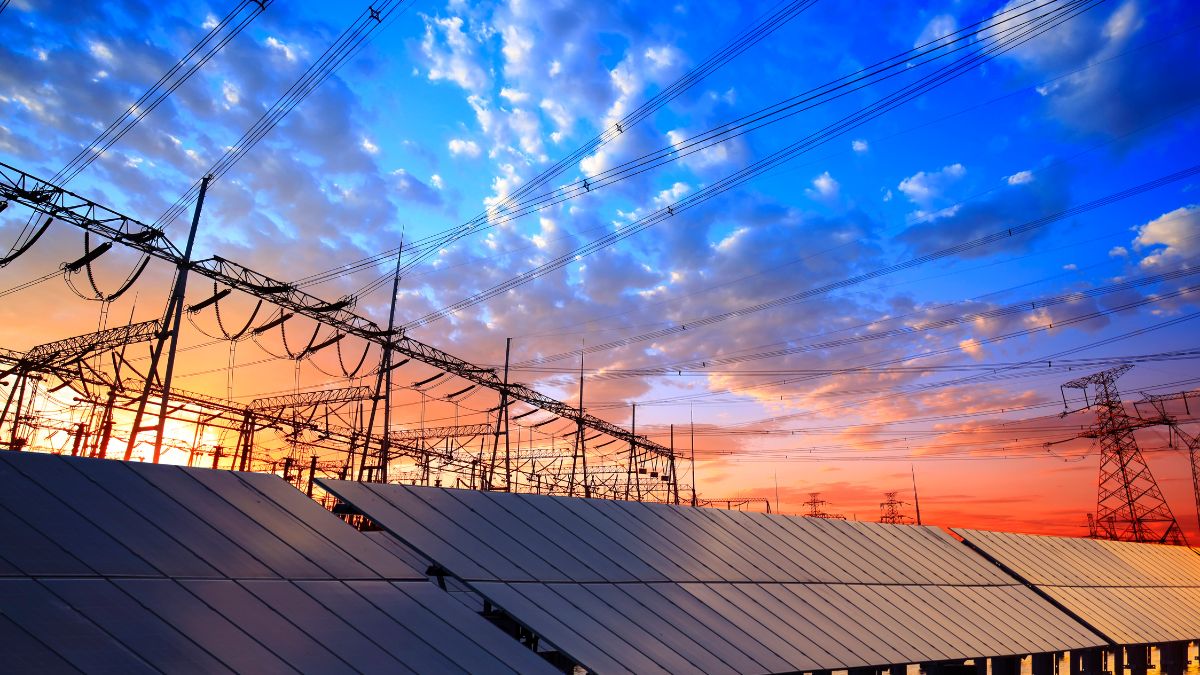
Representational image. Credit: Canva

A new carbon capture approach developed at Texas A&M University is claiming to significantly reduce the cost of industrial decarbonisation by using a simple physical principle: dissolving carbon dioxide in water under pressure.

The process, known as Pressure Induced Carbon Capture (PICC), relies on water and controlled pressure changes to absorb and release CO₂ from industrial exhaust streams. Unlike conventional systems that use chemical solvents such as amines, PICC operates through physical absorption — similar to how carbon dioxide dissolves in a sealed soda bottle and escapes when opened.

A Simpler Alternative to Chemical Capture

Traditional amine-based carbon capture technologies dominate the market but face cost and efficiency challenges. They typically capture around 90% of carbon dioxide emissions and cost between $50 and $100 per metric ton of CO₂ removed. In addition, amines degrade over time and require energy-intensive regeneration.

According to its developers, PICC can capture and compress up to 99% of carbon dioxide emissions for approximately $26 per metric ton. By introducing a small amount of lime to the water, the system reportedly achieves near-100% capture at a cost below $28 per ton — including carbon dioxide originating from combustion air.

The process involves cooling and compressing flue gas from power plants or industrial facilities before introducing it into an absorption column where it contacts cold water. CO₂ dissolves under high pressure, while cleaner gas exits the system. The CO₂-rich water is then depressurised in stages, allowing the gas to bubble out for compression and storage.

Implications for Industrial Decarbonisation

If scalable, the technology could offer a lower-cost pathway for reducing emissions in hard-to-abate sectors such as cement, steel, hydrogen production and thermal power generation. It may also complement biomass combustion systems to enable negative emissions.

For the broader clean energy ecosystem, lower-cost carbon capture solutions could influence carbon credit markets, industrial transition strategies and policy frameworks targeting net-zero commitments.

While commercial deployment and large-scale validation remain key next steps, the claimed cost reduction positions pressure-based carbon capture as a potential disruptor in the evolving carbon management landscape.


Subscribe to get the latest posts sent to your email.
 

  • Related Posts

    Solar Tech Weekly: Korea Targets Next-Gen Batteries by 2029; Enerman Digitizes PM-KUSUM with RMS SCADA and More…

    South Korea has unveiled an ambitious roadmap to commercialize next-generation lithium-metal and all-solid-state batteries by 2029. Backed by structured public–private collaboration, the program focuses on ultra-high energy density and enhanced…

    Philippines DOE Mandates Energy Storage For Large Renewable Energy Projects

    The Department of Energy (DOE) has introduced a new rule that makes energy storage compulsory for large renewable energy projects in the Philippines. The move is aimed at improving grid…

    Have You Seen?

    Oil Prices Rise 2% as US and Iran Extend Talks into Next Week

    • February 27, 2026
    Oil Prices Rise 2% as US and Iran Extend Talks into Next Week

    Oil Market Is Nervous for the Coming Weekend

    • February 27, 2026
    Oil Market Is Nervous for the Coming Weekend

    Solar Tech Weekly: Korea Targets Next-Gen Batteries by 2029; Enerman Digitizes PM-KUSUM with RMS SCADA and More…

    • February 27, 2026
    Solar Tech Weekly: Korea Targets Next-Gen Batteries by 2029; Enerman Digitizes PM-KUSUM with RMS SCADA and More…

    Philippines DOE Mandates Energy Storage For Large Renewable Energy Projects

    • February 27, 2026
    Philippines DOE Mandates Energy Storage For Large Renewable Energy Projects

    Britain Reconsiders 78% North Sea Oil Tax as Investment Slows

    • February 27, 2026
    Britain Reconsiders 78% North Sea Oil Tax as Investment Slows

    Oil Prices Set for Weekly Decline as Risk Premium Eases

    • February 27, 2026
    Oil Prices Set for Weekly Decline as Risk Premium Eases

    Plug Power sells New York hydrogen site to data centre developer for $132.5m

    • February 27, 2026
    Plug Power sells New York hydrogen site to data centre developer for $132.5m

    European Bank For Reconstruction And Development Opens Consultation On 2026–30 GEHC Strategy Supporting Sustainable And Green Projects

    • February 27, 2026
    European Bank For Reconstruction And Development Opens Consultation On 2026–30 GEHC Strategy Supporting Sustainable And Green Projects

    EcoCeres warns against EU SAF trade defence measures

    • February 27, 2026
    EcoCeres warns against EU SAF trade defence measures

    DOE approves 12% boost to Corpus Christi LNG exports

    • February 27, 2026
    DOE approves 12% boost to Corpus Christi LNG exports