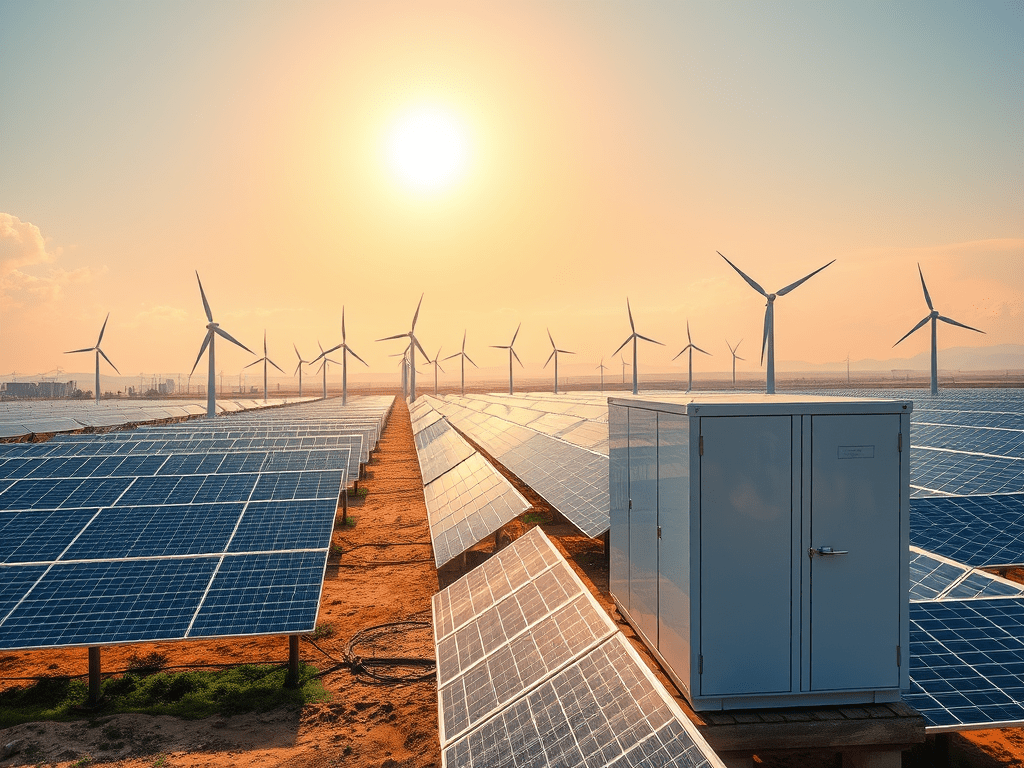
The Department of Energy (DOE) has introduced a new rule that makes energy storage compulsory for large renewable energy projects in the Philippines. The move is aimed at improving grid stability as more solar and wind power are added to the country’s electricity system.
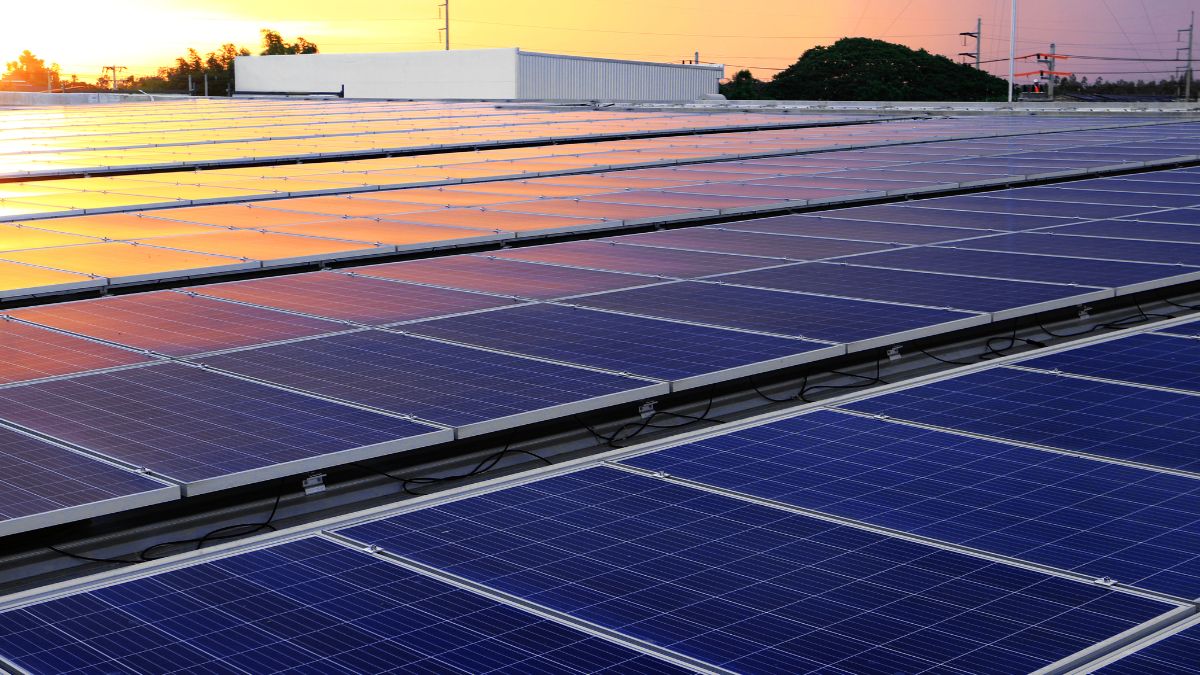
Under Department Circular No. DC2026-02-0008, issued on Thursday, all new variable renewable energy (VRE) projects with a capacity of 10 megawatts or more will be required to include energy storage systems (ESS). The storage capacity must be at least 20 percent of the project’s total installed capacity. This applies mainly to large-scale solar and wind power plants, which are known for variable and intermittent generation.
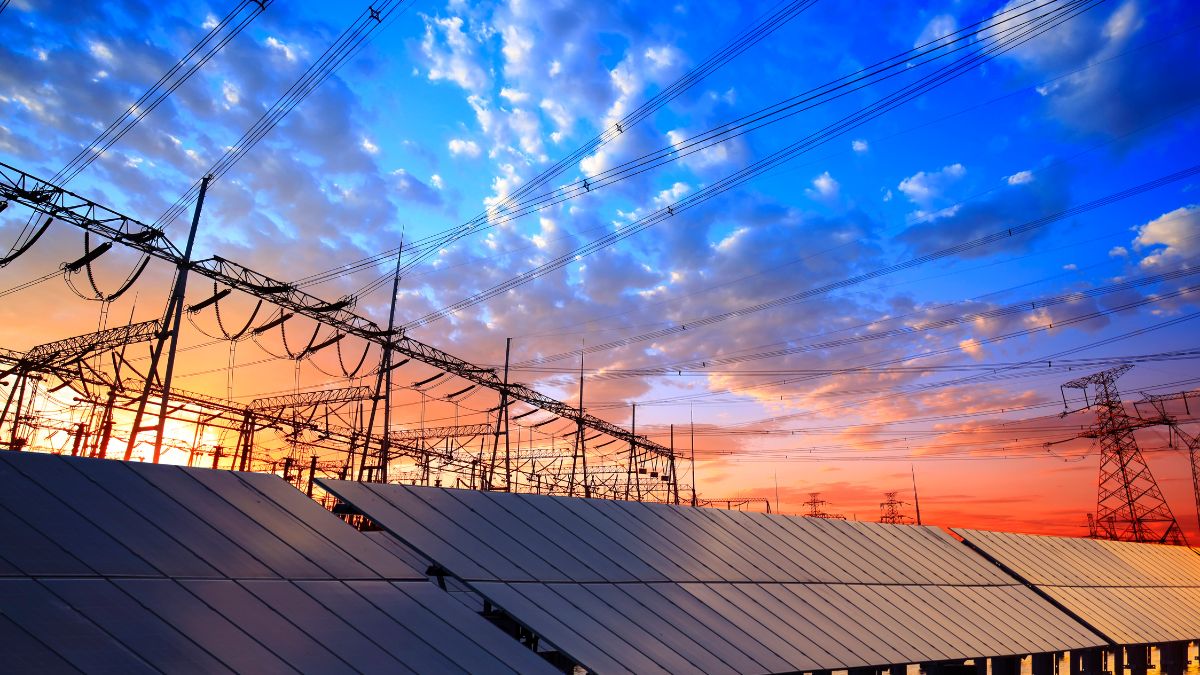
The DOE said the policy is a response to the growing share of renewables in the power mix and the challenges they create for grid operations. Solar and wind output can change quickly due to weather conditions, leading to sudden drops or spikes in electricity supply. By integrating batteries or other storage technologies, these fluctuations can be managed more effectively, ensuring a steady and reliable flow of power.
Energy Secretary Sharon S. Garin said energy storage plays a key role beyond simply saving excess electricity. According to her, storage systems help the grid absorb more renewable energy while maintaining stability and reliability. She added that making ESS a standard part of project planning will lead to better outcomes for consumers and a more resilient power system overall.
The circular also encourages the use of advanced technologies such as grid-forming inverters. These systems can provide what is known as “virtual inertia,” which helps stabilize voltage and frequency during sudden changes in supply or demand. Traditionally, this role has been handled by conventional fossil fuel power plants, but new technologies now allow renewable plants to support the grid in similar ways.
In addition to requirements for private developers, the DOE has directed the Transmission Network Provider and distribution utilities to include energy storage in their long-term planning. Storage is expected to be used for grid strengthening, frequency regulation, and backup power in islanding situations, where certain areas are temporarily separated from the main grid.
The government plans to formalize these measures by including them in future updates of the Philippine Energy Plan and the Transmission Development Plan. The DOE said the updated framework will give clearer signals to investors and support the country’s clean energy goals, while ensuring a stable and reliable power supply for the Philippines.
Subscribe to get the latest posts sent to your email.