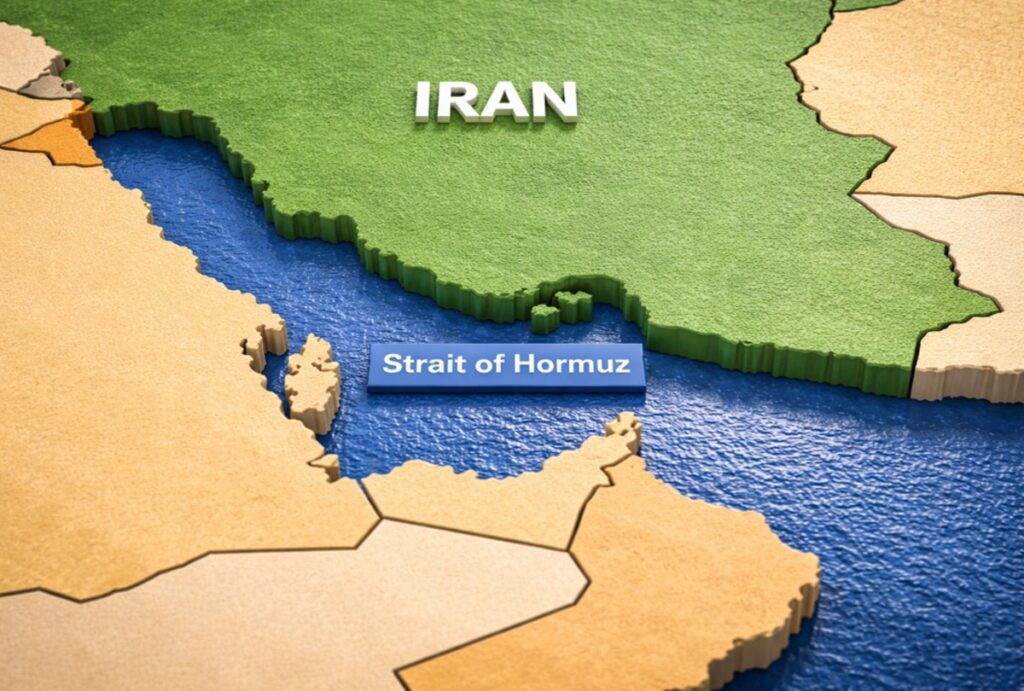
(Reuters) – Iran could consider allowing ships to sail freely through the Omani side of the Strait of Hormuz without risk of attack as part of proposals it has offered in negotiations with the United States, providing a deal is clinched to prevent renewed conflict, a source briefed by Tehran said.
The U.S.-Israeli war with Iran has resulted in the largest-ever disruption of global oil and gas supplies due to Iran’s interruption of traffic through the strait, which handles about 20% of the world’s oil and liquefied natural gas flows.
Get the Latest US Focused Energy News Delivered to You! It’s FREE:
Hundreds of tankers and other ships and 20,000 seafarers have been stuck inside the Gulf since the war began on February 28. A two-week ceasefire came into effect on April 8 and U.S. President Donald Trump said on Wednesday the war was close to over, but control over the Strait of Hormuz remains a key issue in negotiations.
The source, who declined to be identified due to the sensitivity of the matter, said Iran could be willing to let ships use the other side of the narrow strait in Omani waters without any hindrance from Tehran.
The source did not say whether Iran would also agree to clear any mines it may have placed in that stretch of water or if all ships – even those linked to Israel – would be allowed to pass freely.
But the source added that the proposal hinged on whether Washington was prepared to meet Tehran’s demands, a condition that was central to any potential breakthrough with the Strait of Hormuz.
The White House did not immediately respond to a request for comment. Iran’s Foreign Ministry was not immediately available to comment.
A Western security source said the proposal to let ships pass through Omani waters unhindered had been in the works although it was not clear if there had been any response from Washington yet.
The strait, a strip of water only 34 km (21 miles) wide between Iran and Oman, provides passage from the Gulf to the Indian Ocean and is a main route for energy supplies from the Middle East and other vital goods including fertilisers.
The proposal would be the first visible step by Tehran to pull back from more combative ideas floated in recent weeks, which included charging ships for passage through the international waterway and imposing sovereignty on the strait – seen by the global shipping industry as unprecedented unilateral steps in breach of maritime conventions.
Member countries of the U.N.’s International Maritime Organization agency meeting in London this week pushed back on the idea of a toll being imposed by Iran for ships using the strait, which the IMO has said would “set a dangerous precedent”.
Iran’s proposal would also be the first move towards restoring the status quo on sailing through the strait, which had been in place for decades despite periodic seizures by Iran of ships crossing the waterway.
A so-called two-way traffic separation scheme, which was adopted by the U.N.’s shipping agency in 1968 with agreement of countries in the region, created the current ship routing system that split sailing corridors through Iranian and Omani waters.
The U.S. imposed a blockade on oil ships leaving Iranian ports on Monday and broader shipping traffic has remained muted since February 28.
Reporting by Parisa Hafezi in Dubai and Jonathan Saul in London, additional reporting by Steve Holland in Washington; Editing by Nia Williams
Share This:
More News Articles