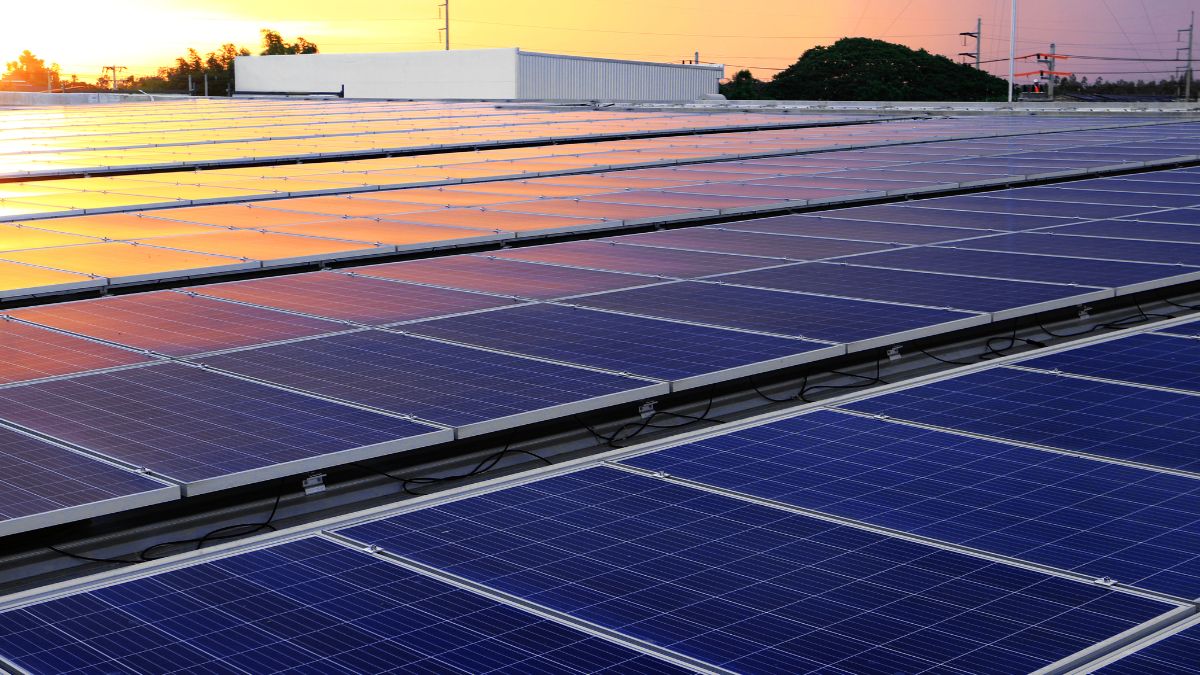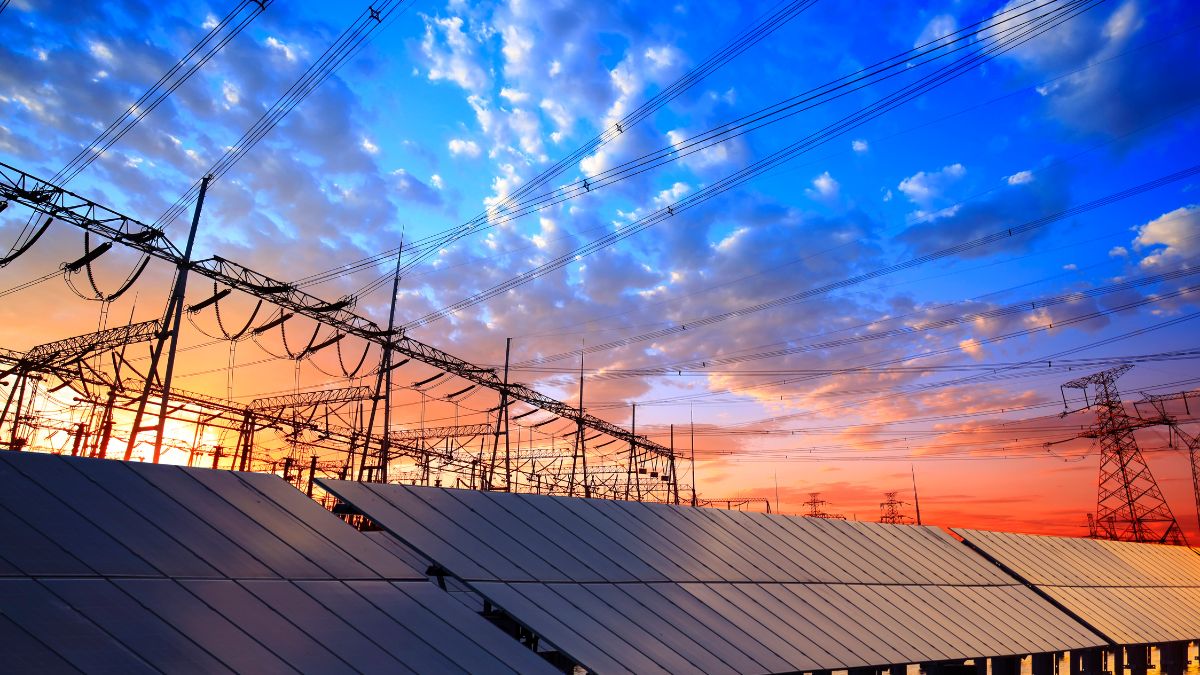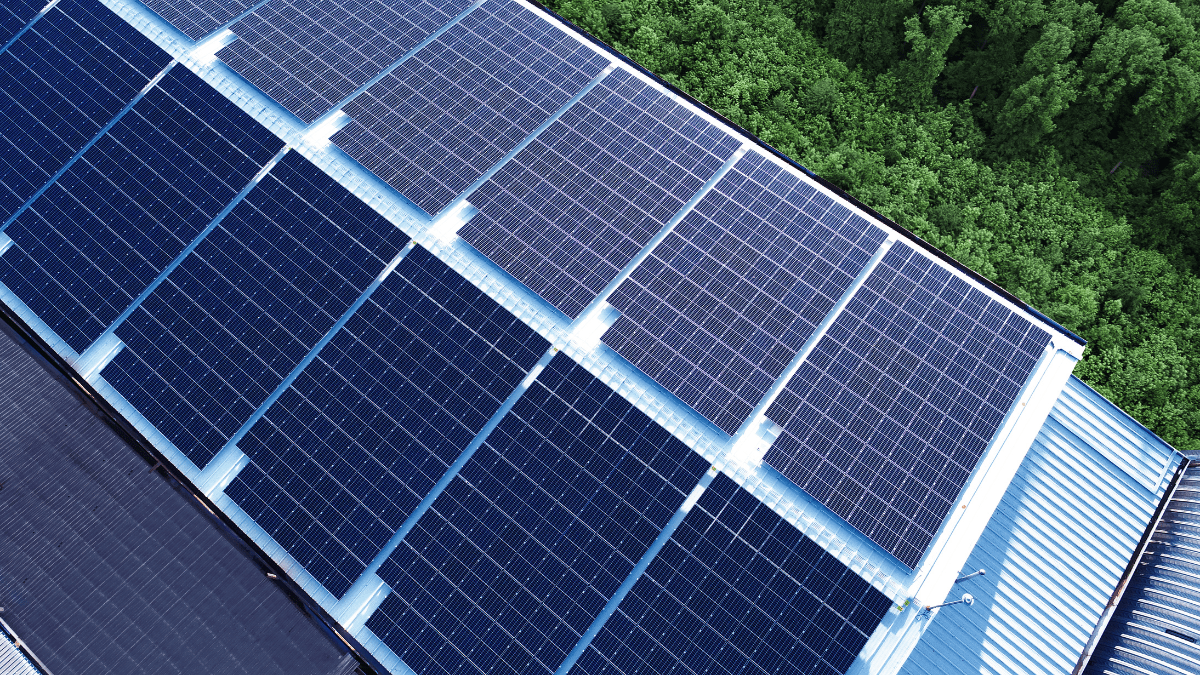
The Meghalaya State Electricity Regulatory Commission (MSERC) has released a public notice along with the draft of the “Meghalaya State Electricity Regulatory Commission (Distributed Renewable Energy) Regulations, 2026.” The move is seen as an important step toward promoting clean and decentralized energy in the state. The draft regulations aim to make it easier for homes, businesses, and industrial units to install renewable energy systems such as rooftop solar panels.
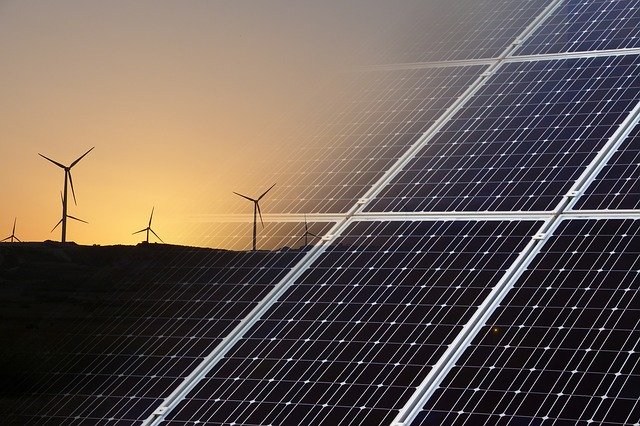
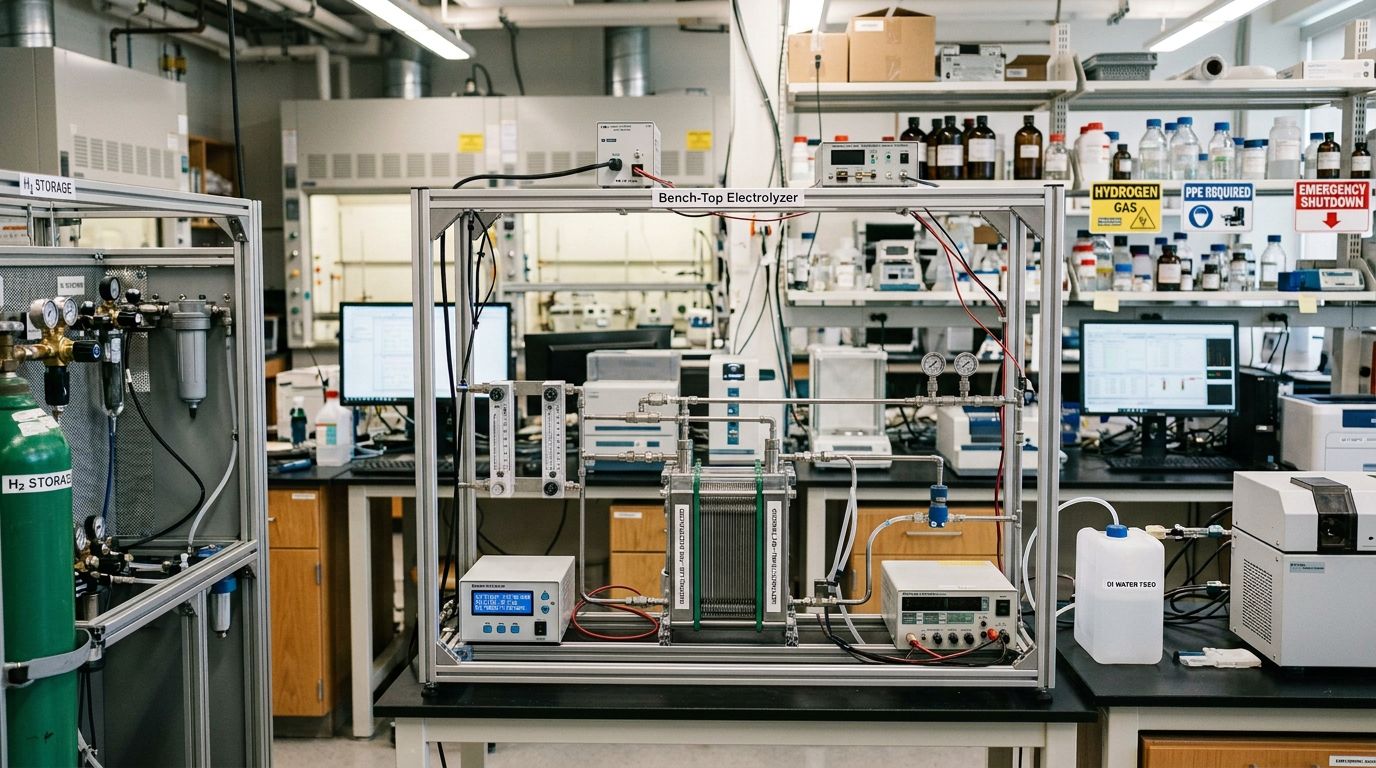
The main goal of the new regulations is to create a clear and transparent framework for Distributed Renewable Energy (DRE). DRE refers to small-scale power generation systems that are set up close to where electricity is consumed. Instead of depending only on large power plants located far away, consumers can generate electricity at their own premises. This approach reduces the burden on the main grid, cuts down transmission losses, and improves overall energy efficiency. It also supports Meghalaya’s efforts to increase its share of renewable energy and reduce dependence on conventional power sources.
One of the important features of the draft regulations is the focus on different metering models. These models decide how consumers will be billed if they generate their own electricity. Under Net Metering, consumers can use the electricity they generate and send any extra power back to the grid. In return, they receive credits that reduce their electricity bills. Under Gross Metering, all the electricity generated is supplied to the distribution utility, and the consumer is paid at a fixed rate. The draft rules provide clarity on which type of consumers are eligible for each model and aim to ensure that the benefits are balanced for both consumers and the utility.
The Commission has invited suggestions, comments, and objections from the public and stakeholders. This includes power companies, environmental groups, and ordinary citizens. By seeking feedback, MSERC wants to make sure that the final regulations are practical and address possible technical and financial concerns. This open consultation process is expected to help create rules that are fair and easy to implement.
The draft also sets technical standards for connecting renewable systems to the grid. Safety, reliability, and proper system integration are key areas of focus. As Meghalaya works toward a more sustainable future, these proposed regulations provide a clear path for expanding renewable energy at the local level. By encouraging people to become both producers and consumers of electricity, the state is moving closer to energy independence and environmental protection.
Subscribe to get the latest posts sent to your email.