Japanese oil refiners are asking the government to release crude from the nation’s strategic petroleum reserves as the Middle East crisis worsens, according to people familiar with the matter.
The processors are in discussions with authorities to access government stockpiles as well as oil stored in tanks that are leased to producing countries, said the people, who asked not to be named due to the sensitivity of the matter.
The refiners are asking the government to expedite the process, as a potentially lengthy bidding process may mean supplies could take time to be received, one of the people said.
Japan gets more than 90 percent of its oil from the Middle East, making it highly vulnerable to the effective closure of the Strait of Hormuz that’s preventing energy exports from Persian Gulf suppliers. At least one Japanese refiner has canceled March-loading exports of gasoline, jet fuel and diesel to prioritize domestic usage.
An official in charge of oil stockpiles at the Ministry of Economy, Trade and Industry wasn’t available for comment.
Other Asian nations are making efforts to conserve energy to safeguard their economies if Hormuz remains blocked. China’s government has told the country’s biggest refiners to suspend exports of diesel and gasoline, while Thailand has said it will stop fuel shipments.
As of the end of last year, Japan had enough oil in its reserves to last 254 days, according to data from the trade ministry. This includes national stockpiles, sufficient for 146 days, and private-sector inventories, which are equivalent to 101 days of consumption.
In addition, an amount equivalent to seven days of demand is stored in joint reserve programs, according to government data. Under Japan’s joint stockpiling arrangements with Saudi Arabia, the United Arab Emirates, and Kuwait, the crude is normally used to supply Asia, with Japan having priority purchasing rights in times of emergency.
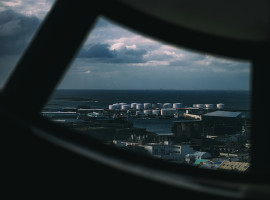
Among major Japanese storage sites, Kiire in Kyushu has capacity to store more than 46 million barrels, while Okinawa can hold more than 8 million barrels. Saudi Aramco leases space at both locations.
Japan has also this week canceled a sell tender – initially released last month – that offered Middle Eastern crude from the reserves, according to traders with direct knowledge of the matter.
What do you think? We’d love to hear from you, join the conversation on the
The is a new social experience created for you and all energy professionals to Speak Up about our industry, share knowledge, connect with peers and industry insiders and engage in a professional community that will empower your career in energy.