Energy ministers from seven German federal states have urged the national government to speed up the country’s transition to renewable energy as rising geopolitical tensions in the Middle East threaten global energy stability. In a joint letter addressed to Katherina Reiche, Germany’s Federal Minister for Economic Affairs and Energy, the ministers warned that ongoing conflicts could trigger sharp increases in oil and gas prices and further expose Germany’s vulnerability to imported fossil fuels.
The letter was signed by ministers from Baden-Württemberg, North Rhine-Westphalia, Rhineland-Palatinate, Hamburg, Bremen, Lower Saxony, and Schleswig-Holstein. In their message, the ministers said recent geopolitical tensions have once again highlighted the urgent need for Germany to strengthen its domestic energy security. They argued that the country’s economic stability and energy independence now depend heavily on how quickly it can expand renewable energy capacity and reduce dependence on fossil fuel imports.
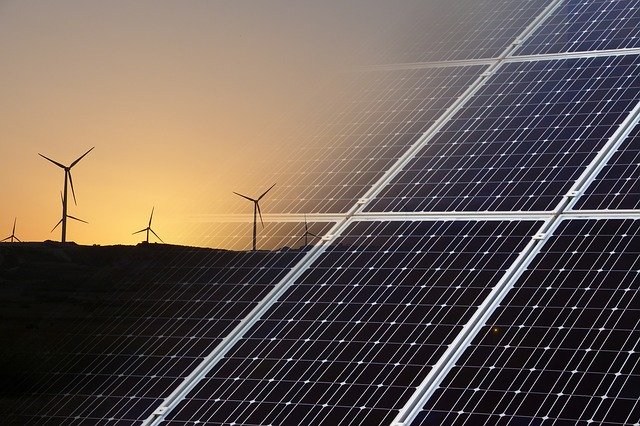
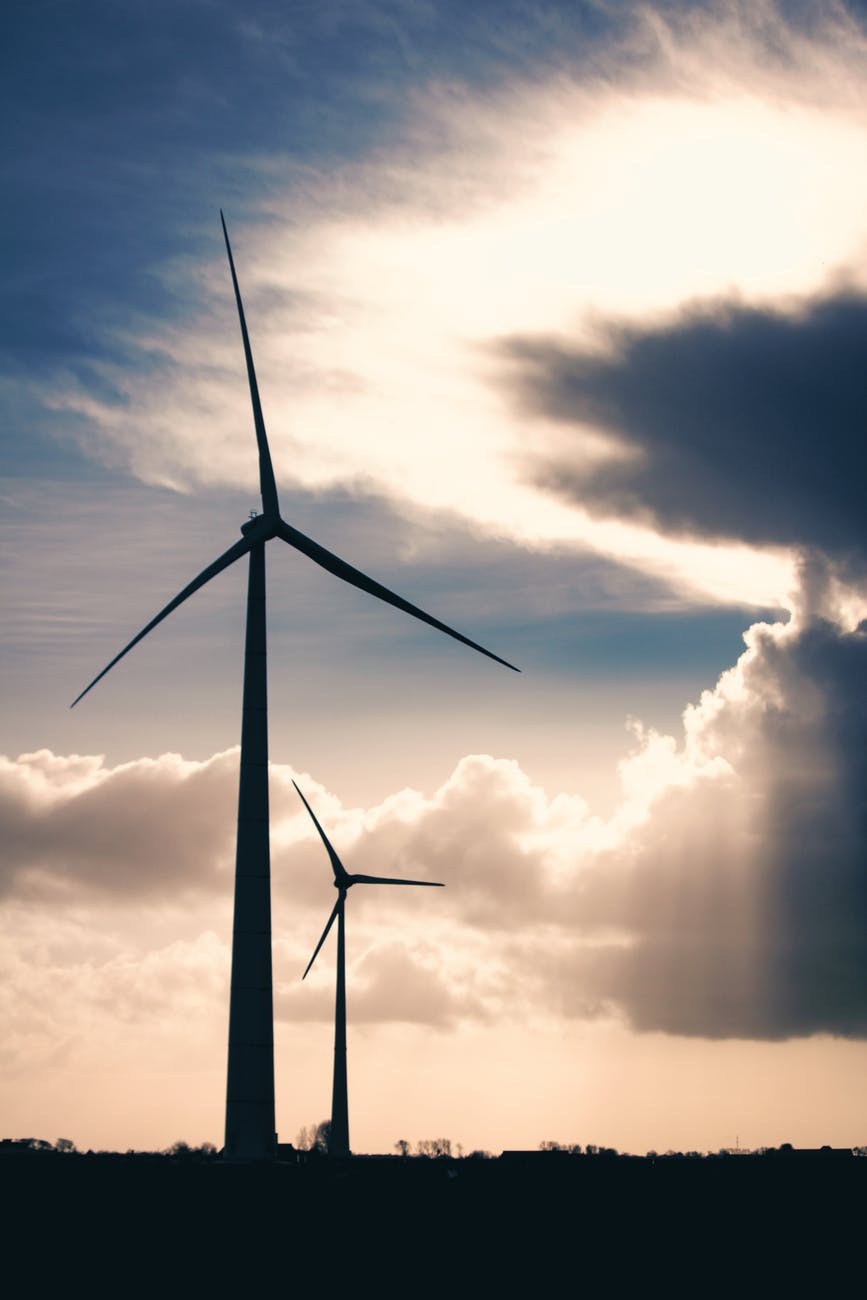
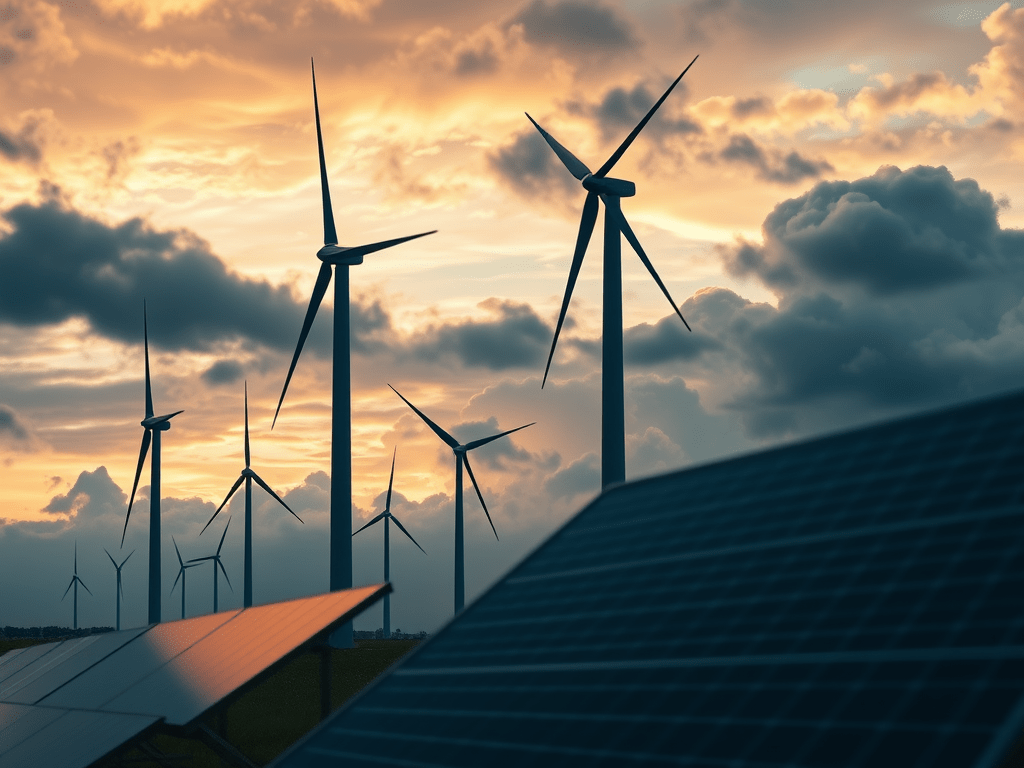
A key part of their appeal focuses on accelerating the development of wind energy. The ministers stressed that many wind power projects are being delayed due to bureaucratic procedures and regulatory barriers. They called on the federal government to remove these obstacles and significantly increase the tender volumes for wind power projects in the coming years. The states also supported a proposal from Bavaria to introduce a dedicated tender for onshore wind projects in 2026 in order to boost capacity .
In addition to wind energy, the ministers emphasized the importance of strengthening Europe’s solar manufacturing sector. They said Germany should play a key role in building a competitive European photovoltaic value chain so that more solar equipment can be produced within the continent. According to the ministers, maintaining a strong regional solar industry would help reduce dependence on imports and support long-term energy security. They also warned the federal government against reducing existing incentives for residential solar installations, which they described as an essential part of the country’s renewable energy expansion.
The state leaders also raised concerns about a proposed government “grid package.” Under this proposal, areas with high renewable curtailment could be classified as “capacity limited” for up to ten years. The ministers argued that such measures could discourage investment in renewable projects by creating uncertainty for developers.
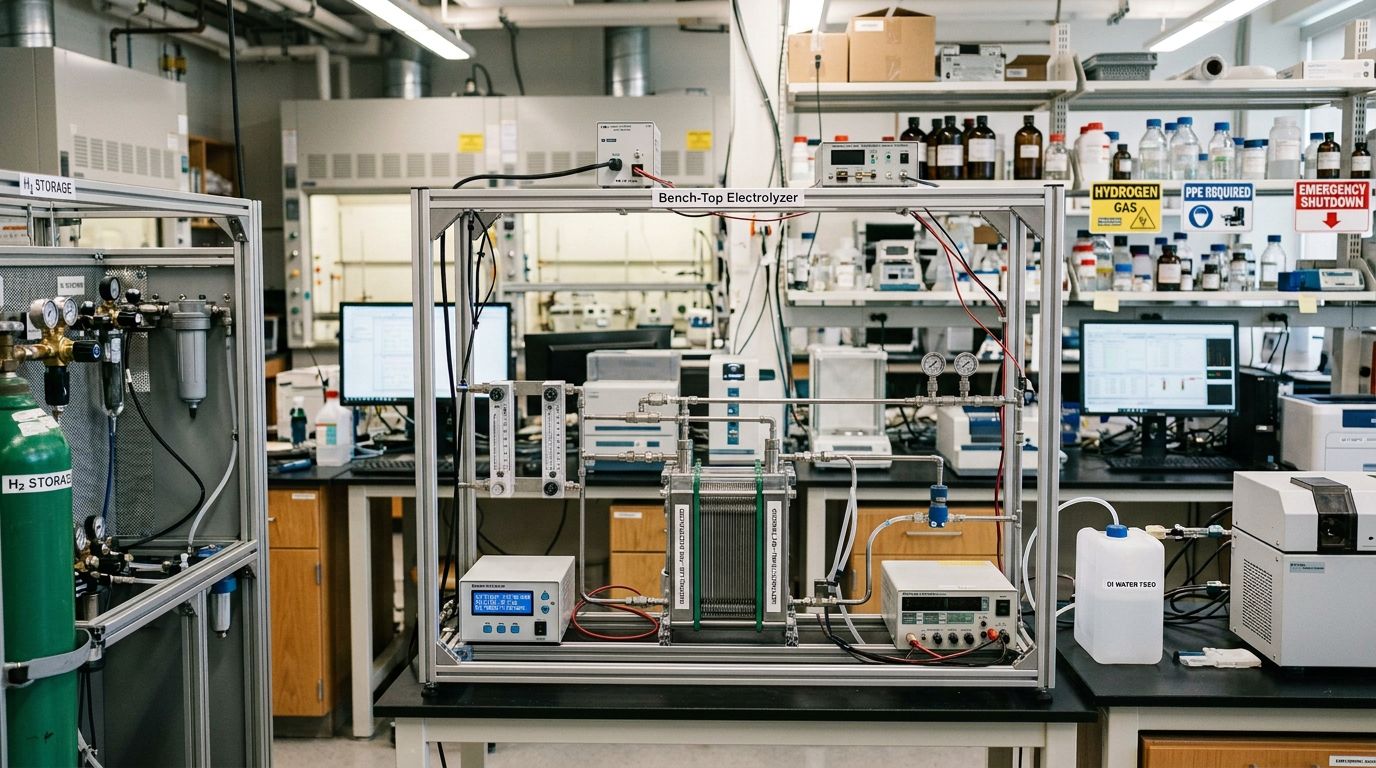
Instead of restricting new renewable installations, they suggested alternative solutions to manage grid congestion. These include using surplus electricity for hydrogen production through electrolysis and expanding large-scale battery storage systems to balance supply and demand.
By proposing these measures, the ministers said Germany has an opportunity to turn the current global energy uncertainty into a catalyst for faster energy transformation. They believe that accelerating renewable energy deployment and building stronger green infrastructure will help protect the country from external shocks and ensure a more stable and self-reliant energy future.
Subscribe to get the latest posts sent to your email.