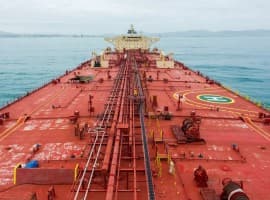
Saudi Arabia is offering crude oil on the spot market in an unusual move prompted by the almost complete freeze on tanker traffic in the Strait of Hormuz, Bloomberg has reported, citing unnamed trading sources.
So far, the kingdom has offered about 4.6 million barrels of Arab Extra Light, Arab Heavy, and Arab Light, the flagship grade, the sources told Bloomberg.
Several hundred tankers remain stranded in the Persian Gulf because of the disruption. According to marine traffic tracking firm Windward, only three vessels passed the Strait of Hormuz on Saturday, with only one of them an oil tanker. That’s down from a seven-day average vessel traffic of 13.43, and down from about 100 before the war began.
Saudi Arabia has rerouted its oil exports from the Persian Gulf to the Red Sea via a pipeline, unable to place its usual shipments via long-term contracts, Bloomberg noted in its report.
Saudi Arabia had started ramping up its oil production in anticipation of the U.S. and Israeli strikes on Iran. The assumption appears to have been that traffic will not be affected by the military action. With the disruption a fact, Saudi export shipments from Yanbu on its west coast have gone up to 2.3 million barrels daily since the start of March, Bloomberg also reported. This is 50% above average daily levels for any month since the end of 2016.
Meanwhile, Saudi Arabia’s defense ministry reported earlier today it had intercepted a number of drones targeting the Shaybah oil field, in evidence that Iran’s campaign on oil infrastructure in the region continues. The said campaign has already fueled an oil price rally to multi-year highs, with both Brent crude and WTI above $100 per barrel. The rally—and the supply squeeze behind it—have also forced G7 to consider a joint release of oil from OECD stockpiles.
By Irina Slav for Oilprice.com
More Top Reads From Oilprice.com
- Oil Prices Surge Past $100 as Iran Names New Supreme Leader
- U.S. Gasoline Surges to Highest Under Trump as Iran War Roils Oil Market
- Europe’s Gas Price Set for Largest Weekly Gain in Three Years