MNRE Mandates Aadhaar Authentication For PM-Surya Ghar Rooftop Solar Subsidy Scheme

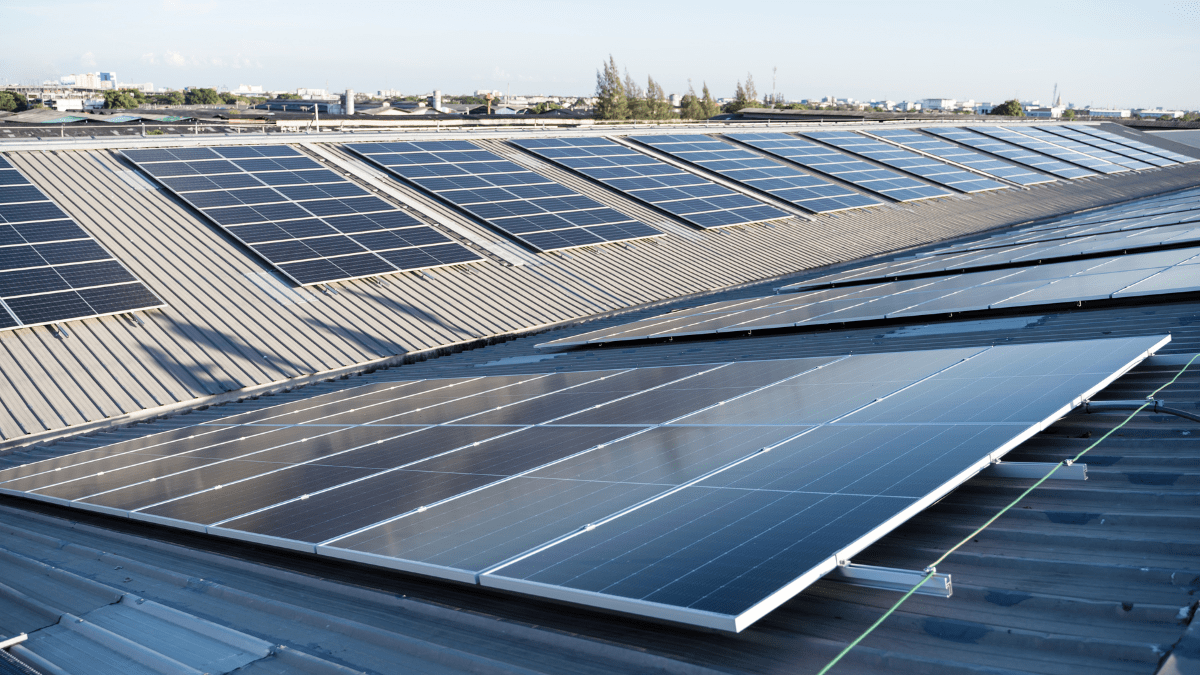
Representational image. Credit: Canva

The Government of India has introduced a key update to its flagship rooftop solar initiative, the PM-Surya Ghar: Muft Bijli Yojana, by making Aadhaar authentication mandatory for all subsidy applicants. The move, announced through a recent notification by the Ministry of New and Renewable Energy (MNRE), is aimed at improving transparency, preventing duplication, and ensuring that financial benefits reach the rightful beneficiaries.

Under the revised guidelines, individuals applying for rooftop solar subsidies must now provide their Aadhaar number or complete Aadhaar-based authentication. This verification step has been integrated into the application process to strengthen identity validation and streamline subsidy disbursement. However, the government has also provided some flexibility for those who do not yet possess an Aadhaar card. Such applicants can temporarily apply using an Aadhaar enrolment slip along with other valid identity documents such as a PAN card, Voter ID, or Passport. Despite this relaxation, authorities intend to eventually transition all beneficiaries to a fully Aadhaar-linked system.

The PM-Surya Ghar scheme is a major national initiative designed to provide free electricity to one crore households by promoting rooftop solar installations. By generating their own power, households can significantly reduce their electricity bills while also contributing to India’s broader renewable energy goals. To support this transition, the government offers subsidies that cover a portion of the installation costs, making solar energy more accessible and affordable.

With the integration of Aadhaar, the government aims to further enhance the efficiency of the Direct Benefit Transfer (DBT) system. Subsidy amounts will be directly credited to the verified bank accounts of beneficiaries, minimizing delays and reducing the chances of fund leakage. Officials believe that linking Aadhaar will ensure that only genuine applicants receive financial assistance, thereby strengthening accountability within the system.

The introduction of Aadhaar authentication is also part of the Centre’s wider effort to digitize public services and reduce reliance on intermediaries. By creating a secure, biometric-based verification framework, the government can better track installations and maintain accurate data on solar adoption across the country. This data will play a crucial role in future energy planning and grid management.

For applicants, the process remains user-friendly. Citizens can continue to apply through the national portal, where Aadhaar verification has now become a standard requirement. The government expects that these measures will not only safeguard public funds but also accelerate the adoption of rooftop solar systems, supporting India’s transition toward cleaner and more sustainable energy.


Subscribe to get the latest posts sent to your email.
 

  • Related Posts

    Middle East Weekly: Oman Plans Musandam RE Study, Kuwait Fund Backs 11 MW Solar, L&T Wins 6 GWh BESS Order, ACWA–KOWEPO Partner on RE, NHC–EDF Partner on Clean Energy, ACWA Signs 6 GWh BESS, Masdar Starts 35 MW BESS, Saudi Signs 2 GW BESS Deals

    Oman’s Nama Power and Water Procurement Company (PWP) has issued an RFP for a techno-economic feasibility study to assess renewable energy opportunities in the Musandam Governorate. The study will evaluate…

    ACME Solar Commissions 15 MW/240.752 MWh BESS Project In Rajasthan

    ACME Solar Holdings Limited has announced the successful commissioning of a 15 MW/240.752 MWh Battery Energy Storage System (BESS) project in Rajasthan. The project was commissioned on August 27, 2026,…

    Have You Seen?

    Trump says Venezuelan oil will be used to refill U.S. Strategic Petroleum Reserve

    • August 30, 2026
    Trump says Venezuelan oil will be used to refill U.S. Strategic Petroleum Reserve

    Middle East Weekly: Oman Plans Musandam RE Study, Kuwait Fund Backs 11 MW Solar, L&T Wins 6 GWh BESS Order, ACWA–KOWEPO Partner on RE, NHC–EDF Partner on Clean Energy, ACWA Signs 6 GWh BESS, Masdar Starts 35 MW BESS, Saudi Signs 2 GW BESS Deals

    • August 29, 2026
    Middle East Weekly: Oman Plans Musandam RE Study, Kuwait Fund Backs 11 MW Solar, L&T Wins 6 GWh BESS Order, ACWA–KOWEPO Partner on RE, NHC–EDF Partner on Clean Energy, ACWA Signs 6 GWh BESS, Masdar Starts 35 MW BESS, Saudi Signs 2 GW BESS Deals

    ACME Solar Commissions 15 MW/240.752 MWh BESS Project In Rajasthan

    • August 29, 2026
    ACME Solar Commissions 15 MW/240.752 MWh BESS Project In Rajasthan

    SMBC Reaches Financial Close on JSW Energy’s 210 MW Hybrid Renewable Energy Project in Maharashtra

    • August 29, 2026
    SMBC Reaches Financial Close on JSW Energy’s 210 MW Hybrid Renewable Energy Project in Maharashtra

    SECI Invites Cybersecurity Auditors To Strengthen Renewable Energy Sector Security

    • August 29, 2026
    SECI Invites Cybersecurity Auditors To Strengthen Renewable Energy Sector Security

    The Lifeline of Solar: Why the Right Cable Matters  

    • August 29, 2026
    The Lifeline of Solar: Why the Right Cable Matters  

    Ukraine Drones Spark Fire at Russian Refinery as Fuel Crisis Worsens

    • August 29, 2026
    Ukraine Drones Spark Fire at Russian Refinery as Fuel Crisis Worsens

    India Surpasses 300 GW of Non-Fossil Power Capacity

    • August 28, 2026
    India Surpasses 300 GW of Non-Fossil Power Capacity

    Pakistan’s Five Refineries Set for $6 Billion Upgrade Push

    • August 28, 2026
    Pakistan’s Five Refineries Set for $6 Billion Upgrade Push

    Amazon Nears 1 GW of Wind Power in Sweden With Four New Deals

    • August 28, 2026
    Amazon Nears 1 GW of Wind Power in Sweden With Four New Deals