The world’s top oil and gas companies slashed investments in green energy in 2025 from a year earlier, for the first decline in their spending on low-carbon energy solutions since 2017, a new report by BloombergNEF showed on Wednesday.
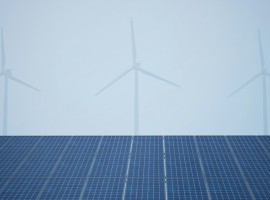
Last year, the largest oil and gas firms slashed investments in green energy by more than one-third: to $25.7 billion, down from $38.2 billion in 2024, the report found.
The supermajors are now prioritizing their core oil and gas operations which are more profitable than renewables, while regulatory backlash against projects such as offshore wind in the United States have also dampened Big Oil’s enthusiasm.
After spending the early 2020s promising a gradual reduction in fossil fuel production and billions of U.S. dollars in low-carbon energy investments, Europe’s biggest oil and gas firms have dramatically changed their priorities as the energy transition proved much slower than anticipated and the 2022 energy crisis exposed shortfalls in conventional energy supply.
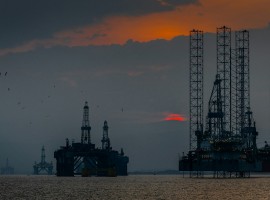
European majors BP and Shell reversed their pledges from the early 2020s to reduce oil and gas production by the end of the decade. Last year marked the return to boosting oil and gas investment and production, and with it—increased exploration efforts in key basins and promising new frontiers.
Related: The U.S. Just Took a Giant Step in The Rare Earth Race With China
The European majors scaled back billions of dollars of investment in renewables and are now looking to bolster their oil and gas reserves portfolios. BP and Shell realized that the energy transition faces bigger hurdles than expected and doesn’t pay off in profit margins and shareholder payouts the way oil and gas does.
Shell’s chief executive Wael Sawan has said that reducing global oil and gas production would be “dangerous and irresponsible”.
The U.S. supermajors, ExxonMobil and Chevron, did not have to pivot back to oil and gas – they weren’t going in the renewable energy direction anyway. Both companies have been boosting oil and gas exploration and production and seek to add advantaged resources to their portfolios to increase reserves.
By Tsvetana Paraskova for Oilprice.com
More Top Reads From Oilprice.com
- UAE Halts Shah Gas Field After Iranian Drone Attack
- U.S. Waiver Fuels Surge in India’s Russian Crude Imports
- Tehran’s Oil Exports Remain Resilient as Iranian Crude Passes Hormuz