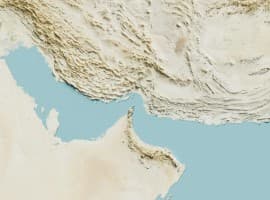
Iran’s oil exports haven’t collapsed since the war in the Middle East began—Tehran continues to ship its oil through the Strait of Hormuz while targeting and warning tankers carrying crude from its Gulf neighbors that their ships would be blown up if they attempt to cross the Strait.
Since March 1, the day after the U.S. and Israel started bombing Iran and killed the Ayatollah, Iran’s crude oil exports have averaged around 1.2 million barrels per day (bpd), according to data from Kpler cited by Bloomberg. That’s not a major slump compared to about 1.5 million bpd in exports from the Strait of Hormuz before the war.
The data suggest that the world’s most vital oil chokepoint is open, for Iranian crude, and at Iran’s discretion for other supply.
Iranian crude volumes accounted for nearly three-quarters of the 27.2 million barrels that have passed outbound through the Strait of Hormuz since March 1, according to Kpler’s data.
While Iran’s exports remain relatively resilient, oil flows through the Strait of Hormuz from other countries in the Gulf have collapsed to just 400,000 bpd, a tiny fraction of the 14 million bpd that passed the chokepoint outbound to their destinations before the war.
Related: How China’s Rare Earth Ban Backfired into a U.S. Tech Breakthrough
An estimated at least 89 ships crossed the Strait of Hormuz between March 1 and 15, including 16 oil tankers, according to Lloyd’s List Intelligence data cited by AP.
To put into perspective this traffic of 89 ships for a fortnight, it should be noted that about 100 vessels, including oil tankers, were passing through the Strait of Hormuz every single day before the war, which set fire to the world’s most-important oil producing region.
Apart from sending tankers through the Strait of Hormuz, Iran is also adapting its export strategy. An Iranian crude shipment observed from the Kooh Mobarak terminal which is located east of the Strait of Hormuz, “demonstrates a clear effort to bypass the chokepoint entirely and maintain oil flows despite maritime disruption,” maritime AI company Windward said on Tuesday.
By Tsvetana Paraskova for Oilprice.com
More Top Reads From Oilprice.com
- Oil Price Shock Forces India’s Top Refiners to Suspend Fuel Credit
- UAE Halts Shah Gas Field After Iranian Drone Attack
- U.S. Waiver Fuels Surge in India’s Russian Crude Imports