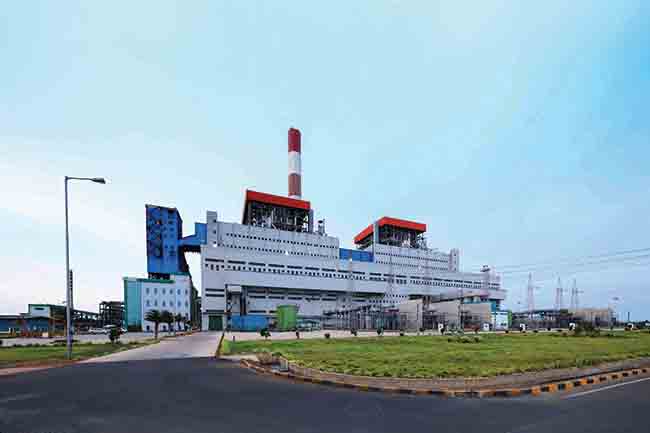
A fact sheet published by the U.S. Dept. of the Interior notes a $1-billion agreement between Hyundai Heavy Industries Power Systems and developers of the proposed 1.25-GW Terra Energy Center, a new 1.25-GW coal-fired power plant in Alaska. Officials on March 16 said the Terra Energy Center would be the first new coal-fired station built in the U.S. in more than a decade.
The Interior Dept. said the in-principal deal for an order of boilers for the facility is one of several energy-related agreements discussed during the recent Indo-Pacific Energy Security Ministerial and Business Forum in Tokyo, Japan, earlier this month. Coal-fired power has been declining in the U.S. and most of the world in recent years as countries move toward cleaner and more efficient forms of electricity generation.
The Interior Dept. said South Korea-based private equity group Koreit will make a $500-million equity investment in the Terra Energy Center project. Officials said the deal marks the first order of utility-scale boilers for a U.S.-based coal-fired power plant since 2006. The Terra Energy Center is reportedly being developed by Flatlands Energy.
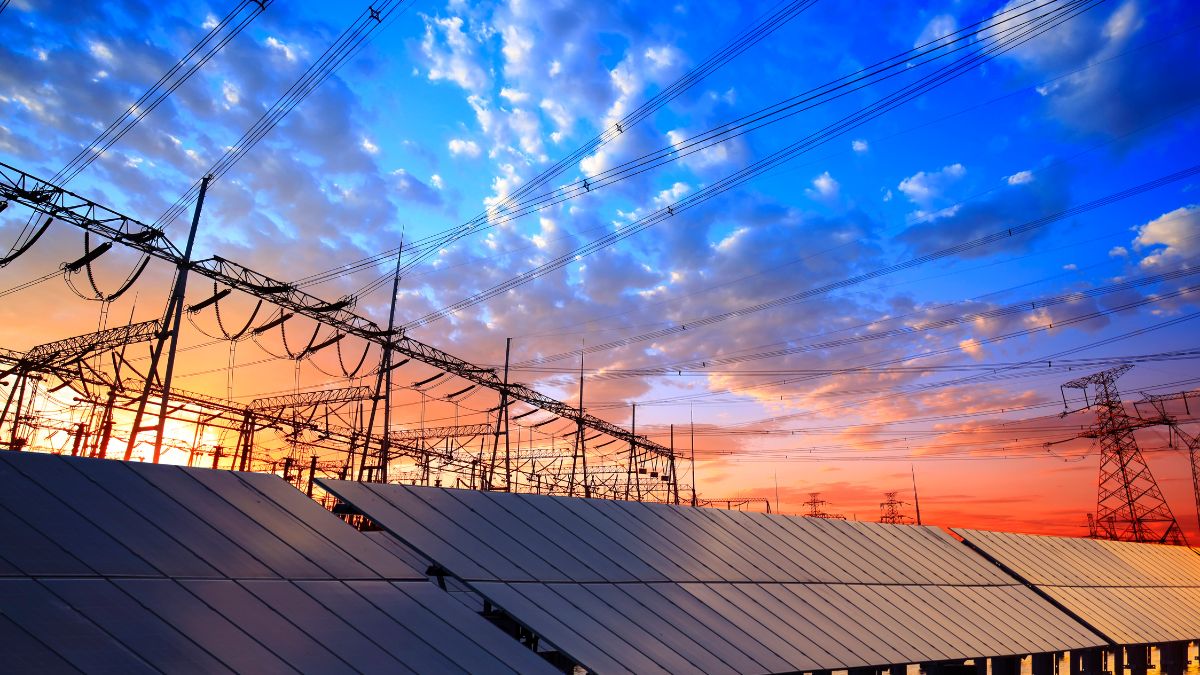
The Trump administration has made support of fossil fuels paramount for its energy strategy. That includes moves to keep coal-fired power plants, several of which were scheduled for retirement, operating under emergency orders. The administration also has taken actions that have a negative impact on renewable energy, although solar power continues to
Government data shows coal-fired power generation accounts for about 16% of the U.S. energy supply. Natural gas-fired power plants supply more than 40% of the nation’s electricity, with nuclear power at about 19%, according to the U.S. Energy Information Administration.
The most recent new coal-fired power plant project completed in the U.S. is the 932-MW Sandy Creek station in Texas, which entered service in 2013. The Electric Reliability Council of Texas, the grid operator in that state, last year said Sandy Creek—located near Waco—would be offline until at least March 2027 due to what officials called an equipment failure.
—Darrell Proctor is a senior editor for POWER.