President Donald Trump said the war in Iran is “very close” to completion, even as he said the US plans to launch fresh attacks on the country within the next two to three weeks.
Trump in a rare prime-time address on Wednesday cast the war as a success, saying the operation had nearly achieved its military goals, including destroying Iranian ballistic missiles and drones, air force, navy and industrial base. He said those steps would prevent Tehran’s proxies from destabilizing the region and cut off the country’s path to nuclear weapons.
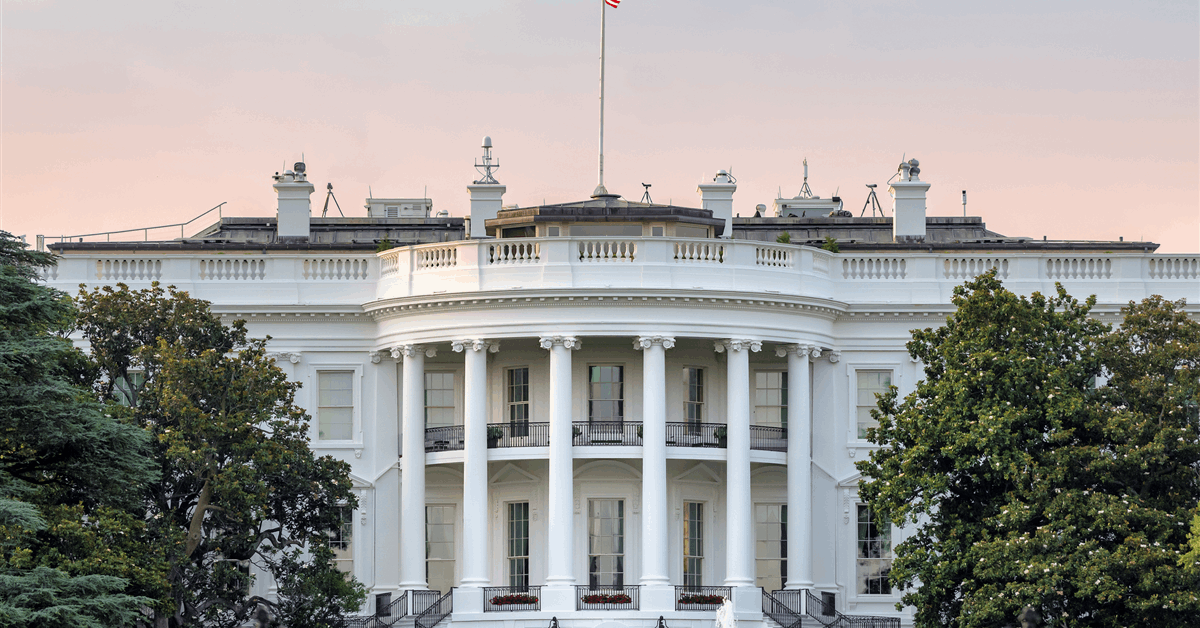
“Tonight I’m pleased to say that these core strategic objectives are nearing completion,” Trump said from the White House in a roughly 20-minute speech. “We are going to finish the job. and we’re going to finish it very fast, we’re getting very close.”
The speech came as the president is grasping for an off-ramp in a conflict that has quickly slipped out of control.
Rather than reassuring markets that he could bring the war to a swift end, some of his remarks appeared to rattle investors. Treasury yields climbed and the dollar pushed higher as Trump’s comments triggered gains in crude oil. US equity futures retreated.
The president said that military operations could soon escalate, stating that “over the next two to three weeks, we’re going to bring them back to the stone ages where they belong.”
He suggested diplomacy would continue, adding, “in the meantime, discussions are ongoing.” But if there is no deal, Trump threatened to “hit each and every one of their electric generating plants very hard and probably simultaneously.”
Ahead of Trump’s address, Iranian President Masoud Pezeshkian took the unusual step of releasing a letter addressed to Americans, arguing that his country had no enmity with the US. He warned that “continuing along the path of confrontation is more costly and futile than ever before” and said that attacks on infrastructure — including on energy and industrial sites — directly targeted the Iranian people.
Rodrigo Catril, a currency strategist at National Australia Bank Ltd., said Trump’s escalate to de-escalate strategy “is not riskless.”
“The market is seemingly focusing on the idea that the war has not ended, the US is looking for escalation and hoping that will force Iran to make a deal,” Catril said.
The Strait of Hormuz, a critical waterway for one-fifth of seaborne oil, has been largely closed since the start of hostilities, presenting a major economic pain point. The strait’s status has traders on edge with Brent crude — the international oil benchmark — surging about 60% since the war began and US gasoline topping $4 a gallon.
Trump has insisted the energy shocks will ease once the war is over but he did not lay out a plan in the speech for how the US would convince Iran to let traffic resume through the strait. He exhorted allies who rely on Middle Eastern oil supplies to “take care of that passage.”
“They must grab it and cherish it,” he said.
Political Risks
Trump’s decision to address the nation highlights the growing pressure he’s facing to make his war aims more clear to the American public.
In some ways, the speech sounded like one a president traditionally gives at the outset of a conflict, not more than a month in. He opened his remarks by saying he wanted to “discuss why Operation Epic Fury is necessary for the safety of America and the security of the free world.”
A prolonged conflict carries political risks for Trump and his Republican Party ahead of the November midterms to determine control of Congress. Polls show significant numbers of Americans already disapprove of the conflict with Iran, another headwind for Republicans already struggling to reverse voters’ poor perceptions of Trump’s economic agenda. The war threatens to exacerbate worries about high costs of living.
Trump on Wednesday urged Americans to show patience with the progress of the war and to “keep this conflict in perspective,” saying that US involvement in World War I, World War II, the Korean War, Vietnam War and the Iraq War all lasted for years, while the Iran conflict had only lasted 32 days.
The president also mourned the loss of the 13 US service members killed in the conflict, but said their deaths had only stiffened his resolve to continue the fight until his objectives were met.
Trump and his advisers have given mixed messages about the war since its inception.
He has said that the war would end quickly, only to make more threats against Iran. He also said he is open to a deal with the Islamic Republic, only to say that one was not necessary to end the war.
The president has also given mixed messages about US allies, saying both that Washington did not need their help while also lambasting them for not stepping in. Early in the conflict, Trump said he wanted regime change and a hand in choosing Iran’s new leadership, only to later argue that regime change had occurred when waves of strikes killed top military and political officials.
The political leanings and theology of the Iranian regime remain unchanged.