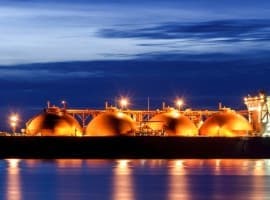
Japan’s JERA and Commonwealth LNG have terminated a deal for the supply of liquefied gas to the Japanese firm, Reuters has reported, citing a filing with the U.S. Department of Energy. Neither company gave reasons for the termination.
The deal was inked last June, for a period of 20 years, for volumes of 1 million tons annually. Commonwealth LNG planned first production in 2029 at the time, but later in the year pushed the start of production forward to 2031. The company blamed the temporary ban on new liquefied natural gas capacity that the Biden administration imposed on the industry in its final year, following a report by an environmentalist that claimed LNG is more harmful than coal for the atmosphere.
The Japanese major, which is the largest buyer of liquefied natural gas in the world, last year presented plans to triple its purchases from the United States to as much as 5.5 million tons annually. That would have been a 10% increase on its current imports from the U.S., making up a third of its total LNG purchases.
The purchases were to be made under long-term contracts, with deliveries starting from 2030. Half of the contracted amount, or 2.5 million tons annually, was part of non-binding agreements. The LNG producers involved in the deals included Cheniere Energy and Sempra Infrastructure, besides Commonwealth LNG.
Japan is urgently seeking to secure as much energy supply as it can amid the ongoing crisis with Middle Eastern supply. As part of these efforts, the government relaxed restrictions on coal power generation for one year, starting this month.
“There is increasing uncertainty about future LNG procurement. We believe that it is necessary to increase the operation of coal-fired power plants and save LNG fuel,” an official from Japan’s industry ministry said last month.
By Irina Slav for Oilprice.com
More Top Reads From Oilprice.com
- Oil Majors Eye U.S. Offshore Asset as Supply Crunch Intensifies
- OPEC+ Prepares Paper Oil Barrels While Exports Stall
- Traders Ramp Up Bearish Oil Bets To Nearly $1 Billion