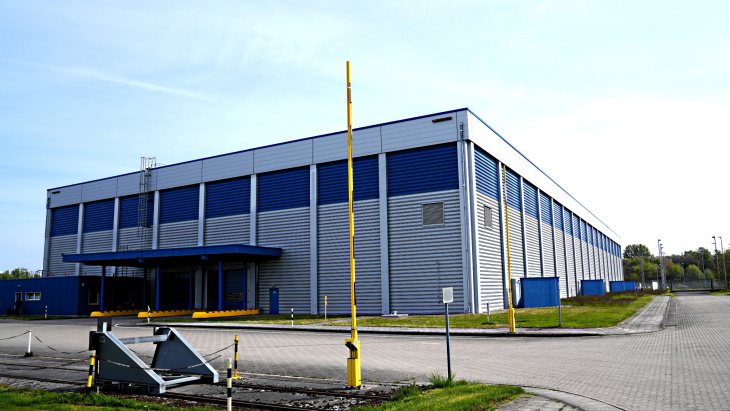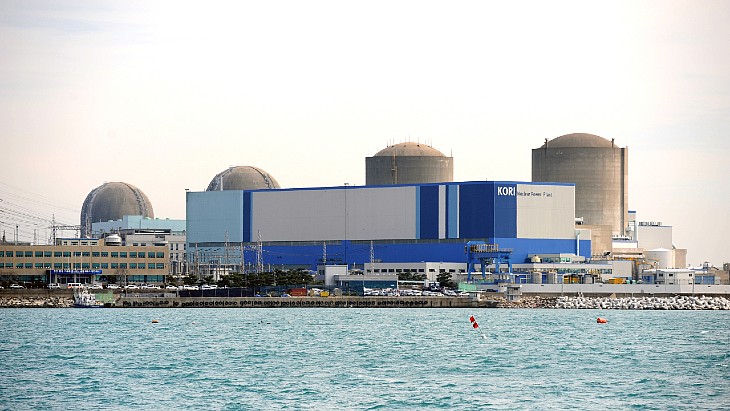
The company said the unit resumed operations on 4 April “after successfully completing a 35-month facility improvement project for continued operation”. During the shutdown period, facility improvements and safety inspections were carried out to enhance the power plant’s safety and performance.
Kori unit 2 – South Korea’s second nuclear power reactor – began commercial operation in August 1983. The 685 MWe pressurised water reactor’s operating permit expired on 8 April 2023, and it has remained offline since. Korea Hydro & Nuclear Power (KHNP) submitted a safety assessment report for continued operation of Kori 2 in April 2022 and applied for a permit for continued operation, including the results of a public opinion survey on the radiation environmental impact assessment.
The Nuclear Safety and Security Commission (NSSC) approved the continued operation of Kori unit 2 until 2033 in November last year and gave KHNP permission to restart the reactor last week following final inspections.
“In a situation where energy supply instability persists, the continued operation of nuclear power plants based on safety is an important means of securing national energy security,” said KHNP President Kim Hoe-cheon. “Starting with the successful continued operation of Kori Unit 2, we will thoroughly prepare for the continued operation of the nine nuclear power plants currently underway to do our best to ensure a stable power supply, and through this, we will strive to contribute to the national economy and carbon neutrality.”
KHNP is currently submitting safety assessment reports for the continued operation of nine other nuclear power units (Kori 3 and 4, Hanbit 1 and 2, Hanul 1 and 2, and Wolsong 2, 3, and 4), whose operating licences expire before 2030, to the NSSC for review.
Operation of units 3 and 4 at the Kori plant was suspended in September 2024 and August last year, respectively, as their 40-year design lives had expired.
Unit 1 of the Kori plant was permanently shut down in June 2017, after 40 years of operation, and become the first South Korean reactor to enter decommissioning. KHNP submitted its application to dismantle the unit to the NSSC in May 2021. The regulator approved the decommissioning of Kori 1 in June last year.
“As Kori unit 2 serves as the lead power plant among the 10 nuclear power plants pursuing continued operation with licences expiring by 2030, KHNP plans to ensure even safer continued operation for the subsequent nine plants, including Kori units 3 and 4, by thoroughly implementing safety reviews by regulatory authorities and facility upgrades to enhance performance,” the company said.