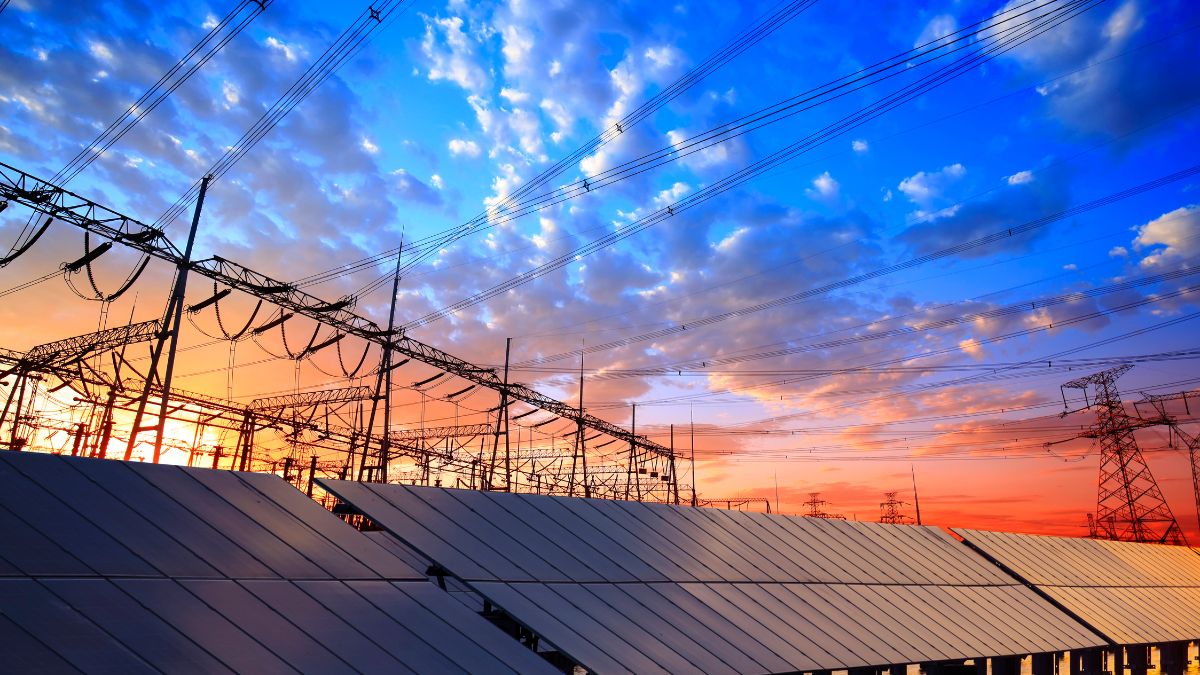
The government of South Australia has taken a major step toward accelerating clean energy development by opening more than 11,000 square kilometres of land for renewable energy investment. The move comes under the state’s pioneering Hydrogen and Renewable Energy Act 2023, which aims to create a structured and sustainable pathway for large-scale green energy projects.
Investors have been invited to apply for renewable energy feasibility licences across two newly released zones—Gawler Ranges East and Whyalla West. These areas are considered highly attractive due to their strong combination of wind and solar resources, making them ideal for large-scale renewable energy generation. According to estimates, projects developed in these regions could collectively generate enough electricity to power more than 500,000 homes.
The Gawler Ranges East area covers approximately 5,200 square kilometres on the Upper Eyre Peninsula, while the Whyalla West zone spans about 6,500 square kilometres in the Upper Spencer Gulf region. Together, these zones represent a significant expansion of land available for renewable development in the state.
The tender process for both areas is open until 28 June 2026, giving applicants a 13-week window to prepare and submit their proposals. During this period, developers are expected to engage with native title holders and local stakeholders to ensure inclusive planning and agreement-building. Notably, the government has not restricted applicants to specific technologies, allowing flexibility for proposals that best optimise land use and renewable resource potential.
Applicants will be evaluated based on several criteria, including their project delivery timelines, industry experience, environmental management plans, and the overall benefits their proposals will bring to the state and traditional landowners. This approach is designed to ensure that projects are not only technically viable but also socially and environmentally responsible.
The Hydrogen and Renewable Energy Act allows designated areas of pastoral land, Crown land, and state waters to be developed for renewable purposes. It also emphasizes balancing development with existing land uses and regional priorities. Authorities have conducted extensive consultations with pastoralists, native title groups, and local communities before identifying these release areas.
Additionally, the Department for Energy and Mining has worked with experts across government to ensure that environmental and cultural safeguards are embedded within the development framework. These include protections for heritage sites and native vegetation, ensuring that growth in renewable energy does not come at the cost of ecological or cultural values.
This initiative highlights South Australia’s continued leadership in renewable energy and its commitment to attracting investment while promoting sustainable and inclusive development.
Subscribe to get the latest posts sent to your email.