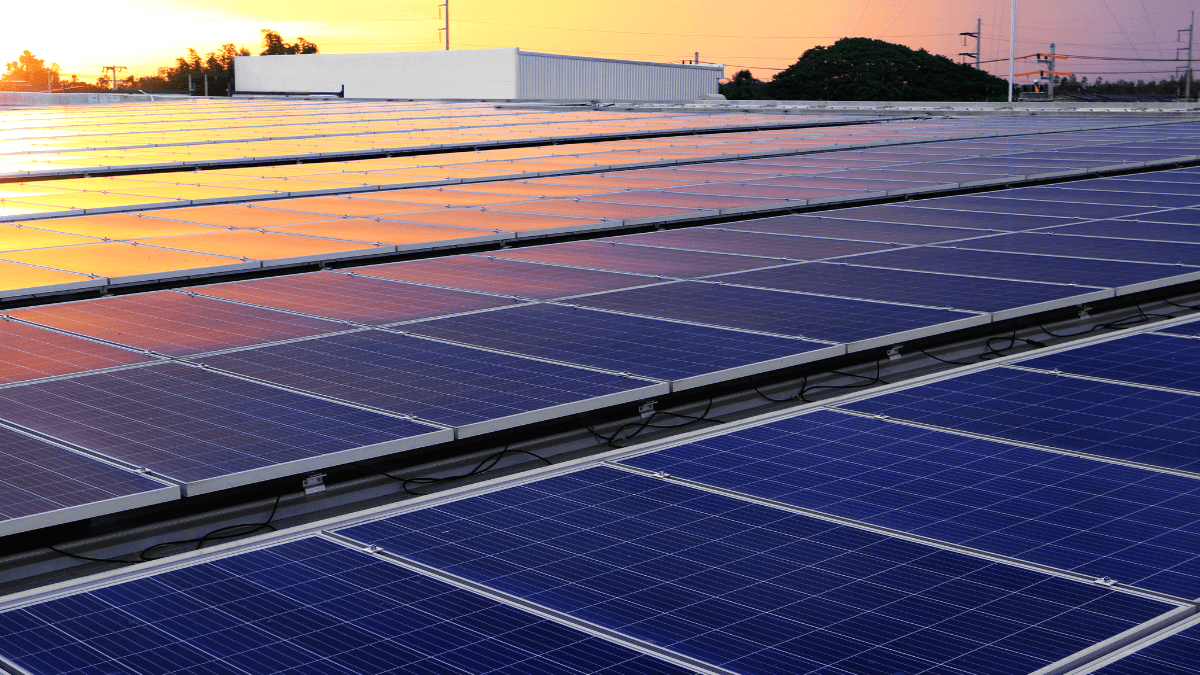
Australia’s rooftop solar market has reached a new high, with strong growth seen across the country in March 2026. According to recent data, about 341 megawatts of small-scale solar capacity was added during the month. This marks a rise of nearly 20 percent compared to February and puts the market far ahead of the same period last year. The sharp increase has created optimism that 2026 could become a record-breaking year for rooftop solar installations in the country.
One of the main reasons behind this rapid growth is the federal government’s Cheaper Home Batteries Program. The scheme, supported by a large budget, provides attractive rebates for households that install battery storage systems along with solar panels. In less than a year since its launch, the program has already supported the installation of around 300,000 home batteries. Industry experts believe that the growing interest in battery storage is also encouraging homeowners to install larger solar systems so they can generate enough power to charge these batteries efficiently.
The growth trend was seen across all states and territories. Regions like the Northern Territory and New South Wales recorded the highest increases. New South Wales, in particular, achieved a new record in battery installations, reflecting strong consumer demand. Most segments of the market showed positive movement, especially smaller systems below 50 kilowatts, which saw growth of over 20 percent.
Another important factor driving this surge is an upcoming change in the subsidy structure. Many homeowners and installers rushed to complete installations before May 1, 2026, when the current incentive scheme is set to change. At present, the program offers a flat discount based on system capacity. However, it will soon shift to a tiered pricing model, which may reduce the overall benefit for some users. This expected change pushed many buyers to act quickly and invest in larger systems while the existing rebates were still more attractive.
As a result, the average battery size installed during this period increased significantly, reaching around 40 kilowatt-hours. This shows that consumers are not only adopting solar energy but are also investing more in storage to gain greater energy independence.
Overall, the recent surge highlights how financial incentives and policy support can accelerate the adoption of clean energy. With record-breaking installations and rising interest in battery storage, Australia continues to strengthen its position as a global leader in rooftop solar, driven largely by household participation in the energy transition.
Subscribe to get the latest posts sent to your email.