Europe’s Russian LNG Reliance Surges Ahead of 2027 Ban

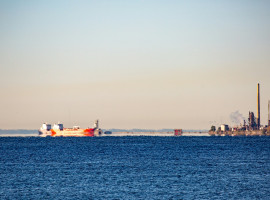
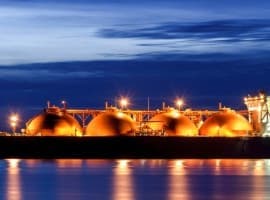
The European Union bought 97% of the liquefied natural gas produced at Novatek’s Yamal LNG facility over the first quarter of the year, raising certain questions about the pending ban on all Russian gas imports from next year.

Despite attempts to secure alternative supply and reduce its purchases of Russian energy altogether, the EU appears to have found it difficult to find that alternative supply at competitive prices, leading to a 17% increase in purchases from Yamal LNG, for a total of 5 million tons, according to data from Kpler cited by the Financial Times.

The EU bought 69 out of the 71 LNG cargoes shipped from the Yamal Peninsula in western Siberia between January and March, with 25 cargoes received in March alone—the highest monthly total for the quarter. The cargoes represented a total of 1.8 million tons of the superchilled fuel.

The publication also wrote that the bill for the Yamal LNG gas for the first quarter had come in at 2.88 billion amid soaring gas prices as a result of the disruption of energy flows out of the Middle East.

EU countries are now facing the first phase of the Russian gas ban, set to take effect on April 25, when EU buyers will be banned from buying Russian LNG under spot contracts. A full ban will take effect for LNG imports from the beginning of 2027 and for pipeline gas imports from the autumn of 2027.

The time of the ban is rather inconvenient in light of first-quarter purchases. European countries have depleted their gas storage and now need to start refilling them while demand for gas is seasonally low. But with spot deals for Russian LNG set for a ban, the availability of gas will be squeezed additionally, on top of the now-absent Qatari supply.

By Irina Slav for Oilprice.com

More Top Reads From Oilprice.com


  • Related Posts

    Iraq Devalues Dinar 14.5% as Hormuz Disruption Drains Oil Revenue

    Iraq devalued the dinar by 14.5% on Wednesday, setting the exchange rate at 1,520 per dollar after months of disruption to oil exports through the Strait of Hormuz cut into…

    South Korea Unveils $747 Billion Plan to Break Its Fossil Fuel Habit

    South Korea plans to invest as much as one quadrillion Korean won, or $747 billion, in renewable energy, EV uptake, and industry decarbonization by 2035 as it looks to address…

    Have You Seen?

    Iraq Devalues Dinar 14.5% as Hormuz Disruption Drains Oil Revenue

    • October 8, 2026
    Iraq Devalues Dinar 14.5% as Hormuz Disruption Drains Oil Revenue

    South Korea Unveils $747 Billion Plan to Break Its Fossil Fuel Habit

    • October 7, 2026
    South Korea Unveils $747 Billion Plan to Break Its Fossil Fuel Habit

    Shell’s Refining Margin Jumps 75% as Fuel Supplies Dry Up

    • October 7, 2026
    Shell’s Refining Margin Jumps 75% as Fuel Supplies Dry Up

    Norway Plans to Tap $63.7 Billion From Its Oil Fund in 2027

    • October 7, 2026
    Norway Plans to Tap $63.7 Billion From Its Oil Fund in 2027

    IEA Discusses G7’s 100 Million-Barrel Oil and Diesel Release

    • October 7, 2026
    IEA Discusses G7’s 100 Million-Barrel Oil and Diesel Release

    UK compressed gases body appoints new CEO

    • October 7, 2026
    UK compressed gases body appoints new CEO

    Chevron, Shell and BP Pull Workers From the Gulf Ahead of Hurricane

    • October 7, 2026
    Chevron, Shell and BP Pull Workers From the Gulf Ahead of Hurricane

    Australia’s High Court Blocks Major Coal Mine Expansion Over Emissions

    • October 7, 2026
    Australia’s High Court Blocks Major Coal Mine Expansion Over Emissions

    QatarEnergy Secures $3 Billion Loan From Chinese Banks as LNG Exports Stall

    • October 7, 2026
    QatarEnergy Secures $3 Billion Loan From Chinese Banks as LNG Exports Stall

    Europe’s Fuel Squeeze Is Turning Into a Q3 Windfall for Equinor

    • October 7, 2026
    Europe’s Fuel Squeeze Is Turning Into a Q3 Windfall for Equinor