ČEZ currently operates four VVER-440 units at Dukovany, which began operating between 1985 and 1987. Their output has gradually been increased from the original 440 MWe to 512 MWe through extensive modernisations. Ongoing modernisation work aims to ensure the units can operate for at least 60 years, to 2045-2047.
A CZK407 billion (USD19.6 billion) contract was signed with Korea Hydro & Nuclear Power last year for two of its APR1000 reactors near the existing Dukovany units. The aim is to start construction in 2029. Two more units at the Temelín plant are also being considered. There are also developing plans for small modular reactors in the country.
“We have planned to operate our nuclear power plants for about 60 years so far and we are convinced every day that they are in excellent condition,” said ČEZ CEO Daniel Beneš. “Current economic and safety analyses confirm that it will be possible to operate Dukovany for longer. Eighty-year operation is becoming a trend in the world, and a number of units have already been licensed for 80 years of operation. We see this as realistic for us as well, provided of course that the condition of the equipment and the safety of operation are regularly evaluated. Of course, this will not affect the project to build a new nuclear power plant at Dukovany and other small modular reactors. Electricity consumption will grow rapidly, and the Czech Republic will need as much emission-free electricity as possible.”
ČEZ said it regularly evaluates the future operation of its nuclear power plants using a technology and financial model, which assesses the technical condition of key components and the expected development of electricity prices and other inputs. “These analyses also indicate that the long-term operation of the Dukovany nuclear power plant is very well feasible,” it said.
“Every year we evaluate the conditions for further operation in great detail, and all key decisions are supervised by the State Office for Nuclear Safety,” said Bohdan Zronek, Director of ČEZ’s nuclear energy division. “In ten-year cycles, our nuclear power plants undergo detailed and demanding ‘periodic safety assessments’. Rigorous preparation and perfect knowledge of the condition of the plant is a prerequisite for any decision.”
The company noted that 80 years of operation encompasses extensive capital projects and upgrade programmes. These include, for example, the renewal of some elements of the engine rooms – generators as well as other large units, the reconstruction of selected piping routes, valves and electrical elements as well as the gradual introduction of new control and safety systems.
ČEZ said the extended operation of the Dukovany plant “is a step that significantly strengthens the energy security of the Czech Republic and confirms ČEZ’s long-term strategy as a stable and reliable supplier of low-emission electricity, even in times of dynamic changes on the energy market.”
The company said analyses are now being carried out on the potential extension of the Temelín plant’s operation. Two VVER-1000 units are in operation at Temelín, which came into operation in 2000 and 2002. The capacity of the two units has increased from the original 1,000 MWe per unit to 1,086 MWe.
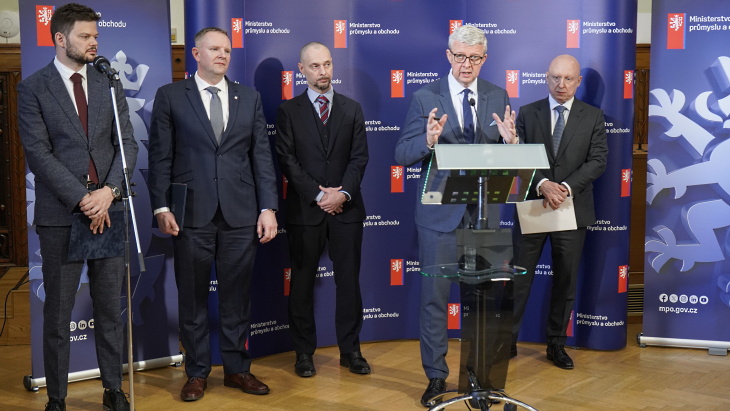
(Image: Ministry of Industry and Trade)
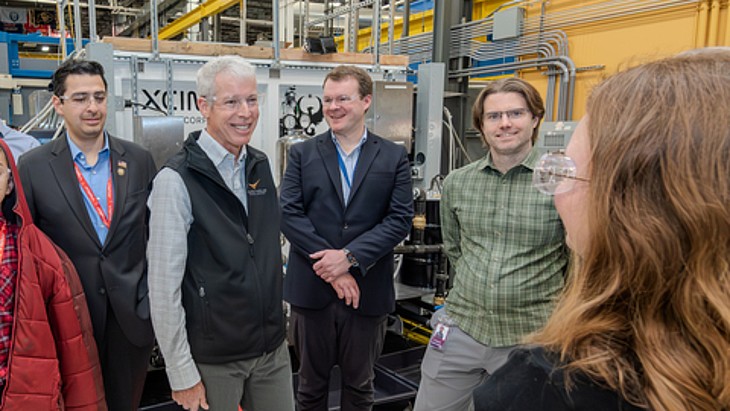
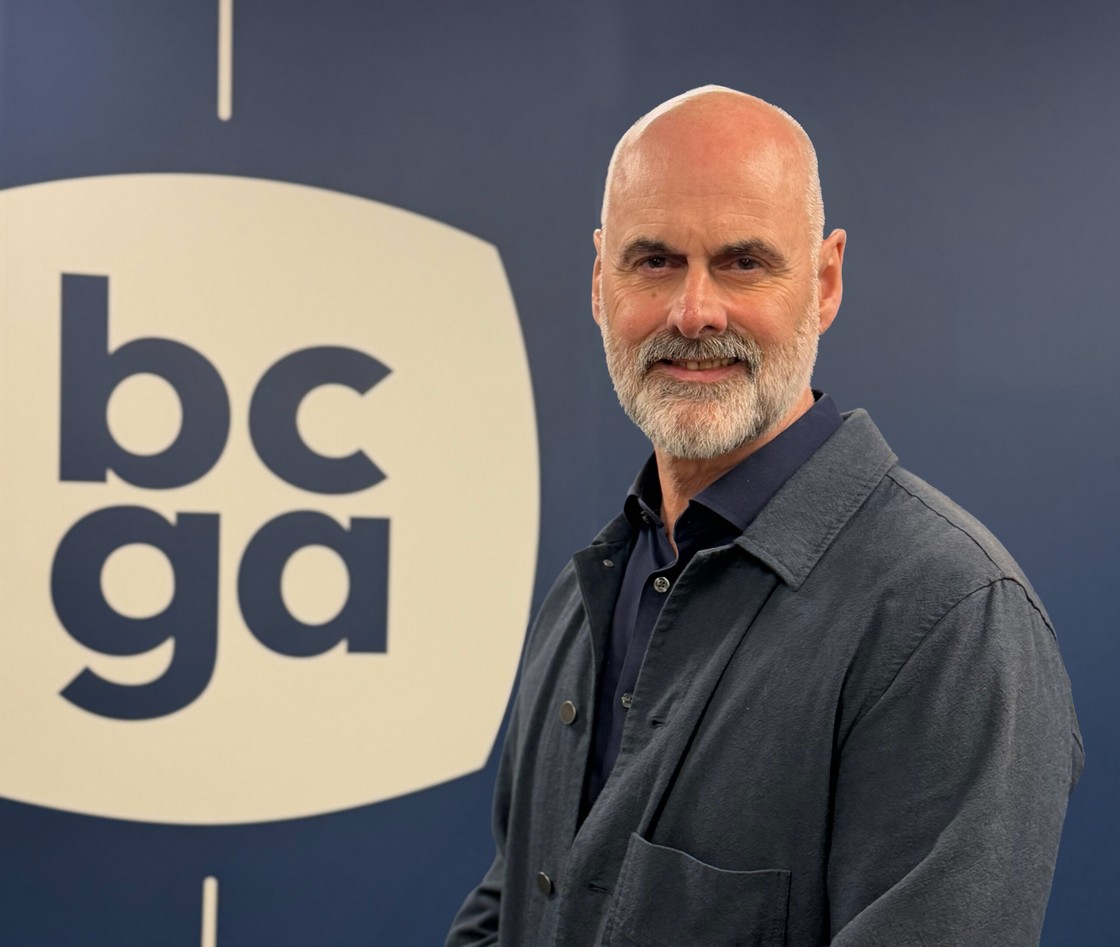
At a press conference to announce the possible extension of the operation of the Dukovany units, Minister of Industry and Trade Karel Havlíček said: “We must decide on future energy sources at the same time as how long we can safely and effectively operate the existing ones, especially nuclear units. The operation of Dukovany for up to 80 years is not a replacement for new units, but their logical addition within the framework of the Czech energy strategy. The Czech Republic has extraordinary know-how in nuclear energy and we can operate our power plants safely, efficiently and with a high degree of reliability. Therefore, it makes sense to prepare for the long-term operation of Dukovany up to the 80-year mark. At the same time, however, this does not change the need to continue the construction of new nuclear sources and the preparation of small modular reactors, because the Czech Republic will need stable, safe and competitive electricity in the maximum possible volume.”
Štěpán Kochánek, Chairman of the State Office for Nuclear Safety, added: “The service life of nuclear power plants in the Czech Republic is not strictly limited to a specific number of years. Simply put, it is governed by the condition of safety-relevant components. Extension of operation is possible only if the operator proves that the facility meets all safety requirements, has managed the aging management of the facility and the technical condition corresponds to current standards, and at the same time has the necessary personnel resources to ensure continued operation. We will always assess every step and every submitted assessment very strictly and in detail.”