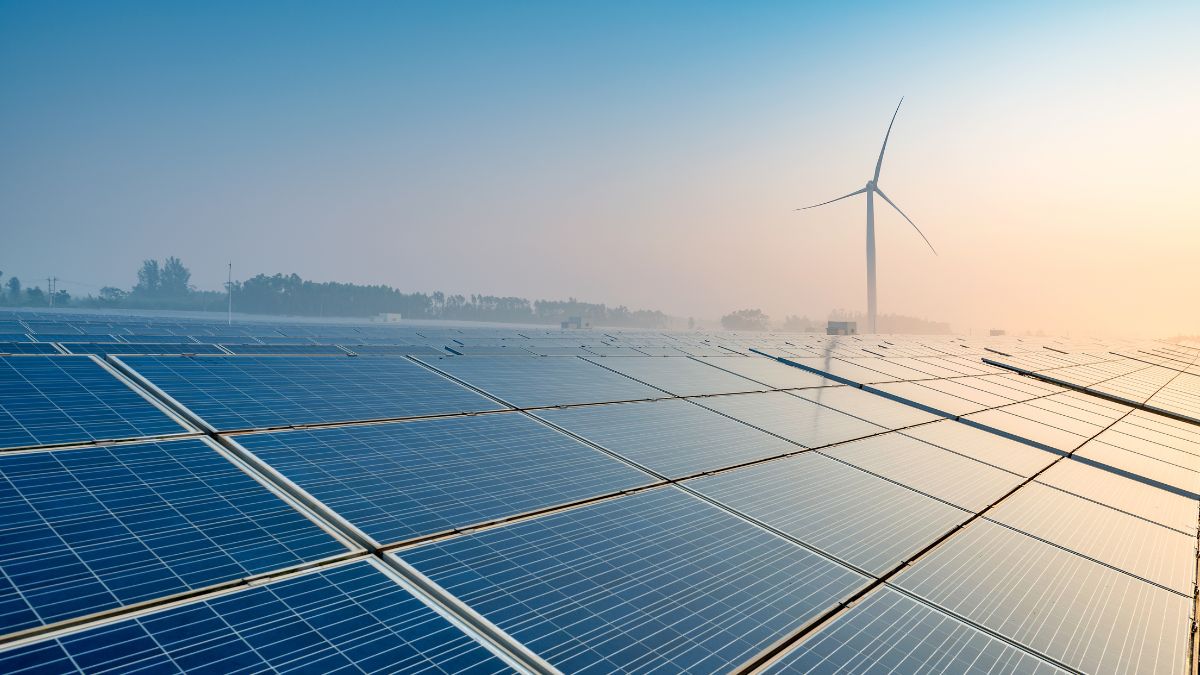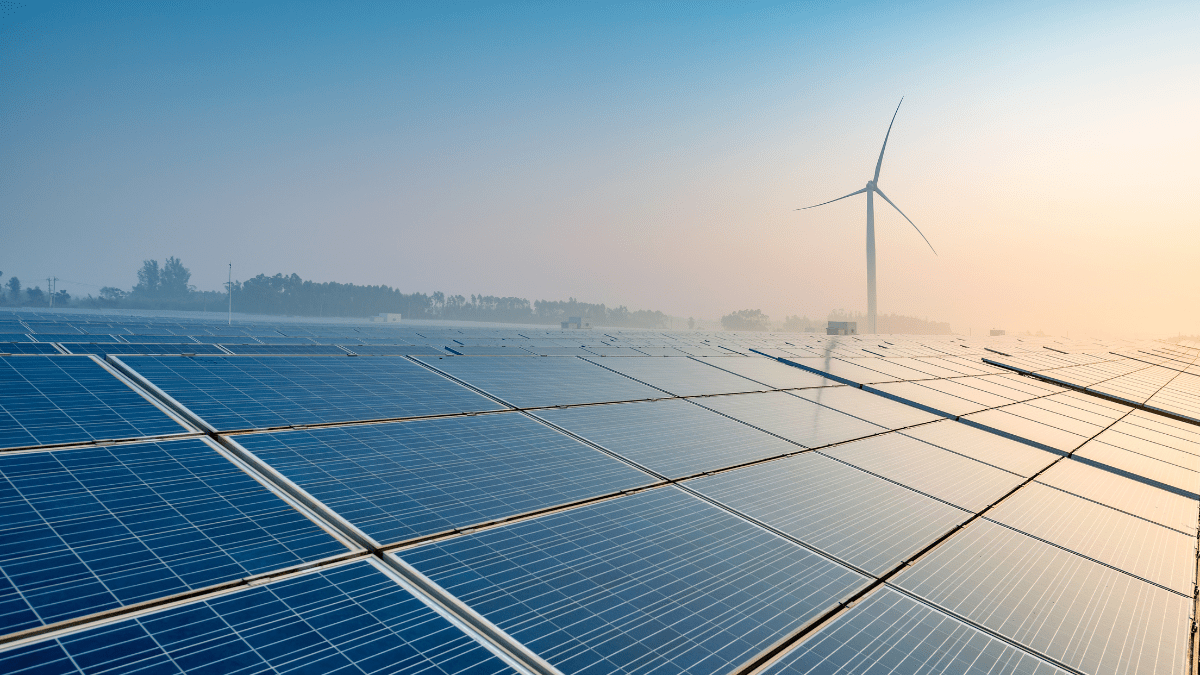
As India continues to focus on sustainable development, the Union Budget 2025 has become a much-anticipated opportunity for the renewable energy (RE) industry to strengthen its contribution toward national and global climate goals. With the government’s consistent efforts to promote clean energy, the industry has witnessed significant milestones, including surpassing 200 GW of renewable energy capacity. However, achieving the ambitious target of 500 GW by 2030 demands supportive policies, investments, and a collective push across various RE sources.
The renewable energy sector has emerged as a cornerstone of India’s developmental agenda, reflecting the nation’s commitment to sustainability and energy security. The industry, supported by government initiatives, is now focusing on overcoming challenges such as domestic manufacturing, R&D capabilities, affordable financing, and streamlined regulatory frameworks. These areas, along with expanding the green energy infrastructure, have dominated the pre-budget expectations of industry leaders, reflecting a unified call for measures that bolster India’s leadership in the global clean energy transition.
SK Gupta, CFO of AMPIN Energy Transition, emphasizes the importance of self-reliance in technology and equipment manufacturing. He highlights the need for regulatory and fiscal incentives to promote R&D in collaboration with premier institutions like IITs and global research bodies. Gupta also advocates for developing in-house manufacturing capabilities for critical components like solar modules, cells, and electrolyzers to establish India as a leader in the renewable value chain.
Capt. Ishver Dholakiya, MD and Founder of Goldi Solar stresses that achieving the 500 GW target requires policies that enhance global competitiveness and domestic manufacturing. Key measures include reducing GST on RE equipment, boosting R&D funding, and expanding initiatives like the ‘Green Credit Program.’ Additionally, investments in transmission infrastructure and public-private partnerships are crucial to ensuring grid stability and affordability.
Girish Tanti, Vice Chairman of Suzlon Group, expresses optimism about India’s progress in wind energy, with installations reaching 48 GW and projected to cross 100 GW by 2030. He emphasizes prioritizing balanced growth across all RE sources to deliver affordable energy and drive sustainable development.
Saurabh Kumar, VP-India, GEAPP, highlights the role of the Union Budget in fostering state-level initiatives for energy transition. He applauds the government’s focus on integrating energy security and transition as a foundation of development, particularly through financial support for MSMEs adopting cleaner energy.
Amit Uplenchwar, Director of KPIL, views the budget as an opportunity to drive growth in infrastructure and green energy. He calls for investments in green energy projects to enhance India’s global competitiveness and align with net-zero ambitions.
Saurabh Marda, Co-founder and MD of Freyr Energy emphasizes the importance of supporting the residential solar sector. He advocates for digitizing loan evaluation and approval processes, streamlining grid connectivity, and ensuring sufficient domestic manufacturing to meet demand.
Varun Puri, MD of Green Power International Pvt. Ltd., underlines the potential of bioenergy in addressing air pollution and supporting sustainable energy transitions. He calls for policies incentivizing bioenergy plants, subsidies for advanced equipment, and tax benefits for sustainable solutions.
The collective industry expectations highlight key focus areas for Budget 2025: innovation, self-reliance, and affordability. Domestic manufacturing of RE technologies and components is crucial to reducing reliance on imports and ensuring cost competitiveness. Policy measures supporting research, funding, and fiscal incentives will further enhance the industry’s capacity to meet its ambitious goals. The demand for streamlining regulatory processes reflects the sector’s need for efficiency and faster implementation of projects. Additionally, investments in infrastructure, such as LNG refueling stations, EV charging networks, and bioenergy plants, are seen as critical to expanding green energy adoption and reducing carbon footprints.
The renewable energy sector is at a pivotal moment, with a clear trajectory toward achieving India’s 2030 goals. The expectations outlined by industry leaders underscore the importance of collaboration between the government, private sector, and research institutions. Whether it’s wind power, solar energy, bioenergy, or EV technology, the common thread remains a need for robust policy frameworks and fiscal incentives that can sustain long-term growth and innovation. By addressing these areas, the Union Budget can not only accelerate India’s clean energy transition but also position the country as a global leader in the renewable energy space.
The Union Budget 2025 presents a significant opportunity to build on India’s renewable energy successes while addressing critical gaps in technology, manufacturing, and infrastructure. With the combined efforts of the government and industry, the country can achieve a sustainable energy future that aligns with global climate commitments and national development goals. By implementing the suggested measures, India will be well-positioned to meet its ambitious 500 GW target by 2030, delivering affordable and clean energy to all its citizens while contributing to a greener planet.