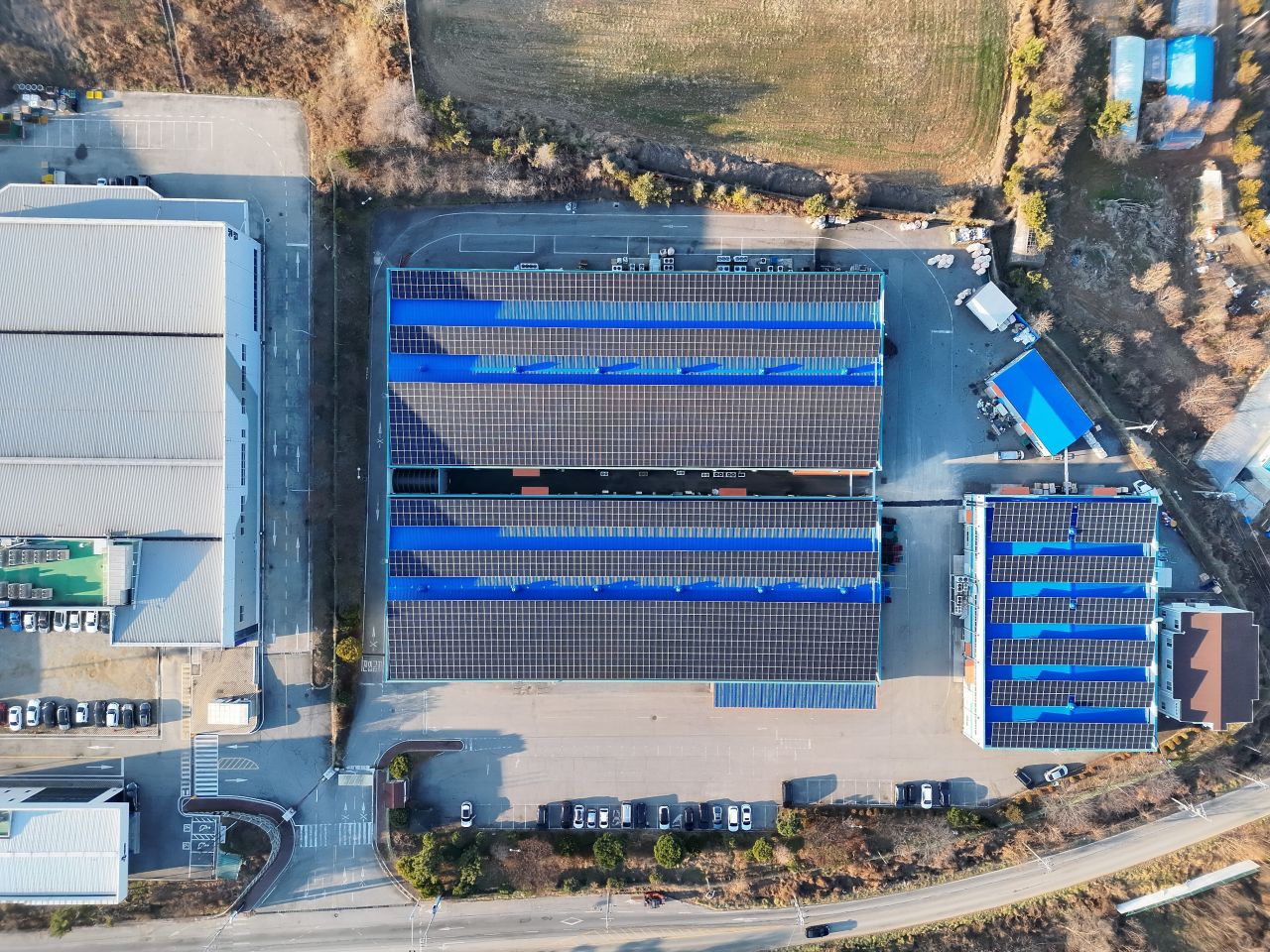
Peak Energy Korea has announced that the Youngjin SP rooftop solar power plant has officially reached its commercial operation date (COD). This confirms that the facility is now fully generating renewable electricity and supplying it to the Korean grid. The completion of this project further strengthens Peak Energy’s position within Korea’s distributed renewable energy market, particularly in the rooftop solar segment.
The Youngjin SP plant is installed on the rooftop of an industrial building. After a safe construction period and thorough testing, the project has been successfully commissioned. Achieving COD means that all required performance tests, safety evaluations and interconnection checks have been completed in line with Korean regulations. With these validations in place, the plant can operate reliably over the long term while delivering consistent clean energy.
This development supports Peak Energy Korea’s strategy of expanding a portfolio of high-quality rooftop solar systems that contribute to Korea’s energy transition and help local businesses reduce carbon emissions. By utilising existing rooftop areas rather than developing new land, the project reduces environmental impact and allows the host facility to benefit from an additional, stable revenue source.
The COD milestone also highlights the strong collaboration between Peak Energy Korea and its partners in the rooftop solar sector. In July 2024, the company signed an agreement with Shinsung E&G and YSP to jointly develop up to 50 MW of rooftop solar projects across Korea, with a focus on industrial and commercial buildings. According to reports in EnergyNews, the Youngjin SP plant is one of the early projects delivered as part of this wider development plan.
The Youngjin SP installation has an approximate capacity of 1.19 MWp and has been developed under a roof lease business model. In this model, Peak Energy Korea leases the rooftop from the building owner, finances and builds the solar system, and manages its long-term operation. The host facility receives steady lease income without any need for upfront investment or operational responsibility.
Based on typical rooftop solar performance data for Korea, the Youngjin SP plant is expected to generate enough renewable electricity to meet the yearly consumption needs of several hundred Korean households. By placing solar panels on existing structures, the project helps avoid additional land development while contributing to more efficient use of industrial space.
Engineering, procurement and construction work for the project followed both Korean and international standards for rooftop photovoltaic systems. The construction process emphasised structural safety, worker protection, and long-term equipment reliability. The modules and inverters selected for the project are designed to perform well in Korea’s seasonal climate conditions. Additionally, real-time monitoring systems have been installed to track plant performance continuously and detect any operational issues early.
The project also benefits from the combined technical capabilities and experience of Peak Energy Korea and its local partners. Earlier agreements with leading Korean solar companies such as Shinsung E&G and YSP aim to bring together global investment expertise and strong domestic engineering skills to accelerate the nationwide rollout of rooftop solar solutions. This approach has been highlighted in coverage by Maeil Business Newspaper, which noted the growing momentum behind rooftop solar development in Korea.
Subscribe to get the latest posts sent to your email.