Headlines this week warning of potential merchant CO₂ shortages – linked to geopolitical instability and energy market disruption – have once again reignited familiar concerns across the food and beverage sector. For many, it feels like déjà vu.
We’ve certainly been here before. And as the understanding of merchant carbon dioxide’s critical role in this sector continues to move beyond ‘invisible industry’ to very visible actor in the public domain, that welcomed awareness will naturally put CO2 on radar more often.
But it feels important right now to draw a clear distinction: there is no major CO₂ shortage at present.
What we are seeing instead is something more subtle – and, arguably, more encouraging. Governments are signalling possibility, not immediacy, and that shift reflects a deeper evolution in how CO₂ security is understood.
From crisis response to risk awareness
Historically, CO₂ shortages have largely caught markets off guard. Whether driven by ammonia plant outages, energy price shocks, or structural supply tightness, the pattern has been reactive: disruption occurs, supply chains scramble, and policymakers respond under pressure.
We’ve seen this with very high-profile CO2 shortages in summer 2018 and subsequent periods of shortage in 2021, for example. The latter saw a reactive UK government prop up an existing CO2 plant at considerable cost running into tens of millions of pounds.
What makes the current moment different is that warnings are being issued before disruption materialises.
This means it’s not necessarily evidence of an imminent crisis. It is evidence that lessons from past shortages are being internalised and learned.
The kind of early-stage government communication we’ve seen in the past 36 hours – particularly around ‘worst case scenarios’ – signals a transition from reactive crisis management to proactive risk awareness. That has to be seen as a meaningful step forward in the CO2 conversation.
Structural vulnerabilities remain
None of this is to suggest complacency is warranted. The underlying vulnerabilities in the CO₂ ecosystem have not disappeared.
Supply remains closely tied to a relatively narrow set of industrial processes, particularly ammonia/fertiliser and ethanol production. This creates an inherent fragility: when upstream economics shift – as they often do in volatile energy markets – CO₂ availability can quickly tighten.
These structural fragilities are baked into the CO2 supply chain and the government is right to be wary of the knock-on effects of a continued restriction of the Strait of Hormuz.
In that sense, the current geopolitical tensions are absolutely relevant. They highlight how interconnected and exposed the system remains. At gasworld’s European CO2 Summit in Rotterdam just a few weeks ago, you could sense the air of concern creeping into conversations as the conflict in the Middle East was escalating.
Industry sentiment had also supported this sense of trepidation. gasworld data had shown confidence in European CO2 supply security falling 8% from October 2025 to February 2026, reflecting structural vulnerabilities in the market. Post-Iran crisis, it has fallen further still. By early April, market confidence stood at just 26% compared to concern levels of 40%.
CO2 shortages are often seasonal situations that occurs in the months from spring to early autumn – so if any effects of the Iran conflict do come into view in the days and weeks ahead, then the potential exists to create another ‘perfect storm’ scenario of supply crunching and demand peaking. Industry and retailers would understandably reserve additional concern in the context of a World Cup year, too, with beer and beverages expected to flow alongside those sizzling barbecues.
But vulnerability is not the same as disruption, and right now there’s no carbon dioxide crisis nor sight of one yet in either the UK or Europe.
Misreading the signal
There is a risk that precautionary messaging is misinterpreted as confirmation of shortage, something which can then create a feedback loop: concern drives stockpiling behaviour, which in turn creates artificial pressure on supply chains.
Ironically, this is precisely the kind of dynamic that more mature and strategic communication strategies are designed to avoid. Clear, early warning signals such as those this week should be understood as tools for stability, not triggers for alarm.
If anything, the current discourse suggests the CO₂ conversation is becoming more sophisticated more mature and interestingly, more widespread.
We’re seeing greater recognition of the strategic importance of CO₂ beyond either its traditional ‘by-product’ status or worse still, it’s ‘climate killer’ tag. We’re publicly seeing the role of policy in managing not just emissions, but also molecules as critical infrastructure. That’s progress right there.
Looking ahead
The real test, of course, is not whether a shortage occurs, but how well the system is prepared if it does – and whether these more meaningful conversations in CO2 will continue to mature. For the sake of industry and economy, they have to.
Have we learned the lessons of those past shortages? I think we have. There’s still a lot of work to do in diversifying sources and building a more resilient supply chain, but the industry is certainly aware of that and has actively been improving storage and distribution capabilities across the UK and Europe.
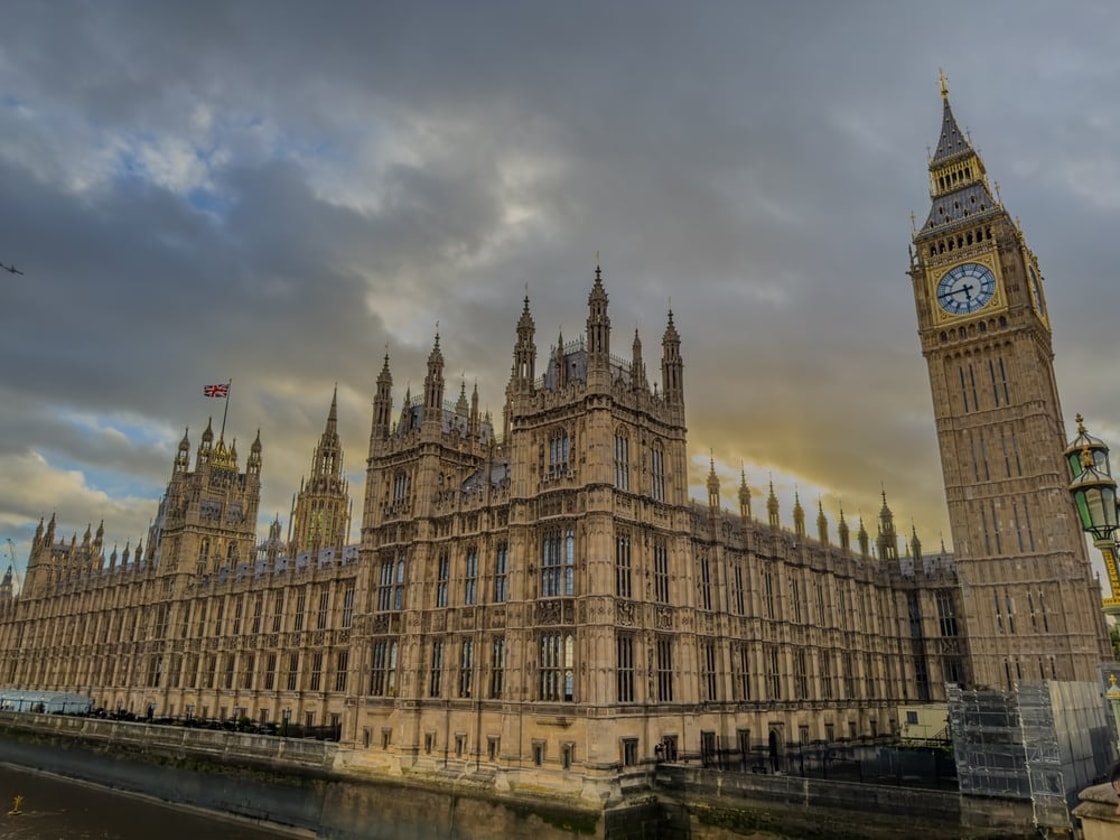
We’re now seeing positive signs, too, that UK government recognises that critical role of CO2 and is proactively mapping the market risks in its worst-case scenario planning.
Early warnings, scenario planning, and open communication between industry and government are all positive developments. They indicate a shift toward resilience thinking rather than crisis firefighting. Stronger economy over false economy.
So while the headlines may feel very familiar, the underlying reality is not. We are not in a CO₂ shortage and shouldn’t misread the signals for one. We are, however, in a moment where it appears CO₂ security is being treated with the strategic seriousness it has long required. And that, ultimately, is a significant sign of progress.