By Robert Cyran
NEW YORK, April 14 (Reuters Breakingviews) – For every problem, there’s a ready-made easy solution that is also just plain wrong. A ban on U.S. oil exports fits into the category.
Get the Latest US Focused Energy News Delivered to You! It’s FREE:
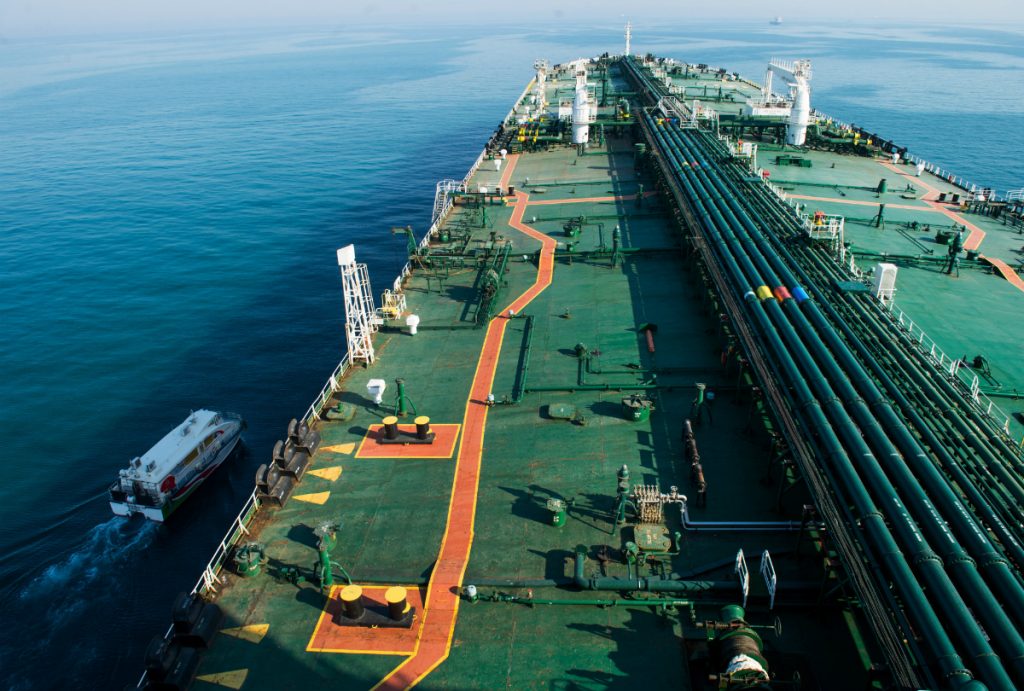
Prices for crude and the products made from it are rising because of disruption in the Strait of Hormuz. Asian and European buyers, desperate for replacements, are therefore looking elsewhere. The United States happens to be a large producer. President Donald Trump, he of the “drill, baby, drill” school of thought, is proud of the supply. He bragged on social media of many empty and inbound oil tankers. The country he leads already exports 4 million barrels per day, and is the biggest gasoline exporter, to boot. Selling more overseas would naturally raise prices at home.
Diesel on the U.S. Gulf Coast already costs 50% more now than at the start of March. A tripling of large tankers on their way to those ports, according to cargo tracker Vortexa, will accelerate the trend. High energy prices are political Kryptonite and the Trump administration likes to project a populist image. Interior Secretary Doug Burgum told oil industry executives last month that an export ban was not under consideration, Politico reported. If prices spike high enough, though, officials may face pressure to reconsider.
Any outbound blockage would introduce new market distortions. Drillers would receive less of a price signal to boost production. Moreover, while the U.S. fracking boom now extracts plenty of relatively pure oil, many domestic refineries were designed to process heavy, cheap crude containing impurities. To compensate, the country sells the former overseas and imports the latter.
An export ban would leave the United States with a glut of light, sweet crude. Refiners can pivot, but with opportunity costs. Expensive purification equipment would be left unused and there isn’t enough capacity to handle all the excess.
In addition, light U.S. oil tends to make heavy naphtha used for gasoline. Such derivative products are sold abroad. A crude ban would increase the imbalance, leaving the country with more gasoline and less diesel.
Finally, oil production, shipping and refining is one of the world’s most complex systems. Changing flows suddenly would introduce unknown outcomes. Recessions elsewhere hurt the U.S. economy, too. Crude and related products are already in short supply. Making U.S. refiners more inefficient won’t help, while a ban would invite retaliation. In this case, one simple answer would leave many difficult questions.
CONTEXT NEWS
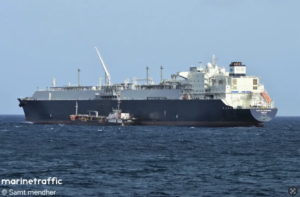
President Donald Trump on April 11 posted on social media: “Massive numbers of completely empty oil tankers, some of the largest anywhere in the World, are heading, right now, to the United States to load up with the best and “sweetest” oil (and gas!) anywhere in the World. We have more oil than the next two largest oil economies combined – and higher quality. We are waiting for you. Quick turnaround!”
The United States exports about 4 million barrels a day of crude. In 2015, U.S. lawmakers lifted a long-standing prohibition on crude exports. The president, subject to congressional disapproval, can ban crude exports for up to 90 days during a national emergency.
Editing by Jeffrey Goldfarb; Production by Maya Nandhini
Share This:
More News Articles