Poland’s push for energy independence has become one of the most important parts of its transition away from fossil fuels. For many years, the country has relied heavily on coal, even as most of Europe steadily moved toward cleaner sources of power. Today, Poland remains the only EU member state that still generates more than half of its electricity from coal. But signs of change are becoming clearer.
According to Olga Sypuła, Country Manager for European Energy Poland, renewable energy is now viewed much more positively, largely because of global geopolitical developments. During our conversation, she explained that Poland’s move toward renewables is not only about meeting the European Green Deal targets—it is about ensuring long-term energy security and reducing dependence on unpredictable global fuel markets.
A large part of this shift is motivated by economics. Olga points out that the cost of maintaining the old model has become increasingly difficult to justify. In 2024 alone, Poland spent €26 billion on fossil fuel imports, and over the past decade, the total amount spent exceeded €280 billion.
This is money leaving the country year after year. In contrast, electricity produced from domestic wind and solar projects keeps investment within Poland. “Energy generated from wind and solar in Poland stays in Poland,” she says. “It does not depend on geopolitical relationships. That is what real energy independence looks like.”
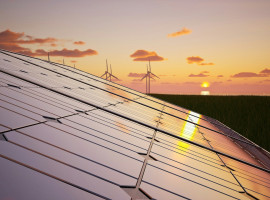
Despite its long reliance on coal, Poland has managed a surprisingly fast transformation in renewable energy. In only a few years, the country has expanded from almost no solar capacity to nearly 25 GW. Olga describes this as a “technological leapfrog,” where Poland skipped slow development phases and jumped straight into large-scale deployment. However, rapid growth also puts pressure on the grid, which was originally designed for centralised coal power plants rather than distributed renewable sources.
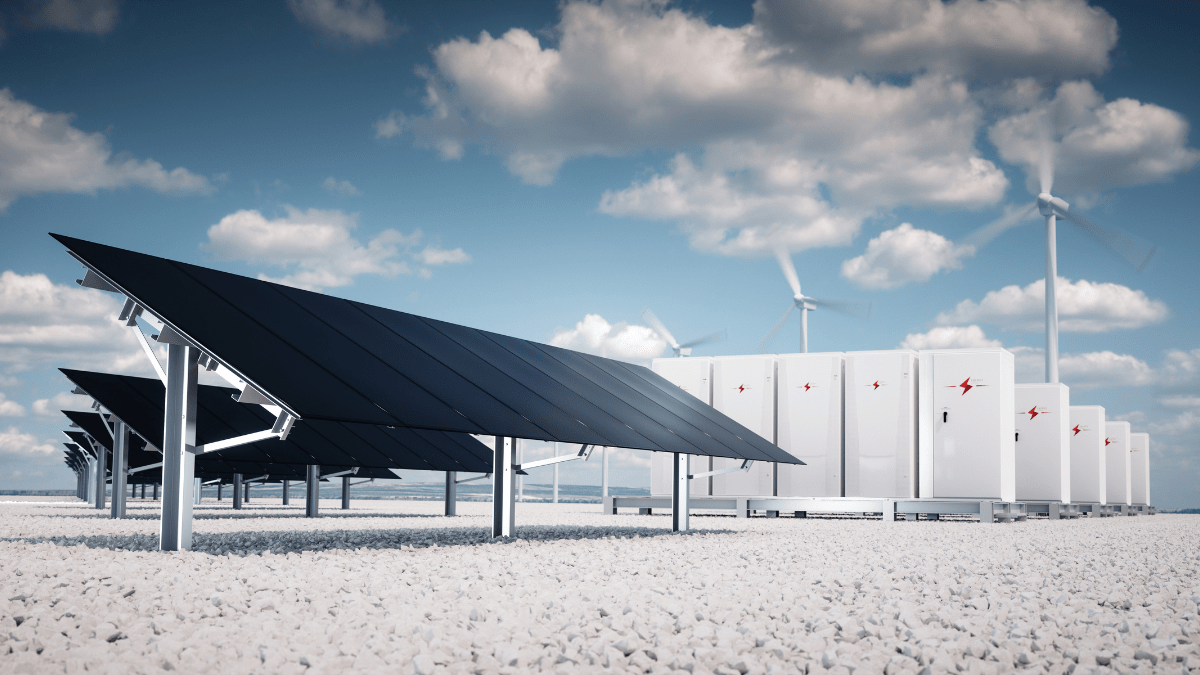
This is where energy storage becomes essential. “Battery storage is what turns variable generation into reliable power,” Olga explains. European Energy recently secured its first battery storage auction in Poland, a milestone she believes is crucial for the future.
As more renewable power flows into the grid, battery systems will help prevent energy waste during periods of high production—especially on sunny days when solar output peaks and curtailment becomes more common. Storage technologies make it possible to capture excess energy and use it when demand rises later.
Another key development shaping Poland’s energy future is the shift toward smarter infrastructure. Hybrid renewable parks, where wind, solar, and battery systems are combined at a single grid connection, are becoming increasingly important. This approach, often referred to as cable pooling, allows developers to make better use of existing grid capacity.
Olga notes that European Energy is actively developing such hybrid projects, which can supply more stable and continuous renewable power. This is especially relevant as Poland becomes an attractive market for global technology companies setting up data centres.
Data centres require large amounts of electricity around the clock, and many of these companies insist on powering their operations with clean energy. Integrated renewable parks, combining solar, wind, and storage, are well-suited to meet this constant demand.
According to Olga, they provide a reliable green baseload that aligns with the needs of the growing digital economy. When asked about concerns that Poland’s energy transition is progressing too slowly, Olga offers a balanced view. She agrees that more work is needed but emphasizes that the progress so far has been impressive.
At the same time, she points out that technology alone cannot complete the transition. Poland will need a faster regulatory process, modernised grid infrastructure, and updated permitting systems to support further expansion. Despite the challenges, she remains optimistic. The motivation to transform the sector is strong, and the companies and investors who act early will play an important role in shaping the future market.
For Poland, the shift is no longer simply a matter of choosing newer or older technologies. It is a strategic decision between continuing to rely on imported fuels or building an energy system based on domestic, renewable sources. European Energy is clearly investing in the latter, signalling confidence in Poland’s ability to become more energy independent in the years ahead.
Subscribe to get the latest posts sent to your email.