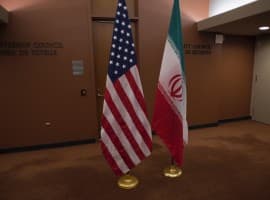
A U.S.-Iran peace deal is not weeks away. Officials in the Gulf region are bracing for a timeline closer to six months.
The Strait of Hormuz remains effectively shut. Flows are nowhere near normal. Gulf exporters are unable to move crude, LNG, and refined products at scale. That is already showing up in prices. Brent climbed nearly 5% on Thursday to trade above $99 per barrel and remains roughly 36% higher since the war began in late February.
Leaders in the region want the Strait reopened immediately, and their concern goes well beyond energy. Officials are warning privately that if flows are not restored by next month, supply disruptions could spill into global food markets, given the region’s role in fertilizers and energy inputs tied to agriculture.
Gulf states want limits on Iran’s nuclear program and missile capabilities. Iran is seeking sanctions relief. Those positions have been sticking points for quite some time, and a speedy resolution on those issues seems unlikely at this point.
Officials say a short extension of the ceasefire—around two weeks—is being considered to allow talks to continue. There is no indication that a broader agreement is close. The timeline under discussion is closer to six months, reflecting the scope of unresolved issues, including uranium enrichment, missile programs, and sanctions.
Meanwhile, tanker traffic remains limited, and oil export volumes out of the Gulf are still well below normal levels. Some Iran-linked shipments have moved, but broader transit has not resumed.
Each week without a restart keeps supply tight.
And even if a deal is reached quickly, reopening the Strait and restoring upstream production will take time.
By Julianne Geiger for Oilprice.com
More Top Reads From Oilprice.com
- Japan to Deploy $10 Billion to Help Southeast Asia Cope With Oil Shock
- Equinor Signals Trading Windfall as War-Driven Volatility Lifts Results
- TotalEnergies Sees Q1 Profit Surge on High Prices, Strong Trading