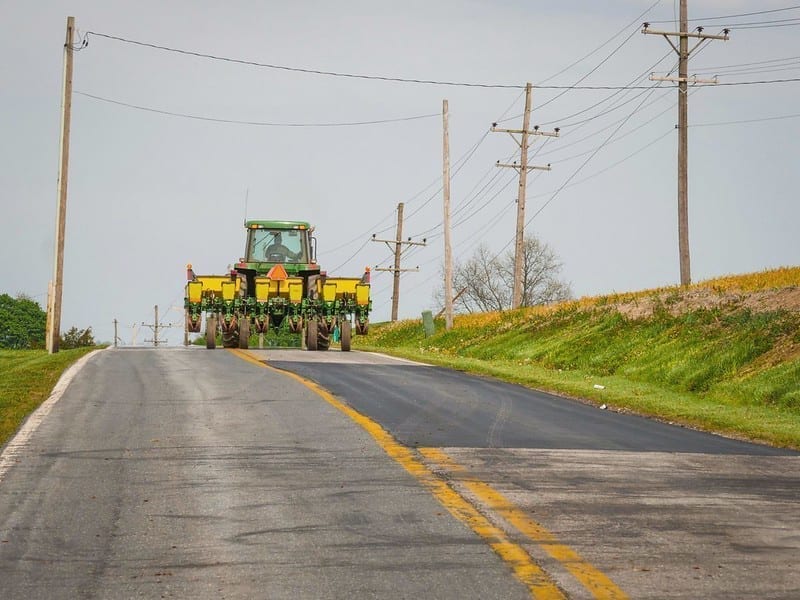
After decades of relatively flat electricity demand, the U.S. power sector is suddenly racing to keep up—and rural electric cooperatives, which serve 42 million people across 54% of the nation’s land mass, are feeling the squeeze as acutely as anyone. As a guest on The POWER Podcast, Jim Matheson, CEO of the , laid out how roughly 900 co-ops in 48 states are responding to surging data center demand, supply chain pressures, and a shifting regulatory landscape.
The Co-op Model Is Built Around the Consumer
Matheson emphasized that co-ops operate on a fundamentally different business model than investor-owned utilities. They are not-for-profit, owned by the consumers they serve, and governed by locally elected boards. Every investment decision is evaluated against a single variable: how it affects the member’s bill. That consumer focus is more than philosophical—co-ops serve 92% of America’s persistent poverty counties, meaning affordability is not a talking point but an operational imperative.
Demand Is Surging, and the Supply Side Is Under Strain
The demand story didn’t start with artificial intelligence (AI). Matheson noted that load growth began ticking up several years ago thanks to heat pump adoption, electric vehicles, and the onshoring of manufacturing. AI-driven data centers then poured fuel on the fire. The challenge is compounded on the supply side: public policy has pushed existing power plants into early retirement before replacement capacity is in place. Matheson was blunt that viable plants should not be shut down until appropriate replacements have been identified and built—citing the old adage that when you find yourself in a hole, the first step is to stop digging.
‘Always Available’ Generation vs. Intermittent Resources
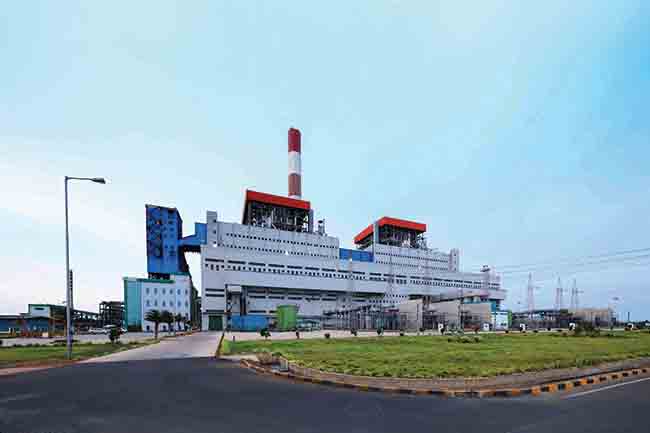
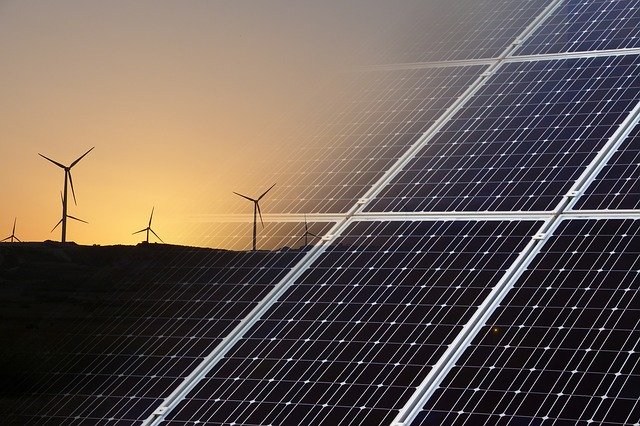
Rather than framing the generation debate around specific fuels, Matheson drew the key distinction between always-available generation (such as coal, gas, and nuclear) and intermittent generation (wind and solar). Renewables have value, he said, but they must be part of a portfolio that can meet demand 24/7. NRECA’s core advocacy position is that co-ops need the flexibility to choose what works locally—hydro in the Pacific Northwest, natural gas in Texas, nuclear in Georgia and Pennsylvania—without federal one-size-fits-all mandates.
Nuclear’s Long-Term Role, and a Notable Restart
Matheson expects nuclear to remain part of the generation mix long-term. He acknowledged the industry has been saying small modular reactors (SMRs) are “a few years away” for about 20 years, and whether SMRs ultimately prove more economical than large-scale nuclear remains to be seen. In the meantime, he pointed to a striking example of co-op commitment to nuclear: two cooperatives—one in Michigan, one in Indiana—have together signed power purchase agreements for the full output of a previously shuttered Michigan nuclear plant that is now being restarted by a third-party operator.
Energy Storage: Useful Tool, Not Yet a Replacement
On batteries, Matheson was measured. With current technology delivering roughly four hours of storage, batteries are a valuable load-management tool but not a replacement for always-available generation. A true game-changer, he said, would be long-duration storage in the range of 100 hours—a technology many are chasing but no one has yet commercialized at scale.
Supply Chain and Cost Pressures Are Everywhere
Prices are up across the board—from large gas turbines down to poles, crossarms, and residential meters. The supply chain is global, so tariffs matter, and years of flat demand left the industry unprepared for today’s pace. Co-ops can’t pass costs to Wall Street shareholders because there aren’t any; every dollar of cost pressure flows directly to the member. Matheson noted, however, that co-ops continue to enjoy strong access to capital markets thanks to their credit stability and near-zero loan default rates.
NRECA’s 2026 Policy Priorities
Matheson outlined four top advocacy priorities, all anchored in reliability and affordability.
The first was rolling back onerous Environmental Protection Agency (EPA) regulations that are forcing premature retirement of power plants. He suggested there’s been real progress on that front with the current administration.
He also mentioned permitting reform is needed to accelerate new infrastructure. He sees genuine bipartisan consensus in Congress—something that hasn’t been true in years—and acknowledged the problem spans multiple federal statutes, including the Clean Air Act, Clean Water Act, National Environmental Policy Act, and Historic Preservation Act, to name a few, plus state and local layers.
Matheson advocated for raising the U.S. Department of Agriculture (USDA) Rural Utilities Service (RUS) lending cap. The RUS program, a legacy of Franklin D. Roosevelt–era rural electrification, functions as an infrastructure financing bank that actually generates money for the U.S. Treasury because of co-ops’ near-zero default rate. With investment costs rising, the annual cap needs to go up, Matheson said.
Lastly, Matheson suggested reform is needed within the Federal Emergency Management Agency (FEMA) so that disaster recovery support for not-for-profit utilities becomes more predictable and accountable. He noted its importance for co-ops hit by hurricanes, ice storms, derechos, wildfires, and flooding alike.
The Data Center Challenge Runs Deeper Than Policymakers Realize
Matheson’s sharpest concern was that while policymakers know AI data centers are driving demand, they don’t appreciate the contractual and operational complexity of onboarding loads that arrive as “step function” increases rather than incremental growth. The guiding principle, he said, is that data centers must pay their fair share—existing consumers should not be subsidizing new hyperscale load through higher rates. Co-ops are open to negotiating win-win contractual arrangements with data center developers, but some deals will pencil out and others won’t. A federal one-size-fits-all rule for data center interconnection would be counterproductive.
A Quiet Second Act: Co-ops and Rural Broadband
In closing, Matheson highlighted a parallel to the 1930s. Just as for-profit companies once declined to electrify sparsely populated areas, today they often decline to build broadband there. Roughly 200 co-ops have now entered the broadband business, leveraging the fiber optic backbone they already deploy for grid operations. It’s a natural extension of the community-ownership model—and a reminder that co-ops continue to step into gaps the market leaves behind.
To hear the full interview with Matheson, listen to The POWER Podcast. Click on the SoundCloud player below to listen in your browser now or use the following links to reach the show page on your favorite podcast platform:
·
For more power podcasts, visit .
—Aaron Larson is POWER’s executive editor (@AaronL_Power, @POWERmagazine).