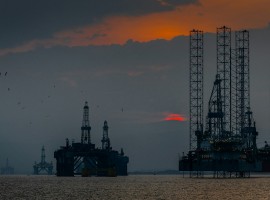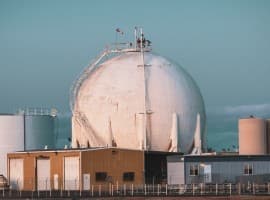
A labor dispute could soon lead to industrial action at the Ichthys LNG plant offshore Western Australia, potentially further crippling global LNG supply at a time when 20% is already offline due to the missile strikes at Qatar’s key plant and the closure of the Strait of Hormuz.
The labor dispute has been brewing for days after the operator of Ichthys LNG, Japanese energy firm Inpex, proposed a new employment agreement that trade unions have slammed as ‘sub-standard’ in terms of wages and benefits.
Employees have voted to reject the employment agreement in a ballot that Inpex pulled 21 hours prior to its scheduled close, the Offshore Alliance grouping of unions said.
“A majority of eligible employees have cast their vote and the proposed agreement has not been endorsed,” a spokesperson for Inpex told Reuters on Friday.
The company will “continue to actively engage in the bargaining process in good faith and work collaboratively to address feedback from our workforce,” the spokesperson added.
Next week, union workers will also finish voting in a ballot to endorse a protected industrial action. The vote is scheduled to end on April 24.
The threat of industrial action at an operating LNG export plant couldn’t come at a worse time for global LNG supply.
Currently, about 20% of global LNG supply is offline as no LNG tanker has left the Middle East since February 28, while U.S. LNG export capacity was maxed out even before the war began.
In addition, Iranian drone and missile strikes on energy infrastructure in the region has damaged Qatar’s key LNG liquefaction complex Ras Laffan.
Qatar’s state firm QatarEnergy expects the damage to the Ras Laffan LNG complex, the world’s single largest LNG-producing facility, to cost it about $20 billion per year in lost revenue and to take up to five years to repair.
By Tsvetana Paraskova for Oilprice.com
More Top Reads From Oilprice.com
- First Crude Cargo Clears Hormuz Since U.S. Blockade Began
- Tanker Fleet Heads to Load U.S. Oil as Middle East Supply Crumbles
- India Pays in Yuan for Iranian Oil Purchases Under U.S. Waiver