Ireland’s multi-million-euro biomethane rollout has been delayed and potentially reshaped after the European Commission issued a formal “Detailed Opinion” blocking a key support mechanism in its Renewable Heat Obligation (RHO) scheme.
The mechanism is a domestic biomethane multiplier, which would have allowed one unit of Irish-produced biomethane to equal 1.5 units toward compliance.
This is essentially a bonus credit system designed to favour Irish production, making domestic biomethane more financially attractive and reducing reliance on imports.
According to the Commission, the multiplier breaches EU internal market rules and discriminates in favour of domestic production over imports.
Ireland in turn failed a series of justifications under the four-stage proportionality test, having not identified a legitimate EU objective or provided “adequate evidence of necessity.”
It was also found not to have considered less restrictive alternatives. The country must now redesign its approach before 29 June 2026 or risk infringement proceedings.
The RHO is a fuel supplier obligation whereby fossil fuel suppliers must blend in a share of renewable heat energy.
It starts at around 1.5% renewable heat in year one and rises over time, potentially up to 10% by 2030. The policy targets large suppliers (more than 400GWh heat supply) and includes tradable certificates.
The purpose of the RHO is to decarbonise heat, which makes up 38% of Ireland’s energy use, reduce reliance on imported fossil fuels, and stimulate domestically produced biomethane.
The development strikes at a central pillar of Ireland’s biomethane strategy. Biomethane is significantly more expensive to produce than natural gas, with costs typically estimated at €120 ($141) to €220 ($258) per MWh compared with roughly €70 ($82) per MWh for fossil gas.
The proposed multiplier would have helped close that gap by boosting the value of domestically produced gas.
Without it, Irish biomethane must compete directly with lower-cost imports, weakening the investment case for anaerobic digestion projects.

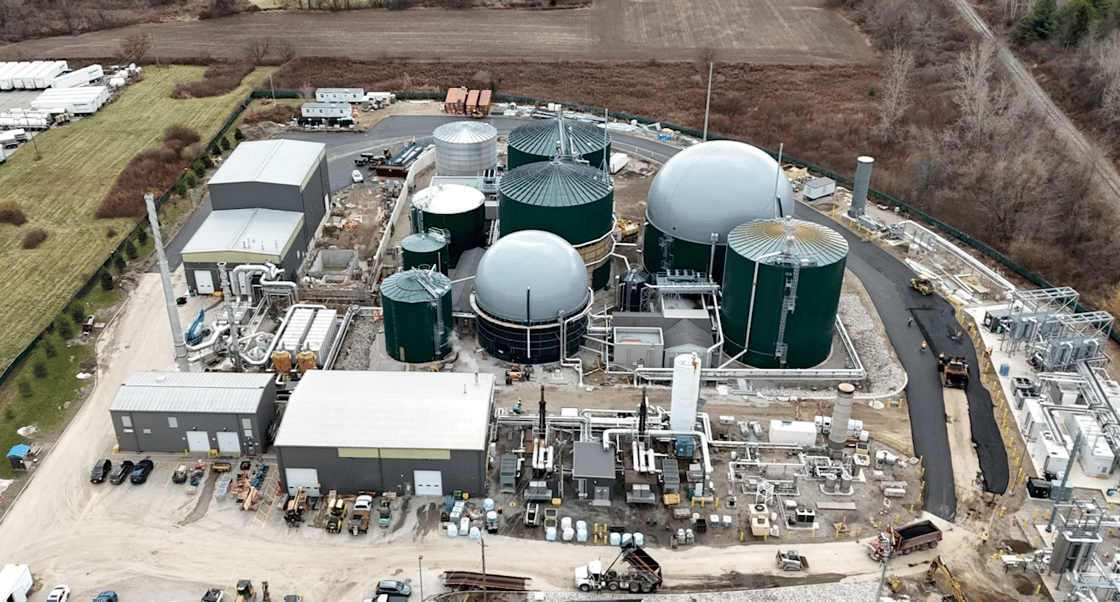
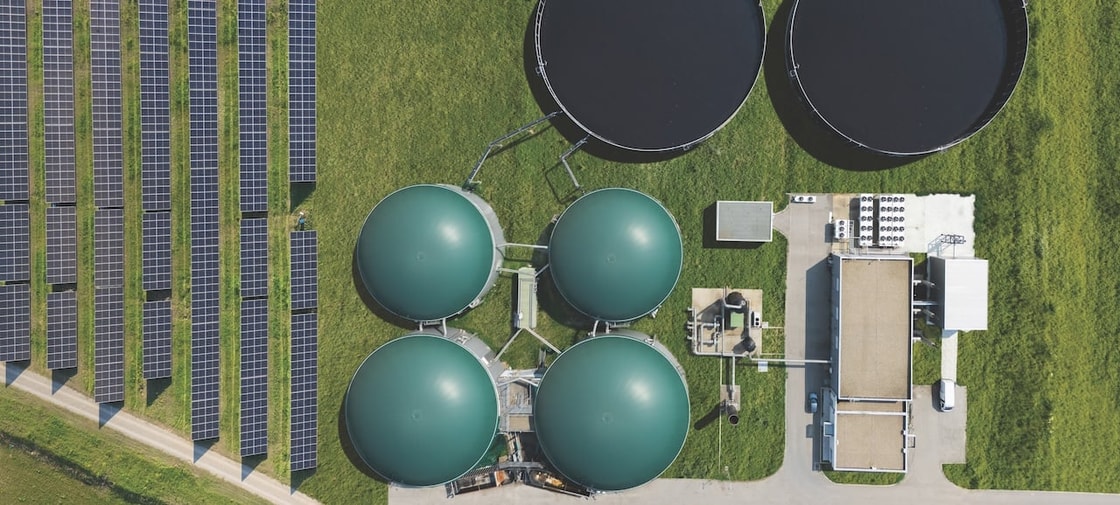
Financing was secured last year for a major 120GWh biomethane facility in Ireland ©Weltec Biopower
Project developers now face delays and uncertainty around future revenue support at a critical stage. Ireland is targeting up to 5.7 TWh of biomethane production by 2030, requiring the rollout of a large number of AD plants and hundreds of millions of euros in capital investment.
Ireland also remains heavily reliant on imported gas, leaving it exposed to global market volatility and geopolitical risks, including potential disruptions to LNG flows through key transit routes such as the Strait of Hormuz.
“The opinion from the EU Commission… is a very worrying development for the fledgling biomethane sector in Ireland,” said Seán Finan, CEO of the Irish Bioenergy Association, speaking to Agriland.
“The latest development potentially risks the future and viability of many projects.”