By
24 min ago 2 min read
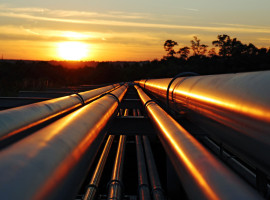
A new gas pipeline in Stockholm has connected two biogas plants to the city’s gas network, more than doubling liquefied biogas production capacity in Huddinge.
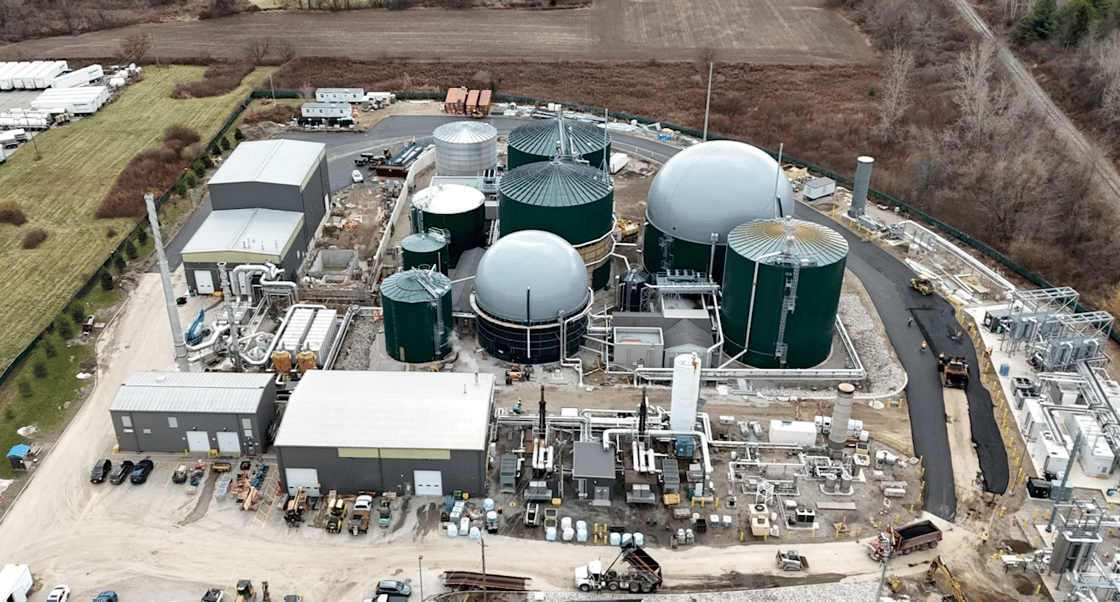
Nordic biogas company St1 Biokraft said the pipeline links its Gladö Kvarn and Henriksdal biogas plants via the regional gas network.
St1 Biokraft inaugurated the pipeline, with support from the Swedish Environmental Protection Agency.
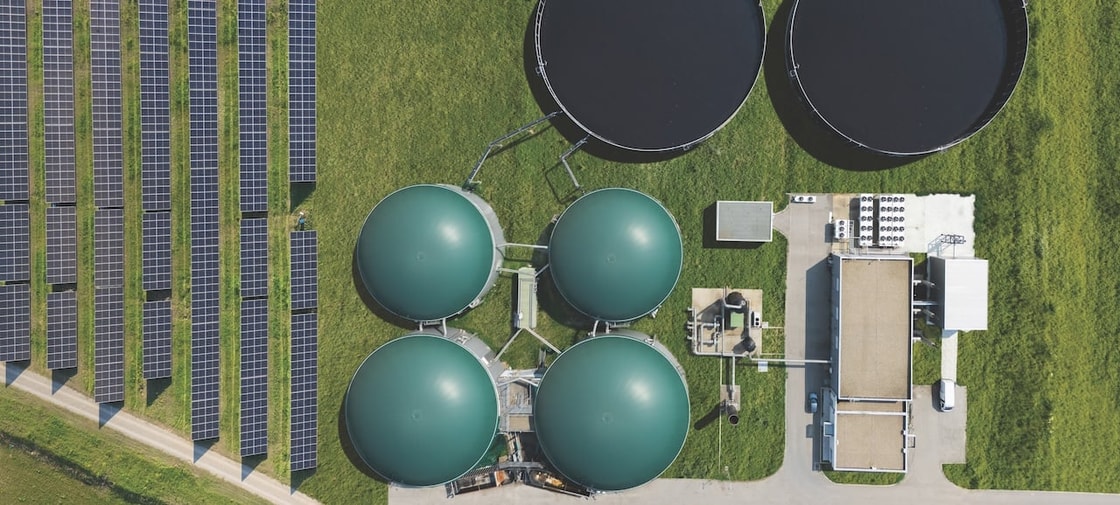
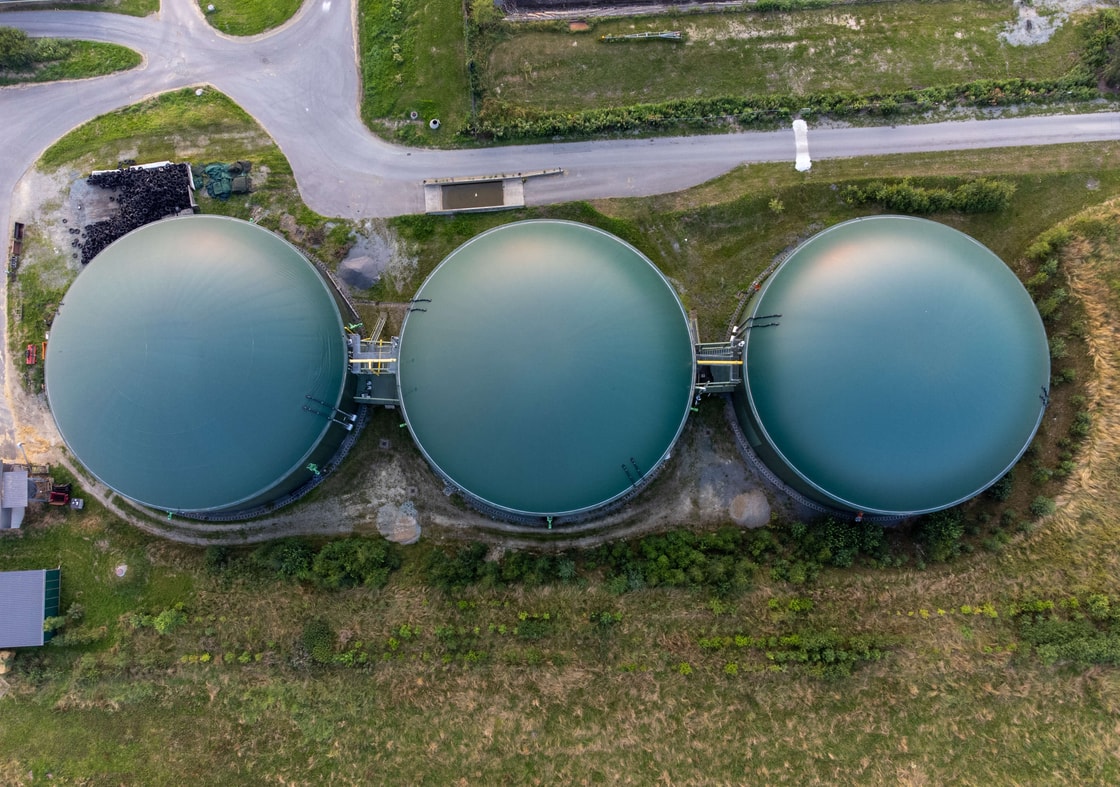
The company’s Gladö Kvarn facility produces 100 GWh of biogas each year and has two units to upgrade it into compressed biogas (CBG) and liquefied biogas (LBG).
The LBG unit has been operational since mid-2023 and can produce up to 240 GWh per year.
The Henriksdal facility produces only CBG. With the new pipeline providing biogas supply from Henriksdal, LBG output at Gladö Kvarn is expected to more than double.
Both facilities are supplied by food waste and wastewater from local households in the region.
Miika Johansson, CEO at St1 Biokraft, said the pipeline system allows the company to supply the market with more liquefied biogas to accelerate the green transition.
According to Nordion Energi, more than a quarter of all gas used in the Swedish gas grid comes from biogas – a higher share than in most other gas networks in Europe.
Jesper Karpsen, CEO at Gasnatet Stockholm, said the new pipeline could also diversify the region’s energy supply, reducing dependence on a single energy source.
“If recent years of global uncertainty have shown us anything, it is that we must safeguard our energy supply,” he adds.
Johansson stated, “Recent developments in the world around us also show how important it is to invest in infrastructure and locally produced energy.”
LBG is biogas that has been cooled and converted into a liquid state. As a fuel, it supports the road transport, shipping, and industrial sectors while reducing emissions and improving air quality in comparison to fossil fuels.
St1 Biokraft, a joint venture between St1 and Hitecvision, aims to produce 3 TWh of biomethane and reach a distribution of 6 TWh by 2030.
The company opened its in Kalmar, Sweden, in late 2025. The plant has an LBG production capacity equivalent to around 13 million litres of diesel a year.