By
16 min ago 2 min read
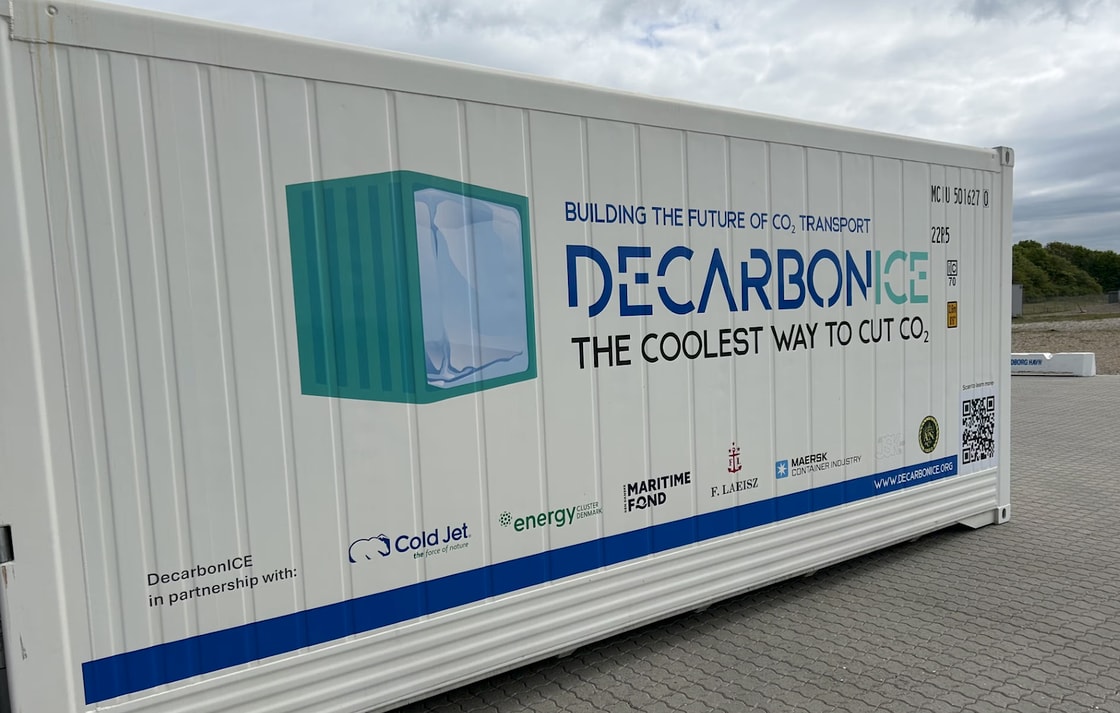
A project which aims to transport carbon dioxide as dry ice in shipping containers has been launched by Energy Cluster Denmark, an innovation network for the energy sector.
Researchers hope the practically minded solution could be suitable for large-scale global deployment. A single 20-foot container could hold up to 21 tonnes of dry ice.
Europe will need to handle billions of tonnes of CO2 in the coming decades to meet climate targets but existing transport is expensive, complex and insufficient especially for small and medium-sized emitters. Transport is essential when CO2 is to be transported to storage sites, for example in the North Sea or for use in power-to-x processes.
Henrik O. Madsen, CEO of Decarbonice, partner in the CO2.0 Infrastructure project said transporting CO₂ in liquid form requires specially built tank vessels, cryogenic ISO tanks, or pressurised trailers.
“These are available only in limited numbers, are extremely expensive to produce, and involve significant safety risks. That is why we need to look at new methods and that is exactly what we are doing in the CO2 Infrastructure innovation project,” he said.
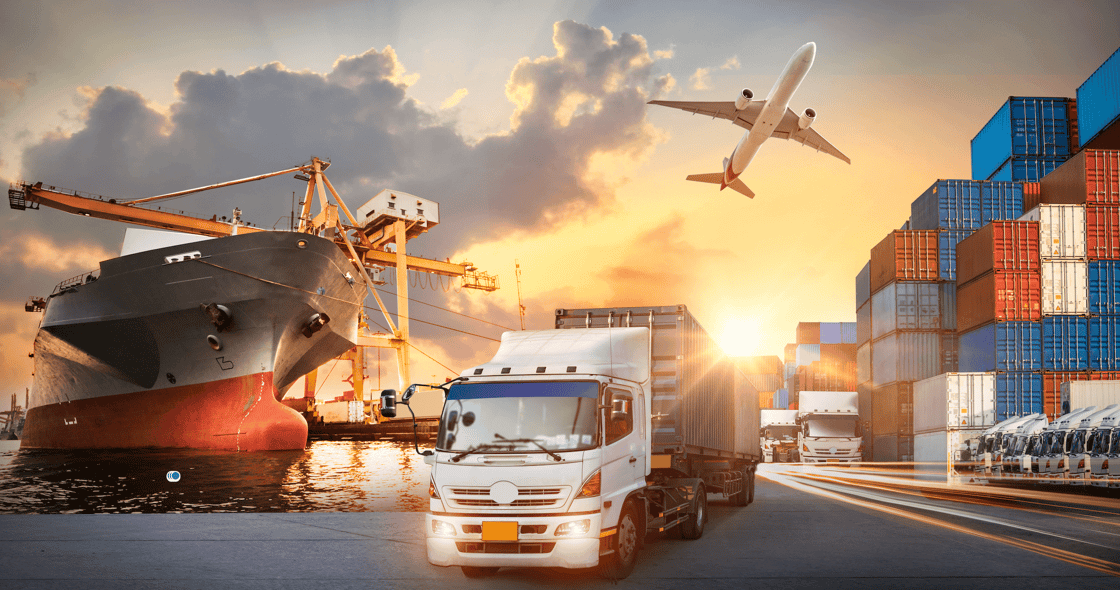
The technology converts CO2 into dry ice which can be filled into heavily insulated, patented containers. Transport takes place at atmospheric pressure with no gas or liquid phase and without the need for dedicated infrastructure. This means that the entire existing global container fleet can be used, including trucks, trains and containerships.
This could reduce investment costs for transport and cut operating costs by up to 30%.
However transporting CO2 as dry ice involves significant logistical, safety, and economic challenges due to its extreme cold temperature, the process of sublimation (since dry ice doesn’t melt), and the hazards of the resulting gas. Even in insulated containers, it sublimates at a rate of roughly 5% to 10% per day.
Dennis Jul Pedersen, CEO of Port Esbjerg, said the results of the project will be valuable for the entire CO2 value chain.
“The solution from the project will have a major impact – also for us as a port,” he said. “Container-based transport allows CO2 to be shipped across Europe via the existing logistics network. At the same time, we are establishing CO2 terminals here and at other ports for shipment to offshore storage. Overall this strengthens both our competitiveness and the value chain, while delivering a positive climate effect.”