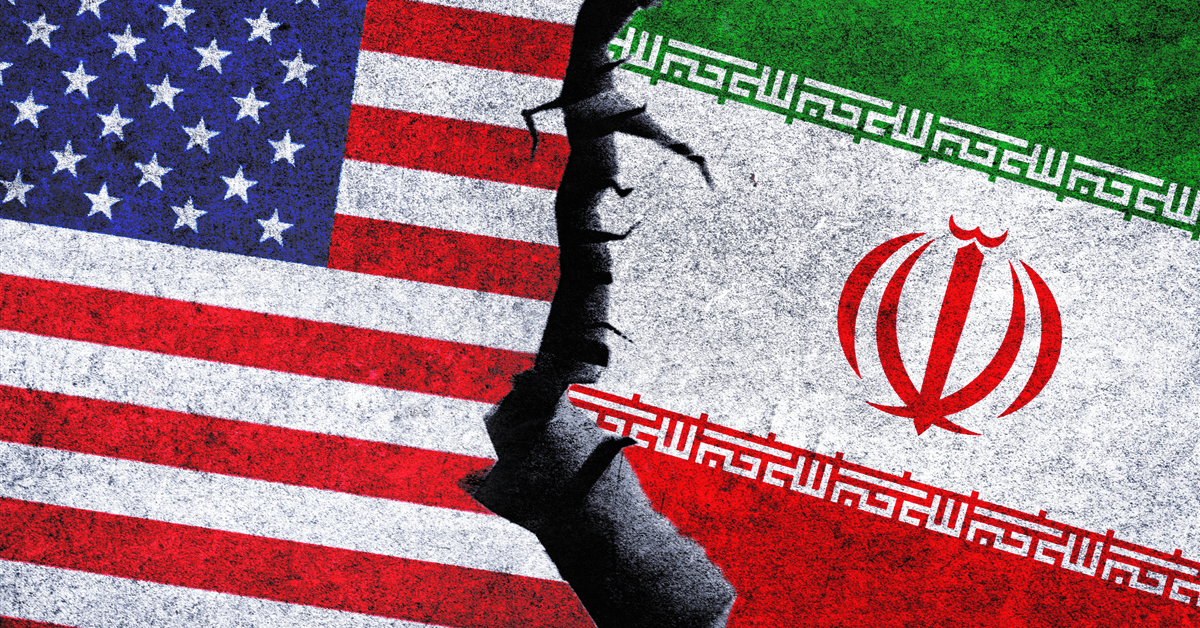
What had been widening cracks in Western backing for the U.S. war against Iran are starting to look more like a strategic fissure, with German Chancellor Friedrich Merz delivering an extraordinary public warning that Washington risks sinking deeper into another Middle East quagmire as Tehran appears to be gaining leverage and the economic fallout spreads across Europe.
In one of the bluntest criticisms yet from a major U.S. ally, Merz said Iran had proven “clearly stronger than one thought,” while warning the United States was being “humiliated” by Tehran’s leadership and could face the kind of prolonged entanglement that defined Iraq and Afghanistan. Coming from the leader of Europe’s largest economy, the remarks suggest concern that the war is no longer confined to private allied unease.
Coming from the leader of Europe’s largest economy, the significance is not simply the criticism itself. Washington has leaned heavily on allied cohesion as it tries to sustain military and economic pressure on Iran, yet Merz’s intervention points to growing discomfort inside Europe over both the strategic direction of the war and its economic costs.
Germany has already warned that the conflict is weighing on growth, while disruptions linked to the Strait of Hormuz continue to feed volatility across oil, shipping, and LNG markets.
A broader shift is already underway in Europe. Berlin and Paris have intensified nuclear deterrence coordination as the war sharpens security concerns, while Germany has signaled it could contribute minesweepers to protect navigation through Hormuz once hostilities ease. With roughly a fifth of global oil trade moving through the strait, those discussions intersect directly with energy security.
Merz’s warning comes amid significant economic fallout from the war.
Germany’s GfK consumer-climate index plunged to minus 33.3 for May, the sharpest monthly deterioration since the 2022 energy shock after Russia’s invasion of Ukraine, as surging energy costs and war uncertainty hit income expectations. Business sentiment has also fallen to its weakest level since 2020.
Berlin this month moved to curb fuel price spikes with emergency measures limiting how often stations can raise gasoline and diesel prices, while tightening antitrust scrutiny of suppliers as pump prices climbed above €2 per liter. At the same time, renewed uncertainty around Druzhba flows and Russia’s halt to Kazakh crude deliveries to Germany have revived concerns over Europe’s supply vulnerability just as the Iran war threatens another external energy shock.
By Charles Kennedy for Oilprice.com
More Top Reads From Oilprice.com
- China’s Cleantech Machine Hits Top Gear as Oil Markets Crumble
- Hormuz Disruptions Drive Crude Higher as U.S.-Iran Diplomacy Stalls
- LNG Carrier Deliveries Set to Hit 100 This Year, Up 27% From 2025