Pipeline networks and nuclear startups. Texas landowners and fuel-cell makers.
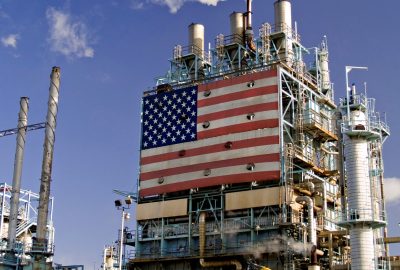
In one brutal blow, DeepSeek has revealed just how many energy-related businesses in the US have been banking on an artificial intelligence boom — and the surge in power demand it was supposed to bring.
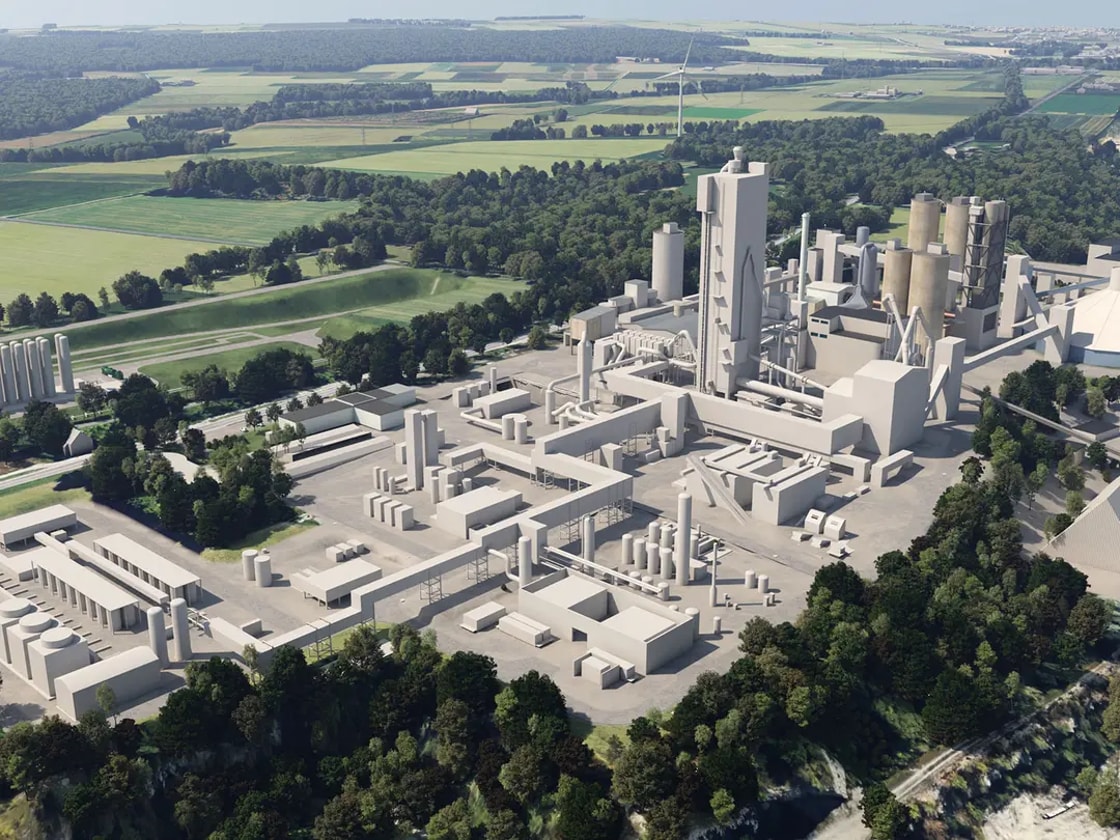
For the past year, their growth expectations and share prices were boosted by the belief that AI would require an unprecedented wave of data center construction, with some centers needing as much electricity as entire cities. Utilities and power plant operators benefited, too, but the effect went far wider than such obvious industries, touching an astonishing array of companies.
That became clear the moment China’s DeepSeek unveiled a chatbot that could rival the best American AI programs while using just a fraction of the electricity, perhaps as little as 10%. DeepSeek’s announcement hammered the shares of uranium producers and natural gas pipeline operators alike. Companies that supply power plant equipment and data center cooling systems suffered as well in Monday’s big selloff.
“The share price drop yesterday demonstrated that many energy infrastructure companies got carried away in the momentum of the AI story last year,” said Talon Custer, an analyst for Bloomberg Intelligence.
DeepSeek’s big reveal came less than a week after President Donald Trump announced the $100 million Stargate joint venture with SoftBank Group Corp., OpenAI, and Oracle Corp. to fund artificial intelligence infrastructure, including US data centers.
For a sense of how far AI-fueled enthusiasm has reached, look to the West Texas oil patch.
LandBridge Co., which owns about 272,000 acres in the Permian Basin, more than tripled in value after its initial public offering in June. The company wants to generate business from land that can support gas-fired power plants and new “digital infrastructure opportunities, such as data centers” that would use the electricity, Chief Financial Officer Scott McNeely told analysts in November. The company’s stock dropped 17% Monday.
Even oil major Chevron Corp. couldn’t pass up the opportunity presented by AI. On Tuesday, it announced a partnership with GE Vernova Inc. and investor Engine No. 1 to develop natural gas-fired power plants next to data centers, aiming to tap into AI’s surging electricity demand.
US pipeline operators had been counting on new data centers to boost demand for natural gas. Growth forecasts ranged from 2 billion to 10 billion cubic feet per day, according to Bloomberg Intelligence. cited data centers in its recent, bullish growth forecasts, and saw its stock tumble 9% Monday.
Investors had also taken interest in Century Aluminum Co.’s idled smelter in Hawesville, Kentucky because the mill’s more than 500 megawatt power capacity made it an attractive asset to convert into a data center. The company’s shares dropped 15% Monday for its biggest decline in more than 2 years amid speculation the smelter will be far less valuable if future AI data centers need less energy.
Perhaps no segment of the energy industry benefited from the expected data center boom as visibly as nuclear power. Left for dead a decade ago, with older plants closing across the country, atomic power has seen a surge in interest and investments in the last year, as owners revive shuttered plants and tech companies seek contracts for the electricity. Startups promising smaller, easier-to-build reactors are raising money as well.
But the largest US nuclear plant operator, Constellation Energy Corp., lost a fifth of its market value Monday. The selloff even extended to producers of the uranium that fuels reactors. Uranium names were among the worst performers in the S&P/TSX Composite Index Monday, with Cameco Corp. leading the losses, falling as much as 13% Monday morning.
The basic nuclear thesis still holds, in part because power demand is going to climb from homes and factories that are increasingly shifting to electricity, said Bloomberg Intelligence utilities analyst Nikki Hsu.
“Demand is definitely going to rise, but by how much, we don’t know,” she said. “Nobody knows exactly what AI demand will be.”
DeepSeek’s efficiency could even lead to more widespread use of AI. Carlos Torres Diaz, head of power markets research for Rystad Energy, said that if data centers become more efficient, they may end up simply processing more data — making it difficult to model their future energy use.
Rob Thummel, a senior portfolio manager at Tortoise Capital, acknowledged the uncertainty but said his firm remains bullish on AI boosting natural gas. It’s possible, he said, that natural gas could steal some of growth from nuclear power developers, since reactors typically take longer to build and are far more expensive than gas plants. “We still think natural gas will be a winner here, primarily because it is the lowest cost from a reliability perspective,” Thummel said.
— With assistance from David Wethe, Elizabeth Elkin, Stephanie Hughes, Joe Ryan, and Mark Chediak
Share This:
More News Articles