The United Arab Emirates is leaving OPEC and OPEC+, effective May 1, the country’s state news agency WAM confirmed Tuesday, ending nearly six decades of membership and stripping the cartel of its third-largest producer in one of the most consequential exits in OPEC’s history.
The announcement landed in the middle of an already fragile market.
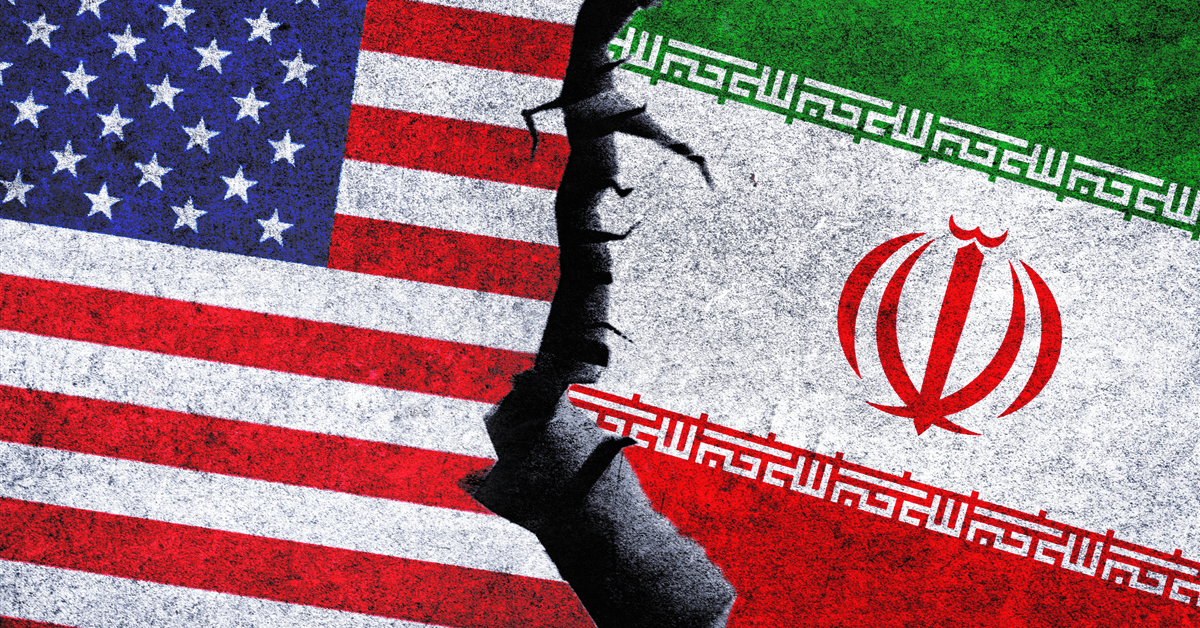
The Iran War is in its ninth week, the Strait of Hormuz remains effectively shut, and crude has been trading well above $110.
Set OilPrice.com as a preferred source in Google .
For Abu Dhabi, the move has been a long time coming. The UAE joined OPEC in 1967, but tension with Saudi Arabia over production quotas has been building for years.
Under the OPEC+ deal, the country has been held to roughly 3 million barrels per day while sitting on capacity above 4 million. ADNOC has been pushing toward 5 million barrels per day by 2027, and that target is hard to square with quotas built around someone else’s view of the market.
The war in Yemen broke whatever was left of diplomatic patience.
Saudi forces intercepted what they called an unauthorized UAE-linked weapons shipment headed for southern Yemen earlier this year, then hit the port of Mukalla with airstrikes. Abu Dhabi denied arming separatists. The relationship between the two Gulf powers has not been the same since.
UAE Energy Minister Suhail al-Mazrouei has been telegraphing the direction of travel for a while. “Oil, no matter how much we defend it, it’s in decline mode,” he said in late 2022. “To assume oil is going to be there forever is wishful thinking.”
Abu Dhabi has been positioning itself as a peer to OECD economies rather than another producer in the cartel, with a $100 billion clean energy partnership signed with Washington and a national net-zero pledge for 2050. Staying inside OPEC was getting harder to justify.
So what does the exit actually mean for oil? In the immediate term, less than the headline suggests.
Leaving OPEC unlocks UAE production capacity on paper, but most of it is currently shut in due to the Hormuz crisis. The EIA estimates Gulf producers have collectively shut in roughly 9.1 million barrels per day in April. The UAE can’t pump what it can’t ship.
The longer-term implications are the bigger story. Qatar left OPEC in 2019. Ecuador shortly after that. Indonesia suspended its membership in 2016. And Angola bailed in 2023….
Now, the cartel loses a founding-era member and its third-largest producer in the middle of a war, while Saudi Arabia and Russia struggle to hold the rest of the group together.
The Baker Institute warned years ago that a UAE departure would be “the most high-profile departure from the group to date, overshadowing Qatar’s 2019 exit.”
OPEC has weathered plenty of internal strife…the Iran-Iraq War, Venezuela’s collapse, and the 2020 Saudi-Russia price war.
Defections from founding members are a different category of problem. Whether Riyadh responds with a price war, a renegotiation, or a quiet shrug is the question that matters next, and the next OPEC+ meeting is going to be one to watch.
By Michael Kern for Oilprice.com
More Top Reads From Oilprice.com
- Brent Tops $111 as Analysts Raise Forecasts on Hormuz Stalemate
- Eni and Repsol Bet Big on Post-Maduro Venezuela
- Iranian Tankers Pile Up Outside Hormuz as U.S. Blockade Tightens