By
12 min ago 2 min read
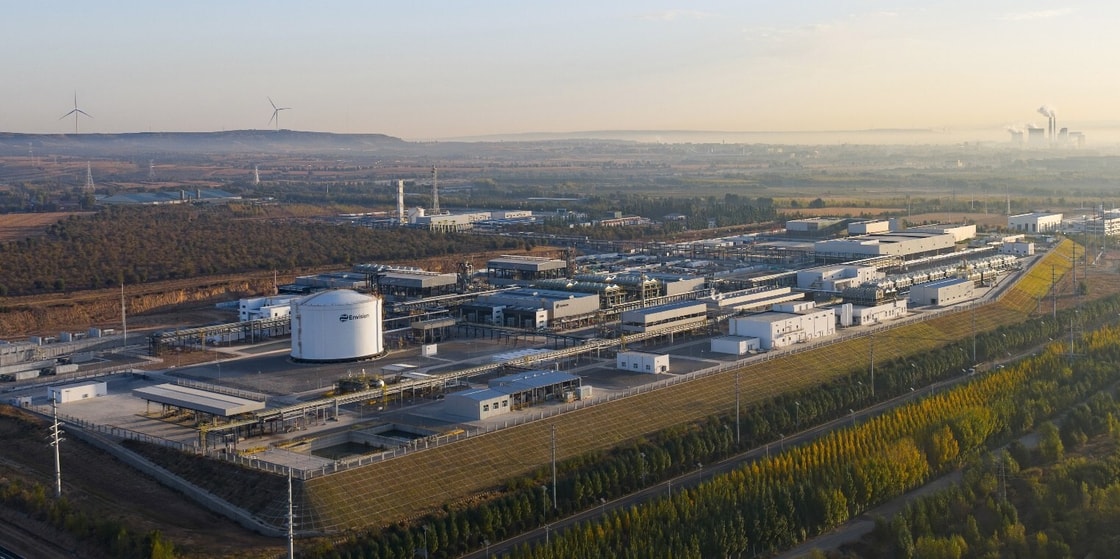
Chinese green tech firm Envision Energy is using a book-and-claim system to sell green hydrogen-based ammonia from its 500MW plant in Chifeng.
The company said it was participating in the pilot Ammonia Energy Association’s (AEA) Ammonia Certification System, which provides certification for the international trade of low-carbon ammonia.
Envision revealed it was using the scheme’s book-and-claim route to overcome “logistical challenges” of long-distance physical delivery.
Book-and-claim systems let a buyer pay for production without physically receiving the exact molecules. Instead, they receive a certificate or “claim” proving their purchase contributed to sustainable production.
These systems are already used in renewable energy and sustainable fuel production. However, Envision claimed it was the first application for ammonia.
Envision completed its first commercial delivery of green ammonia produced at the plant to the Port of Ulsan in South Korea in March. Lotte Fine Chemical of the ammonia to fuel an ammonia-powered vessel.
Frank Yu, Senior Vice-President of Envision, said the AEA scheme allowed its customers to “confidently” decarbonise “regardless of their geographical proximity to our production hubs.”
AEA plans to launch its under a partnership with non-profit methane regulation organisation MiQ, after starting the pilot scheme in late 2025.
The pilot scheme has covered three chain of custody models: segregated, which ensures certified low-carbon ammonia is kept separate from non-certified; mass balanced, where low-carbon ammonia can be mixed with conventional ammonia; and book-and-claim.
Third-party experts say certification and registries are critical to enable trade in green ammonia, but current systems still face gaps in transparency and comparability – raising questions about how reliably book-and-claim models reflect real-world emissions.
Beyond ammonia, analysts have warned that certificates alone may not fully capture real emissions or allow fair comparisons.
However, with long-distance clean hydrogen trade still in its infancy, industry players suggest these will support production and use while avoiding logistical constraints in the early ramp-up phase.