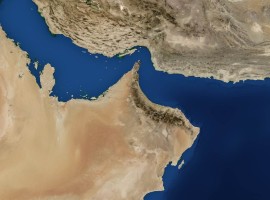
The Strait of Hormuz blockade has removed roughly 9 million barrels per day of crude supply from the global market, and replacement barrels are not keeping pace, according to a new report by Vortexa.
U.S. Gulf Coast crude oil exports have reached record highs, although this has been in large part supported by releases from the Strategic Petroleum Reserve. Additional volumes are moving through alternative routes, including pipelines via Yanbu, Fujairah, and Ceyhan, which add about 3.6 million bpd back into the system.
But it isn’t enough.
Global crude imports are down by roughly 10 million bpd, according to Vortexa, with Asian buyers absorbing the largest share of the shortfall. That gap is only partially offset by rising Atlantic Basin shipments.
Atlantic Basin to Asia flows are now running at about 7 million bpd. That covers roughly 30% of the lost Middle East Gulf supply. The rest is showing up in inventory draws.
Onshore crude inventories outside China have fallen by 49 million barrels over the past four weeks. That is a rapid drawdown by any standard, and it reflects how little slack is left in the system.
Crude at sea has already dropped back to seasonal levels, removing what had been a key buffer in the system.
Onshore inventories are taking the strain. Stocks outside China have fallen by 49 million barrels in four weeks.
Atlantic Basin shipments to Asia are running near 7 million bpd. Even at that level, the flows aren’t filling the hole left by Hormuz. The missing barrels are coming out of storage, and the pace of those draws is picking up.
By Julianne Geiger for Oilprice.com
More Top Reads From Oilprice.com
- EU Warns Energy Crisis From Iran War Could Last Years
- Barclays Sees UAE Oil Supply Growth Accelerating Post-OPEC
- Phillips 66 Beats Q1 Estimates by $0.88 Per Share as Refining Margins Surge