A system that converts biogas to green hydrogen could halve costs compared with traditional production methods while increasing yield by 50% in contrast to biomethane upgrading.
Speaking on a gasworld webinar, Bjørgulf Eidesen, CEO of Norway-based cleantech firm Arda Energy (Arda), spelled out a different value proposition with its technology that extracts “nearly all” carbon dioxide (CO2) from raw biogas.
As a tech breakthrough, this looks especially important given the scale of untapped potential in biogas. Global biogas resources could meet up to 20% of gas demand while lowering emissions, according to the International Energy Agency.
“If you apply our technology … you actually extract, more or less, all the CO2 from the biogas,” explained Eidesen.
Arda achieves this through a reforming process (similar to autothermal or steam reforming) that turns biogas into hydrogen. To purify the gas, Arda has Hydrogen Mem-Tech, using membrane separation technology to extract high-purity hydrogen directly from the syngas stream.
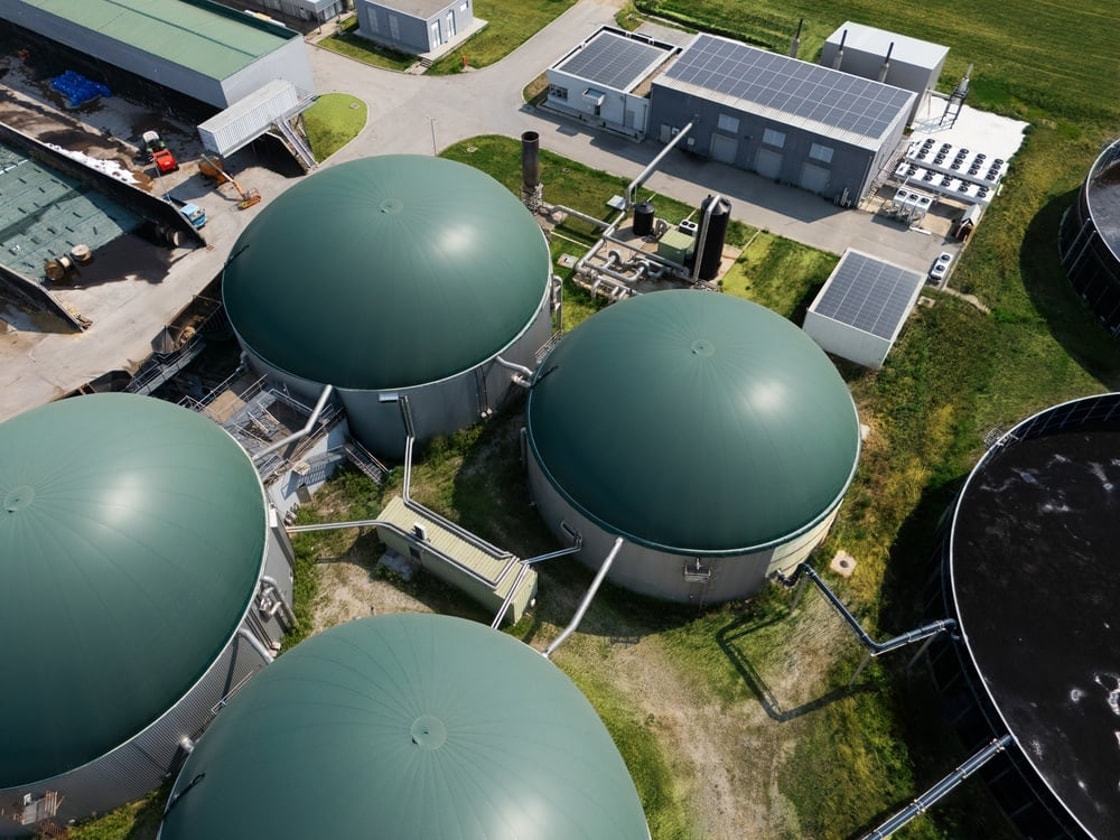
The systems are designed for decentralised and scalable energy production and can act as a “bolt-on” solution next to biogas plants or gas grids.
Its smaller system produces up to half a tonne of hydrogen per day while the larger one can produce up to 10 tonnes per day.
This could prove to be an attractive alternative to traditional biomethane upgrading routes, especially given the cost claims.
“The levelised cost of this hydrogen – for most cases – ends up between three to four euros per kilo,” said Eidesen. “And this is around 50% of the levelised cost which we get from electrolysis.”
According to Eidesen, the co-production of CO2 also strengthens the company’s business case, especially with an increasing demand for biogenic CO2.

“There is still quite a decent levelised cost of hydrogen even without the CO2, but with it you get a very, very compelling case,” he said.
And with increasing demand also comes a decreasing price. Eidesen said that as the CO2 prices increase, the levelised cost of hydrogen decreases.
When asked why developers should choose this route over biomethane upgrading, he said the resulting biogenic hydrogen was cost-competitive with conventional options and could help avoid the high costs that have led to project cancellations.
“For the last three or four years, [we have seen] that a lot of green hydrogen projects have been cancelled due to high costs,” noted Eidesen.
Over 50 high-profile clean hydrogen projects were publicly cancelled or stalled in the 18 months leading up to October 2025 and the outlook remains challenging due to cost in particular.
Analysts for financial services giant ING predict that low-carbon hydrogen projects will remain mostly stuck in the pilot phase throughout 2026, with China likely to lead the way for global adoption.
Against this backdrop, Eidesen argued biogas-based hydrogen production could help unlock stalled projects.
“We can be one key resource for hydrogen production in Europe and [we can make] it a viable option where you can actually grow a substantial business.
“[Our system] can turn the tide and make a new start for green hydrogen,” said Eidesen.
Arda Energy is developing modular systems designed to integrate with existing biogas plants, with a focus on decentralised hydrogen production. The company is currently advancing its technology towards commercial deployment in Europe.