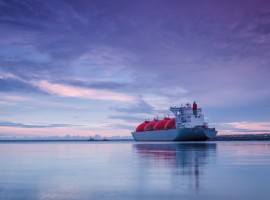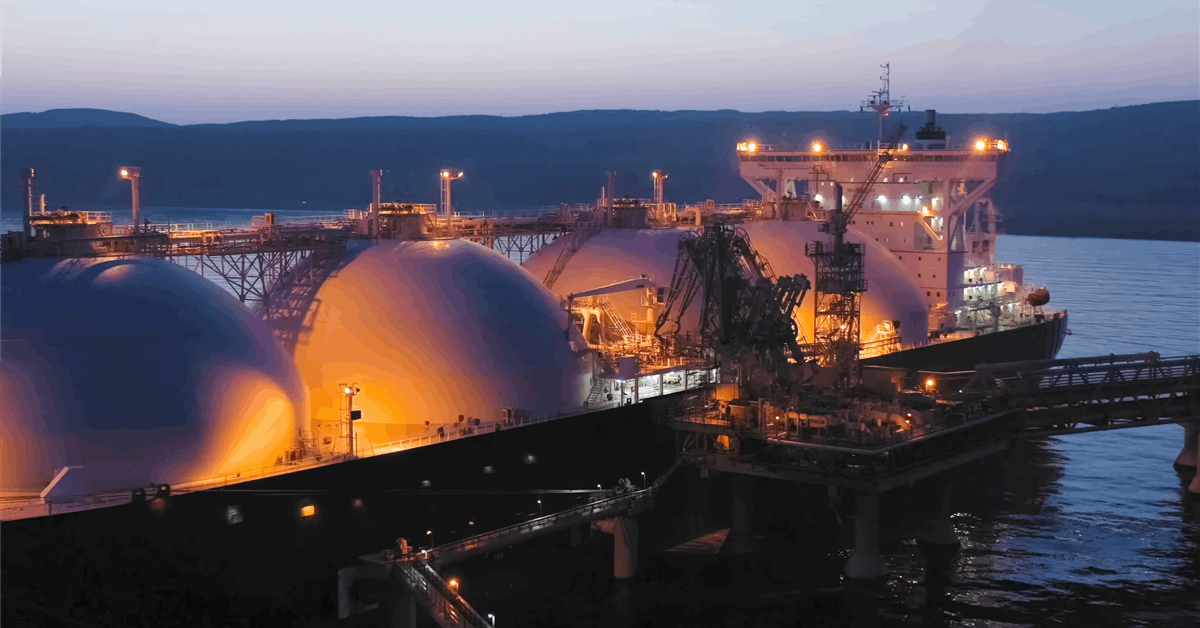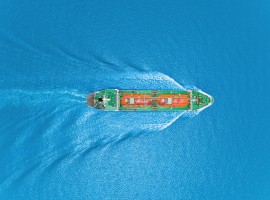
A Russian tanker carrying crude from Sakhalin Island is set to arrive in Japan today in the latest sign energy-strapped importers are intent on securing any supply they can find, even from sanctioned suppliers.
In fairness, the Sakhalin-2 project has been exempted from sanctions precisely because of the importance of this source of crude for Japan, which also has participation in the management of the project. Said participation is made up of Mitsui and Mitsubishi, with stakes of 12.5% and 10%, respectively. The operator of the project, which also produces LNG, is Gazprom.
The buyer of the Sakhalin 2 cargo is Taiyo Oil, which last year bought its first cargo of Sakhalin crude since 2023, Reuters reported earlier, noting the company was acting on a request by the Japanese government.
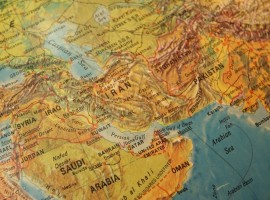
Japan has felt the shock of Middle Eastern oil and gas export disruption acutely, despite having some of the largest oil reserves in the world. To cushion the blow, the government has started subsidizing domestic fuel prices and has rushed to secure an alternative supply.
Besides Russia, Japan also approached Saudi Arabia last month for additional shipments of crude. In a phone call with Crown Prince Mohammed, Prime Minister Sanae Takaichi “expressed her appreciation for Saudi Arabia’s continued supply of crude oil to Japan via Yanbu Port even after the outbreak of the situation, and requested cooperation toward the expansion of energy supply to Japan,” per a statement from the Japanese Prime Minister’s office.
Japan, which depends on Middle Eastern oil supply for about 95% of its oil supply, began releasing oil stocks from national reserves at the end of March, as part of the IEA-coordinated record-high release of 400 million barrels of oil and fuel. Japan is releasing a total of 80 million barrels of oil stocks, including 54 million barrels of crude and 26 million barrels of oil products as part of the IEA’s 400-million-barrel release.
By Irina Slav for Oilprice.com
More Top Reads From Oilprice.com
- Oil Prices Fall as Trump Launches “Project Freedom” and OPEC+ Increases Output
- Venezuela Oil Exports Hit Seven-Year High
- Woodside Struggles to Secure Buyers for U.S. LNG as Pricing Backfires