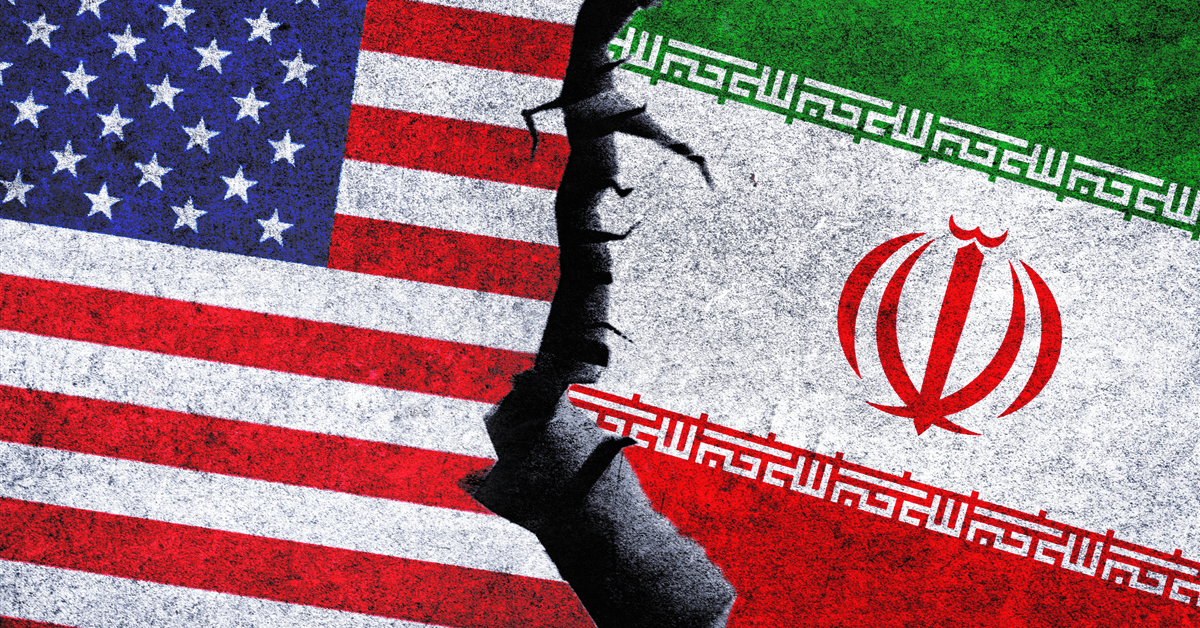
In a major escalation of trade tensions between Washington and Beijing, China’s Ministry of Commerce (MOFCOM) has formally invoked its 2021 Blocking Rules for the first time to counteract U.S. sanctions against five Chinese oil refineries. Beijing has issued a prohibition order instructing all entities operating in China to disregard and not implement U.S. sanctions placed on five targeted refiners.
The order comes weeks before a planned meeting between U.S. President Donald Trump and Xi Jinping. The U.S. Treasury has already sanctioned Chinese refiners for processing Iranian crude, and any expansion to Chinese banks would directly hit the payment system used to settle those trades. Beijing is instructing firms to ignore those sanctions and continue transactions. That creates a direct conflict. Companies that follow U.S. rules risk penalties in China, and companies that follow China’s order risk losing access to the U.S. financial system.
Beijing’s order specifically protects Hengli Petrochemical (Dalian) Refinery, one of China’s most modern private facilities, alongside four “teapot” refineries namely Shandong Jincheng Petrochemical, Hebei Xinhai Chemical, Shouguang Luqing Petrochemical and Shandong Shengxing Chemical. China’s teapots are independent refineries that account for a significant portion of China’s refining capacity. They have been crucial in buying discounted Iranian crude, helping Iran bypass U.S. maximum pressure tactics.
Set OilPrice.com as a preferred source in Google .
The U.S. Treasury Department blacklisted these firms in April, accusing them of generating billions in revenue for Iran by processing sanctioned Iranian crude oil.
Beijing says its latest move is based on the Anti-Foreign Sanctions Law and the Blocking Rules, arguing that the U.S. measures constitute improper extraterritorial application and violate international law. This move creates a legal crossfire for multinational companies and banks operating in China.
On one hand, any bank or company complying with U.S. sanctions violates Chinese law could face potential lawsuits, fines or operational restrictions in China; on the other hand, companies that obey Beijing’s order and continue doing business with the sanctioned refineries face severe secondary sanctions from the U.S., including being locked out of the U.S. dollar financial system. The ruling also allows Chinese refineries to seek compensation in Chinese courts from any entity including foreign firms and banks that complies with the U.S. restrictions.
By Alex Kimani for Oilprice.com
More Top Reads From Oilprice.com
- TTF Futures Swing From Loss to Gain After Iran Rejects Trump’s Hormuz Plan
- $125 Oil Could Tip Global Economy Into Recession
- UAE: OPEC Exit ‘Not Directed Against Anyone’