By
30 min ago 2 min read
Global advanced materials and seals manufacturer Greene Tweed has added cryogenic leak and supercritical carbon dioxide (CO2) rapid gas decompression (RGD) testing capabilities to its portfolio to meet material testing and validation demand.
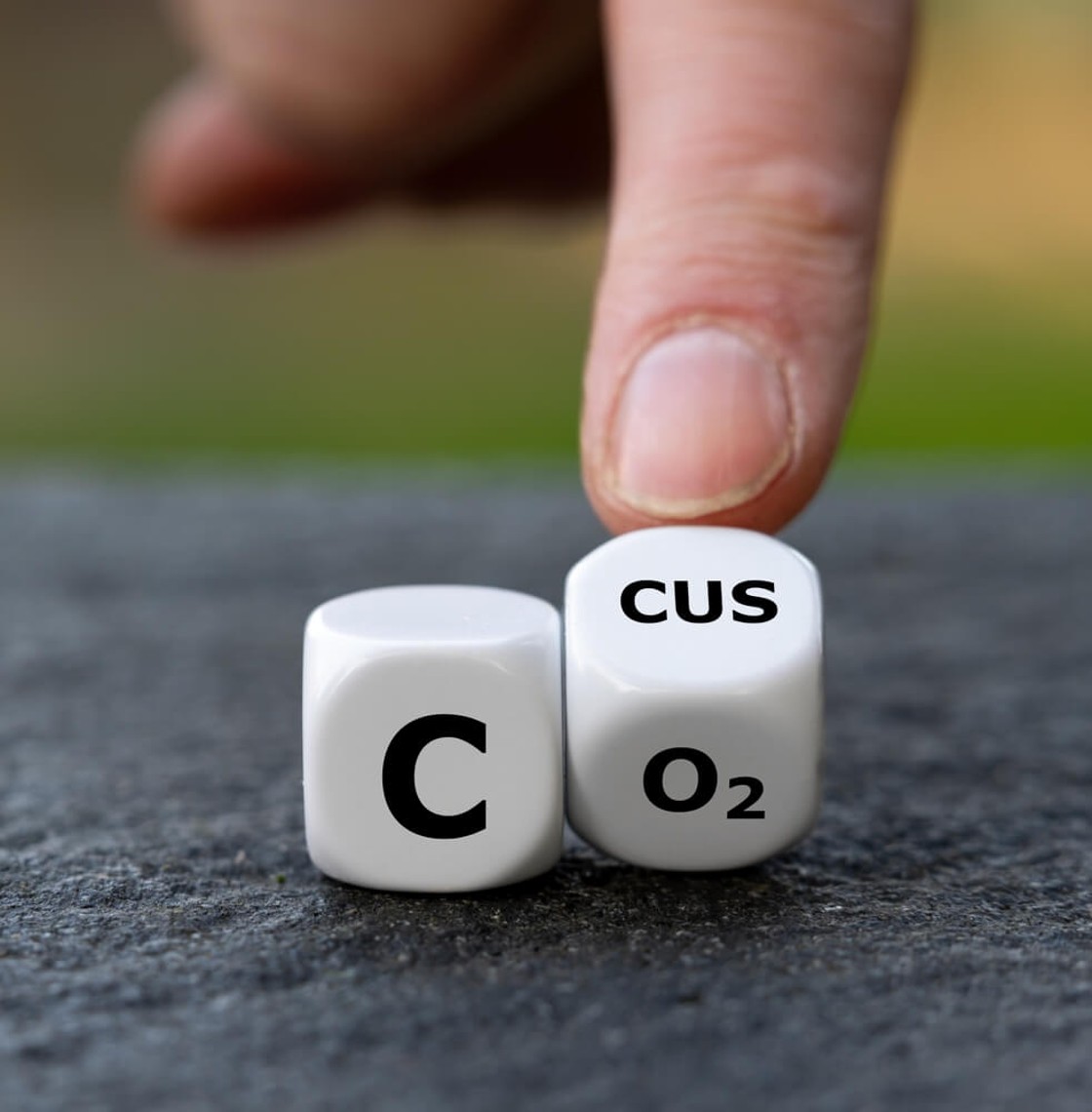
The new in-house systems aim to support sectors, including semiconductor, aerospace, and energy, while also targeting emerging opportunities in hydrogen and carbon capture, utilisation and storage (CCUS).
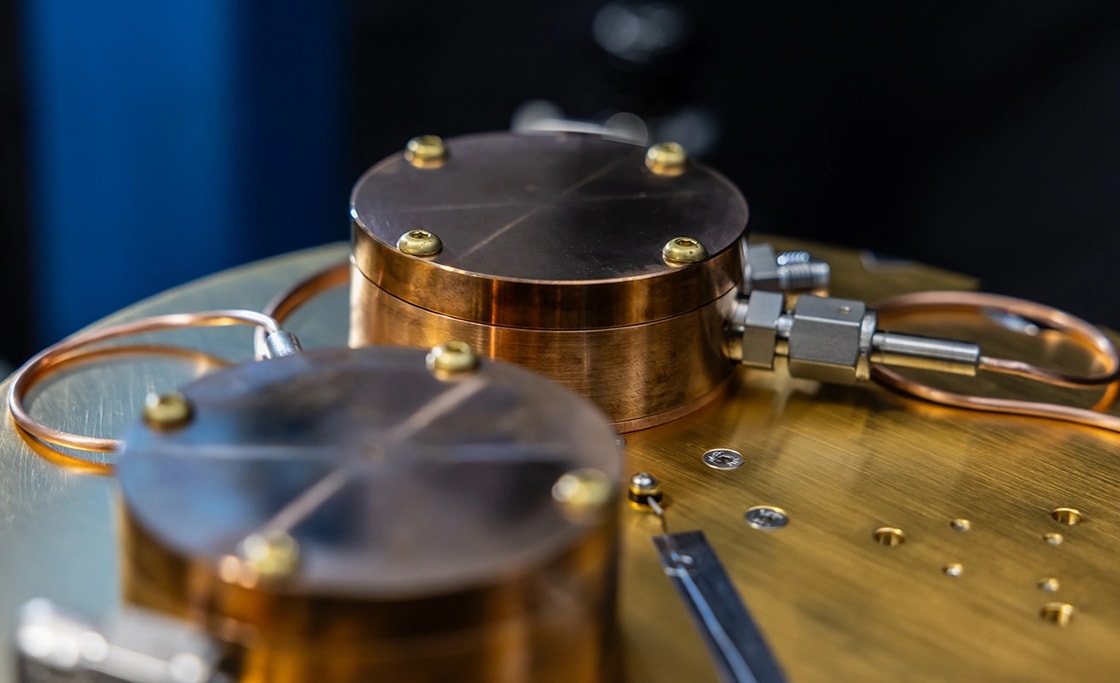
Greene Tweed’s cryogenic leak testing system extends its existing portfolio by evaluating seals at temperatures as low as -269°C (-452°F) using a high-vacuum chamber, specialised thermal shielding, and helium leak detection technology.
The new cryogenic testing system has applications in semiconductor manufacturing, aerospace systems, and emerging liquid hydrogen operations.
The company has also added supercritical CO2 RGD to its testing to support CCUS buildout.
Supercritical CO2 is carbon dioxide in a fluid state held at or above its critical temperature and critical pressure. Green Tweede’s in-house testing process evaluates materials and sealing solutions under harsh supercritical CO2 conditions.
This generates performance data on CCUS infrastructure, such as valves, pipelines, compressors, and storage vessels, and accelerates qualification timelines for existing and next-generation materials.
The company said its expanded testing portfolio will reduce technical risk, provide greater support in early-stage design and enable faster response to evolving application requirements.
Magen Buterbaugh, President and CEO, said, “These…investments strengthen our ability to tackle complex, high-stakes challenges…while accelerating the [customers’] journey from development to deployment.”